
UHF RFID Reader Antenna – Comprehensive RFID Antenna Portfolio
UHF RFID Reader Antenna
——Comprehensive RFID Antenna Portfolio
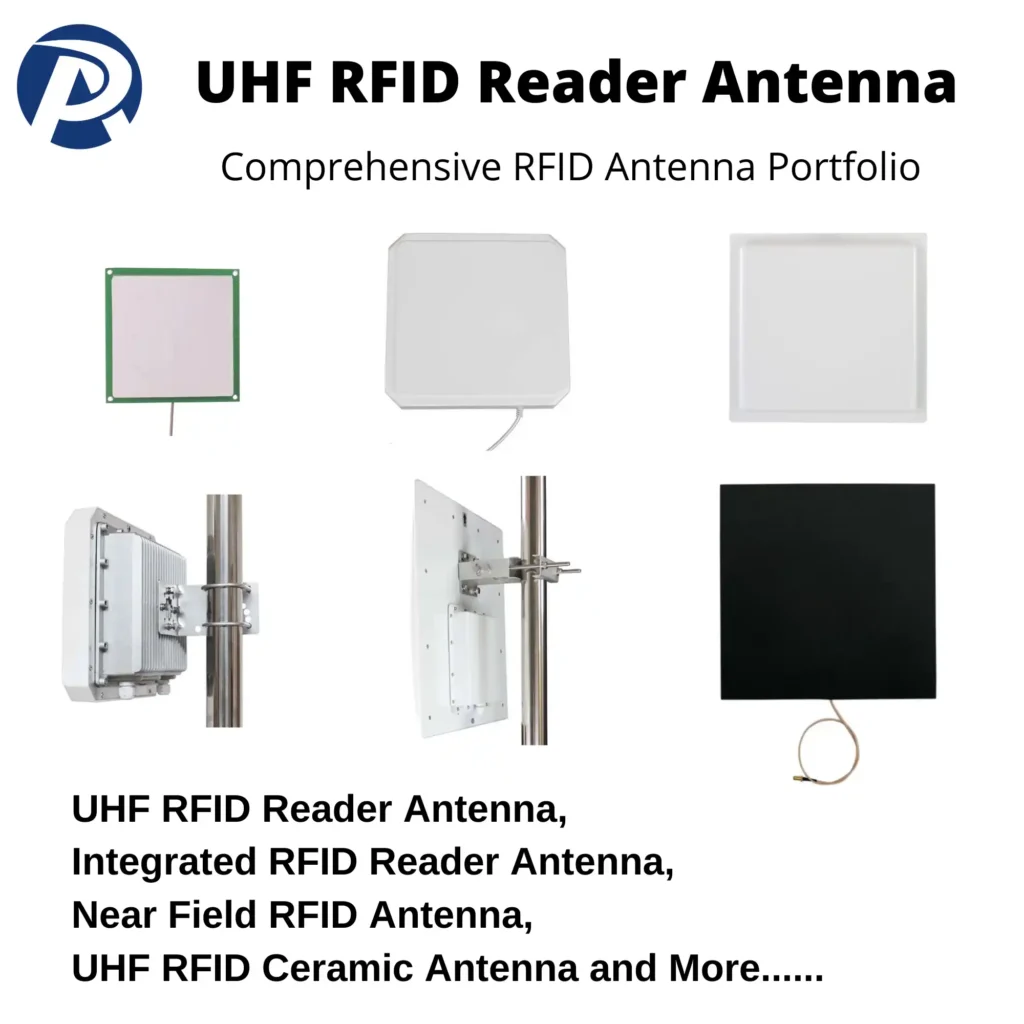
Airplux provides a complete range of UHF RFID Reader Antennas designed for FCC and ETSI frequency bands. Our portfolio includes panel antennas, integrated reader antennas, near-field antennas, and ceramic RFID antennas for various RFID systems and applications.
With stable RF performance, flexible designs, and reliable integration options, Airplux antennas support applications in logistics, retail, industrial automation, and smart identification systems.
Table of Contents
OVERVIEW:UHF RFID Reader Antennas
UHF RFID Reader Antennas are key components in RFID systems, enabling wireless communication between RFID readers and tags through radio frequency signals.
Operating in UHF frequency ranges, these antennas are designed to support different reading distances, coverage requirements, and installation environments. Depending on the application, antenna designs such as near-field antennas, panel antennas, ceramic antennas, and integrated reader antennas provide different solutions for accurate identification and reliable data collection.
Airplux offers a complete portfolio of UHF RFID Reader Antennas compatible with various RFID systems, supporting applications including logistics, retail, warehouse management, industrial automation, and smart tracking.
What Is a UHF RFID Reader Antenna?
A UHF RFID reader antenna is the component that creates the communication link between an RFID reader and RFID tags. While the reader processes data and controls the system, the antenna is responsible for transmitting RF energy and receiving tag responses. In practice, the antenna largely determines reading distance, coverage area, and overall system performance.
Is a UHF RFID Reader Antenna Different from a UHF RFID Antenna?
In short, no. In most RFID projects, the two terms refer to the same hardware. Both describe the antenna that connects to an RFID reader and communicates with RFID tags.
The difference is mainly about context. “UHF RFID antenna” is a broader industry term that covers all antenna types used in UHF RFID systems. “UHF RFID reader antenna” is more specific — it emphasizes that the antenna is part of the reader side of the system, working with a fixed or handheld reader.
For example, a circularly polarized antenna installed at a warehouse portal may be listed as a “UHF RFID antenna” in a product catalog. But a system integrator discussing the same device in a complete RFID solution will usually call it a “UHF RFID reader antenna.”
In practice, the name doesn’t change what the antenna does. What matters more is gain, polarization, beamwidth, and the environment where it will be deployed.
How UHF RFID Reader Antenna Works
A UHF RFID Reader Antenna acts as the communication bridge between RFID tags and readers by transmitting and receiving radio frequency signals. When an RFID reader sends an RF signal through the antenna, the antenna energizes nearby tags and receives the returned data signal for identification and tracking.
The antenna design, polarization, and radiation pattern directly affect reading distance, coverage area, and system performance in different RFID applications.
Data Carrier
Signal Transmission
Signal Processing
Data Management
Key Technical Parameters of UHF RFID Reader Antennas
Not all UHF RFID reader antennas behave the same way, even if they operate within the same frequency band. Reading distance, coverage area, tag orientation tolerance, and installation flexibility are all influenced by a few key antenna parameters. Understanding these specifications makes it much easier to choose the right antenna for your RFID system rather than relying on gain figures alone.
Frequency Range
Frequency determines whether the antenna can operate within the RFID regulations of a specific region. Most UHF RFID reader antennas support either FCC frequencies (902–928 MHz), ETSI frequencies (865–868 MHz), or both. Selecting the correct frequency range ensures regulatory compliance and stable tag communication.
Gain
Gain affects how far RFID signals can travel and how concentrated the reading field becomes. Higher gain antennas typically provide longer reading distances but cover a narrower area. Lower gain antennas create a wider reading zone but with reduced range. The right balance depends on how and where the antenna will be deployed.
Beamwidth
Beamwidth describes how widely RF energy spreads from the antenna. A narrow beam focuses energy into a specific zone, which is useful for portals and conveyor systems. A wider beam can cover larger areas but may also increase the chance of reading unwanted tags outside the target zone.
Polarization
Polarization determines how the antenna interacts with RFID tags at different orientations. Circularly polarized antennas are generally preferred when tag orientation is unpredictable, while linearly polarized antennas are often chosen when tags remain aligned and maximum reading distance is required.
Parameter
Frequency
gain
beamwidth
polarization
what it affects
regional compliance
read distance
coverage area
read reliability
- No single specification tells the whole story. A longer read range often comes with a narrower coverage area, while better orientation tolerance may reduce maximum performance. The best UHF RFID reader antenna is the one that matches your deployment environment and reading requirements.
Why Choose Airplux UHF RFID Reader Antennas
Airplux UHF RFID Reader Antennas are designed to provide reliable RF performance, flexible deployment options, and stable communication between RFID readers and tags. With different antenna designs and frequency options, Airplux supports various RFID applications from short-range identification to long-distance tracking systems.
Optimized RF Performance for Accurate Tag Reading:UHF RFID systems rely on stable RF communication between antennas and tags. Airplux antennas are designed with optimized radiation characteristics and consistent electrical performance to help achieve reliable tag detection and accurate data capture.
Flexible Coverage for Different Reading Requirements:Different RFID applications require different coverage areas and reading distances. Airplux provides various antenna designs including near-field, panel, and directional antennas to support short-range identification, wide-area coverage, and focused reading zones.
Circular Polarization for Reliable Tag Detection:Circular polarized UHF RFID antennas help reduce tag orientation limitations by maintaining reliable communication with tags placed in different directions. This makes them suitable for dynamic reading environments such as logistics, retail, and industrial applications.
Complete Antenna Portfolio for RFID Integration:Airplux offers a comprehensive range of UHF RFID antenna solutions, including near-field antennas, ceramic antennas, panel antennas, and integrated reader antennas to meet different system designs and installation requirements.
Designed for Industrial RFID Applications:Built with durable materials and stable mechanical structures, Airplux UHF RFID antennas are suitable for long-term deployment in warehouses, manufacturing facilities, retail systems, and automated tracking applications.
UHF RFID Reader Antenna Applications
Airplux UHF RFID Reader Antennas are widely used in applications requiring accurate identification, automated tracking, and reliable data collection. With different antenna designs and coverage characteristics, our solutions support various RFID systems across logistics, retail, industrial automation, and smart management environments.
Warehouse & Logistics:UHF RFID reader antennas enable fast and accurate tag identification in warehouse and logistics environments, supporting inventory tracking, automated sorting, and real-time asset visibility.
Retail Inventory Management:RFID reader antennas support automated inventory tracking, item identification, and stock management in retail environments, helping improve operational efficiency and inventory accuracy.
Industrial Automation:UHF RFID antennas enable stable communication between readers and tagged assets, supporting automated production processes, equipment tracking, and manufacturing management systems.
Smart Cabinet & Asset Tracking:Near-field RFID antennas provide precise reading zones for smart cabinets, tool management systems, and asset tracking applications where accurate identification within limited areas is required.
UHF RFID Antenna Portfolio
Airplux provides a comprehensive portfolio of UHF RFID antenna solutions designed for different reading distances, coverage requirements, and installation environments. Our product range includes near-field antennas, ceramic antennas, and UHF reader antennas covering FCC and ETSI frequency bands.
Each antenna model is optimized for stable RF performance and reliable tag communication, providing flexible options for RFID systems in logistics, retail, industrial automation, and smart tracking applications.
Near Field RFID Antenna
Designed for controlled reading zones and short-range identification applications, near-field RFID antennas provide accurate tag detection in compact environments.
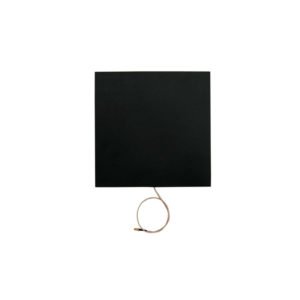
Near Field RFID Antenna – 230x230mm
Model: APRIA8002323NF / APRIA9002323NF
Frequency Range: 865-868MHz / 902-928MHz
Polarization: Circular
Gain: -15dBi
Dimensions: 230*230*6mm
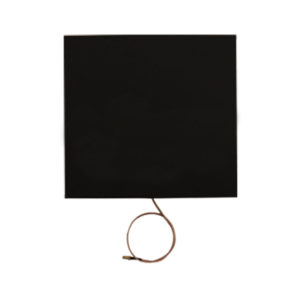
Near Field RFID Antenna – 300x300mm
Model: APRIA8003030NF / APRIA9003030NF
Frequency Range: 865-868MHz / 902-928MHz
Polarization: Circular
Gain: -10dBi
Dimensions: 300*300*6mm
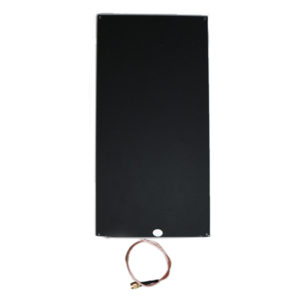
Near Field RFID Antenna – 400x200mm
Model: APRIA8004020NF / APRIA9004020NF
Frequency Range: 865-868MHz / 902-928MHz
Polarization: Circular
Gain: -6dBi
Dimensions: 400*200*6mm
UHF RFID Ceramic Antenna
Compact ceramic RFID antennas are designed for embedded RFID applications requiring space-saving designs and stable UHF performance.
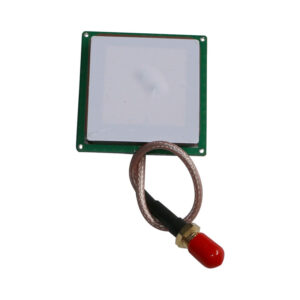
5dBi UHF RFID Ceramic Antenna
Model: APCA3540S
Frequency Range: 915MHz/866.5MHz
Polarization: Circular
Gain: 3dBi
Dimensions: 35*35*4mm
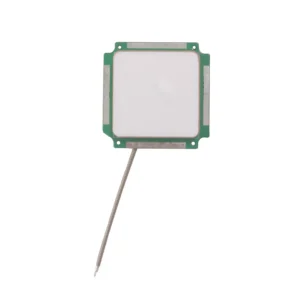
5dBi UHF RFID Ceramic Antenna
Model: APCA4050S1
Frequency Range: 915MHz/866.5MHz
Polarization: Circular
Gain: 5dBi±1
Dimensions: 40*40*5mm
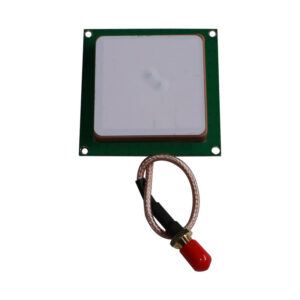
6dBi UHF RFID Ceramic Antenna
Model: APCA6070S
Frequency Range: 915MHz/866.5MHz
Polarization: Circular
Gain: 5dBi
Dimensions: 60*60*5mm
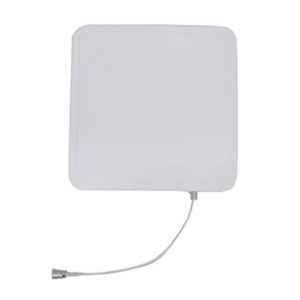
ETSI / FCC UHF RFID Reader Antenna
Designed for regional UHF RFID frequency requirements, these antennas support ETSI and FCC bands for reliable long-range RFID reader applications.
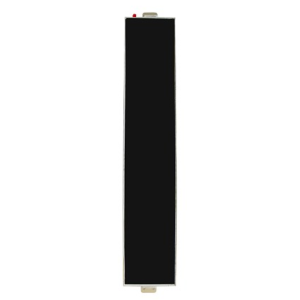
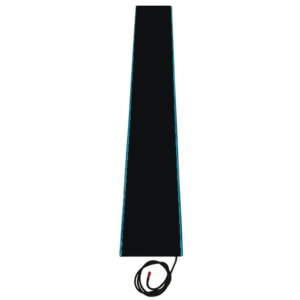
UHF 860-960MHz RFID Antenna
Airplux UHF 860-960MHz RFID Antennas are designed for reliable tag communication in global UHF RFID systems. With stable RF performance and flexible deployment options, they support various fixed RFID applications.
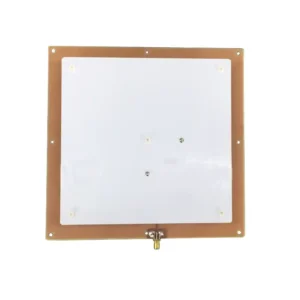
8dBi Circular RFID Gate Antenna
Model: APRIA869608CM-2
Frequency Range: 860-960MHz
Polarization: Circular
Gain: 8dBi
Dimensions: 190*190*20mm
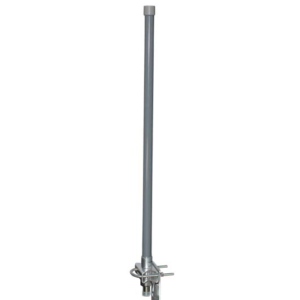
8dBi Omni UHF RFID Antenna
Model: APRIA869608VA
Frequency Range: 860-960MHz
Polarization: Vertical
Gain: 8dBi
Dimensions: Φ23*1100mm
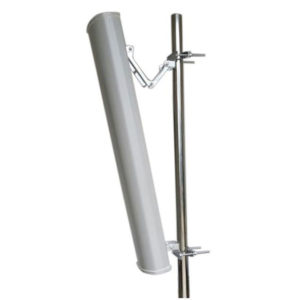
15dBi UHF RFID Panel Antenna
Model: APRIA869615VA
Frequency Range: 860-960MHz
Polarization: Vertical
Gain: 15dBi
Dimensions: 1200*280*125mm
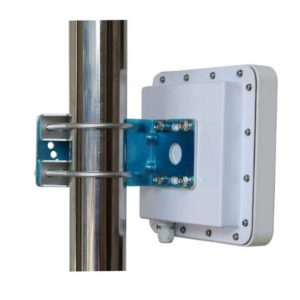
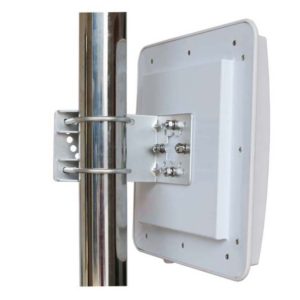
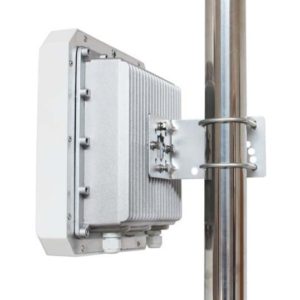
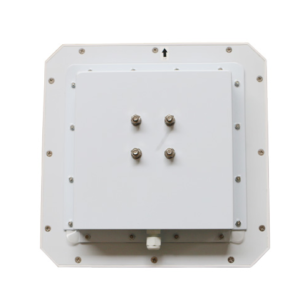
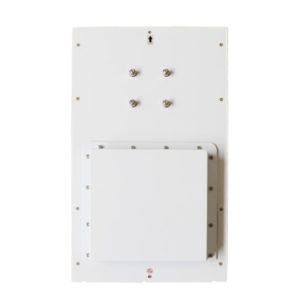
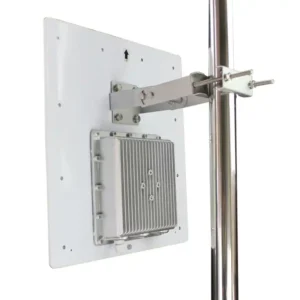
ETSI / FCC UHF Integrated RFID Reader Antenna
Integrated RFID reader antennas combine antenna and reader functions into compact solutions, simplifying installation and system integration.
FAQ – UHF RFID Reader Antenna
A UHF RFID reader antenna is a key component connected to an RFID reader for transmitting RF signals and receiving responses from RFID tags.
In an RFID system, the antenna creates a communication link between the reader and tags. Its design directly affects reading distance, coverage area, and overall system performance.
According to RFID industry development trends, reader antenna performance plays an important role in improving RFID reader capability and identification reliability.
UHF RFID reader antennas typically operate in the 860MHz–960MHz frequency range, depending on regional RFID regulations and application requirements.
Common frequency ranges include 865–868MHz in Europe and 902–928MHz in North America.
Choosing the correct frequency range ensures compatibility between the RFID reader, antenna, and operating environment.
Selecting the right UHF RFID reader antenna depends on several factors, including reading distance, coverage area, tag orientation, installation environment, and RFID system requirements.
For long-range identification, directional panel antennas are commonly used to provide focused coverage. For controlled reading areas, near-field antennas may be more suitable.
The antenna should be selected based on the application environment rather than simply choosing the highest gain specification.
Important specifications of a UHF RFID reader antenna include:
• Frequency Range
• Gain
• Polarization
• Beam Width
• VSWR
• Impedance
• Connector Type
These parameters determine antenna compatibility, RF efficiency, coverage characteristics, and reading performance in different RFID applications.
The main difference between UHF RFID panel antennas and near-field RFID antennas is their coverage characteristics.
UHF RFID panel antennas are designed for wider coverage and longer reading distances, making them suitable for applications such as warehouse management, logistics, and access control.
Near-field RFID antennas are designed for controlled reading zones and short-range identification, making them suitable for applications such as smart cabinets and asset tracking systems.
UHF RFID reader antennas are widely used in applications requiring automatic identification and reliable data collection.
Common applications include:
- Warehouse and logistics tracking
- Retail inventory management
- Industrial automation
- Asset management
- Smart cabinet systems
- Access control applications
Different applications require different antenna designs based on reading distance, coverage requirements, and installation conditions.
The reading range of a UHF RFID reader antenna depends on several factors, including antenna gain, reader power, RFID tag sensitivity, installation environment, and tag orientation. In typical deployments, UHF RFID systems can achieve reading distances from a few centimeters to more than 10 meters. Rather than focusing only on maximum range, businesses should consider the required coverage area and reading accuracy for their specific application.
Yes. Most fixed UHF RFID readers support multiple antenna ports, allowing a single reader to operate with two, four, or even more antennas. This configuration helps expand coverage areas, monitor multiple zones, and reduce hardware costs. Multi-antenna deployments are commonly used in warehouses, dock doors, smart shelves, and asset tracking systems.
The choice depends on tag orientation. Circularly polarized antennas are typically used when RFID tags may appear at different angles, making them ideal for warehouses, logistics, and retail environments. Linearly polarized antennas generally provide longer reading distances when tag orientation is consistent and controlled. Selecting the right polarization helps improve reading performance and system reliability.
Yes. Many UHF RFID reader antennas are designed for outdoor use and feature weather-resistant enclosures with IP-rated protection. Outdoor RFID antenna deployments are commonly used for vehicle identification, yard management, asset tracking, access control, and logistics operations. When selecting an outdoor antenna, factors such as waterproof rating, operating temperature, and mounting requirements should be considered.
About Airplux RFID Antenna
Solutions
Airplux Technologies specializes in RFID antenna design and manufacturing, providing reliable RFID antenna solutions for various identification and tracking applications.
With professional antenna design capabilities and manufacturing experience, Airplux offers a wide range of RFID antennas, including UHF RFID antennas, near-field RFID antennas, ceramic RFID antennas, narrow beam antennas, and integrated RFID antenna solutions.
Our RFID antennas are designed to deliver stable signal performance, accurate tag reading, and reliable operation in different RFID environments. By supporting both standard products and customized antenna solutions, Airplux helps system integrators, enterprises, and manufacturers develop efficient RFID systems for inventory management, access control, logistics tracking, asset management, and other applications.
Explore Antenna Solutions
need the right antenna solution?
From standard antenna products to customized designs,Airplux provides professional antenna solutions for
different wireless communication requirements.