
Base Station Applications and Solutions
Base Station
Applications and Solutions
Base station antennas support wireless communication networks by enabling reliable signal transmission and coverage across a wide range of deployment environments.
Common Base Station Applications and Solutions
Base station antennas adapt to diverse deployment environments. Explore how they support different applications and network requirements.
Outdoor Macro Network Coverage
- Urban & Suburban Macro Sites
- Rural Mobile Network Coverage
- Rooftop & Tower Deployment
- Regional Wireless Connectivity
Dense Urban & Street-Level Networks
- Dense Urban Coverage
- Street-Level Small Cells
- High-Traffic Network Areas
- Urban Capacity Expansion
Indoor & Public Venue Coverage
- Commercial Buildings & Offices
- Shopping Malls
- Airports & Convention Centers
- Stadiums & Event Venues
Transportation & Corridor Networks
- Railway Communication Networks
- Highway & Roadside Coverage
- Transportation Corridors
- Tunnel Communication Systems
Industrial & Enterprise Networks
- Factory & Industrial Campus Networks
- Private LTE & 5G Deployments
- Enterprise Wireless Networks
- Mining & Industrial Operations
Remote & Challenging Environments
- Remote & Isolated Sites
- Mountainous & Difficult Terrain
- Temporary Network Deployments
- Emergency Communication Sites
Why Base Station Antennas Are Used
Across So Many Industries
Base station antennas help wireless networks deliver coverage and connectivity across different environments. Antenna selection and configuration depend on network requirements, site conditions, and the intended coverage area—factors that vary significantly from one industry and deployment scenario to another.
Deployment Across Diverse Sites
Different antenna types and mounting options support installation on towers, rooftops, poles, and other suitable wireless infrastructure.
Wide-Area Coverage
Base station antennas provide wireless coverage across urban, suburban, and rural areas, with placement and antenna direction planned for the target service area.
Network Capacity
Antenna configurations help address different traffic demands, from broad coverage areas to dense urban locations with many connected users.
Multi-Technology Support
Base station antenna systems can support different frequency bands and wireless technologies, depending on network needs and equipment compatibility.
How Base Station Antennas Support Different Network Deployments
Base station antenna deployments vary significantly across different environments and site conditions. Each network scenario presents distinct requirements for coverage, capacity, and installation planning. Explore how these antennas support different network deployments and the key factors that shape antenna selection.
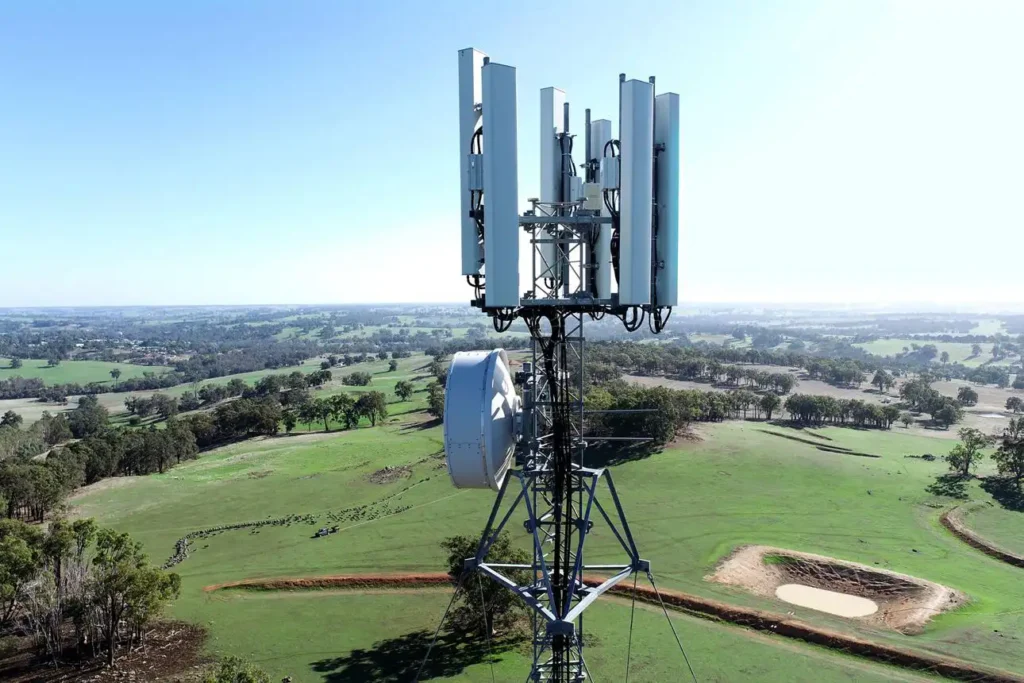
Outdoor Macro Network Coverage
Base station antennas are commonly installed on towers and rooftops to provide mobile network coverage across urban, suburban, and rural areas. Their frequency range, gain, beamwidth, and mounting height all influence how radio signals are distributed across a service area. Network planners consider these factors alongside terrain, buildings, and surrounding infrastructure to determine suitable antenna configurations. Depending on the site and coverage objectives, macro network deployments can support broad regional coverage and connections between different communities.
Key Considerations:
Coverage area | operating frequency | antenna gain | installation height.
Dense Urban & Street-Level Networks
In dense urban areas, mobile networks must serve many users across streets, commercial districts, and areas surrounded by tall buildings. Base station antennas are selected and positioned to direct coverage toward specific service areas, helping network planners address local coverage and capacity requirements. Depending on the network design, macro sites may work alongside small cells and other wireless infrastructure. Antenna configuration, placement, and orientation are considered together to manage coverage in complex urban environments.
Key Considerations:
Target coverage | antenna direction | building obstruction | MIMO configuration.
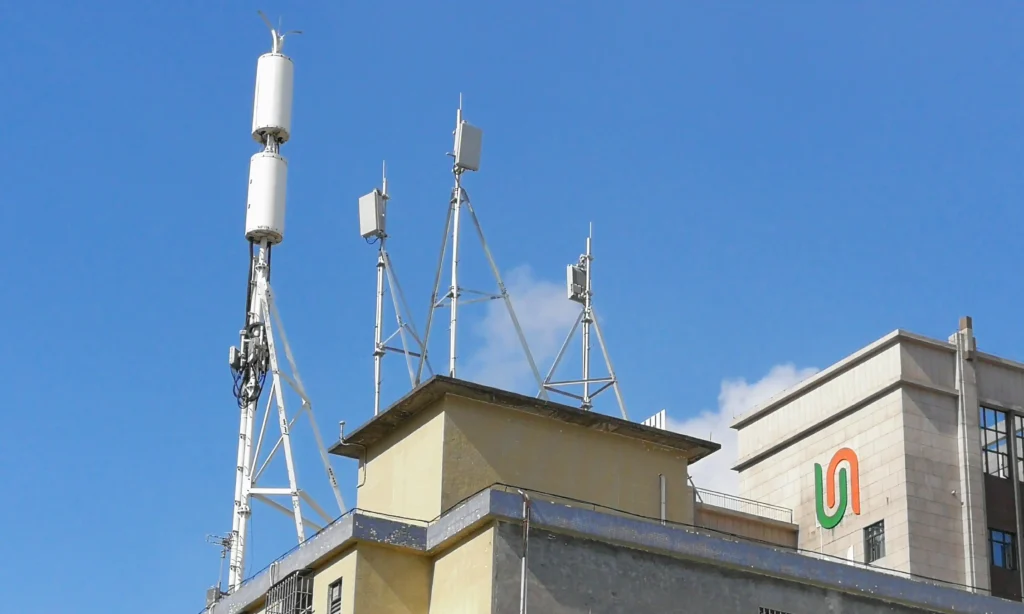
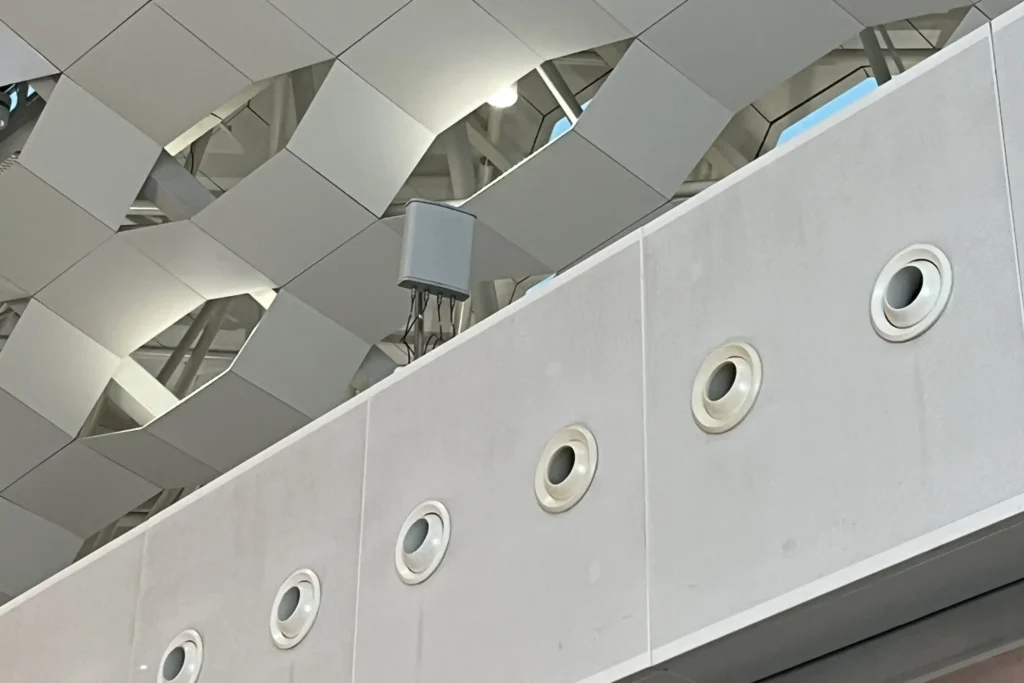
Indoor & Public Venue Coverage
Large buildings and public venues can present coverage challenges because walls, structural materials, and building layouts may weaken or obstruct outdoor radio signals. Wireless coverage inside offices, shopping malls, airports, and stadiums may therefore require dedicated indoor infrastructure. Depending on the venue, the solution can combine outdoor macro coverage, small cells, distributed antenna systems (DAS), and suitable antennas. The design depends on building size, user demand, existing infrastructure, and the frequency bands used by the network.
Key Considerations:
Indoor signal distribution | building layout | user density | compatibility with the overall coverage system
Transportation & Corridor Networks
Transportation networks require wireless communication across routes that may pass through open terrain, built-up areas, tunnels, and underground sections. Base station antennas can support coverage along railways, highways, and roadside infrastructure, with their placement and configuration adapted to the route and surrounding conditions. Tunnels and enclosed transport facilities may need additional coverage systems to address signal loss and obstructions. The final design depends on route length, terrain, network requirements, and the infrastructure available at each location.
Key Considerations:
Route continuity | coverage direction | terrain | handover planning
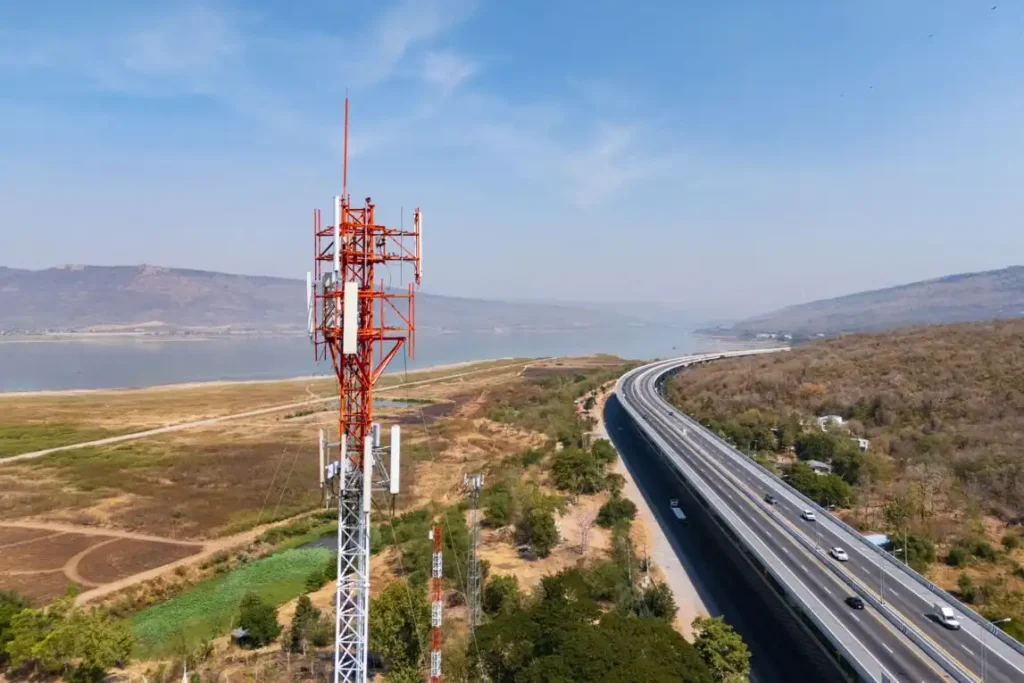
Industrial & Enterprise Networks
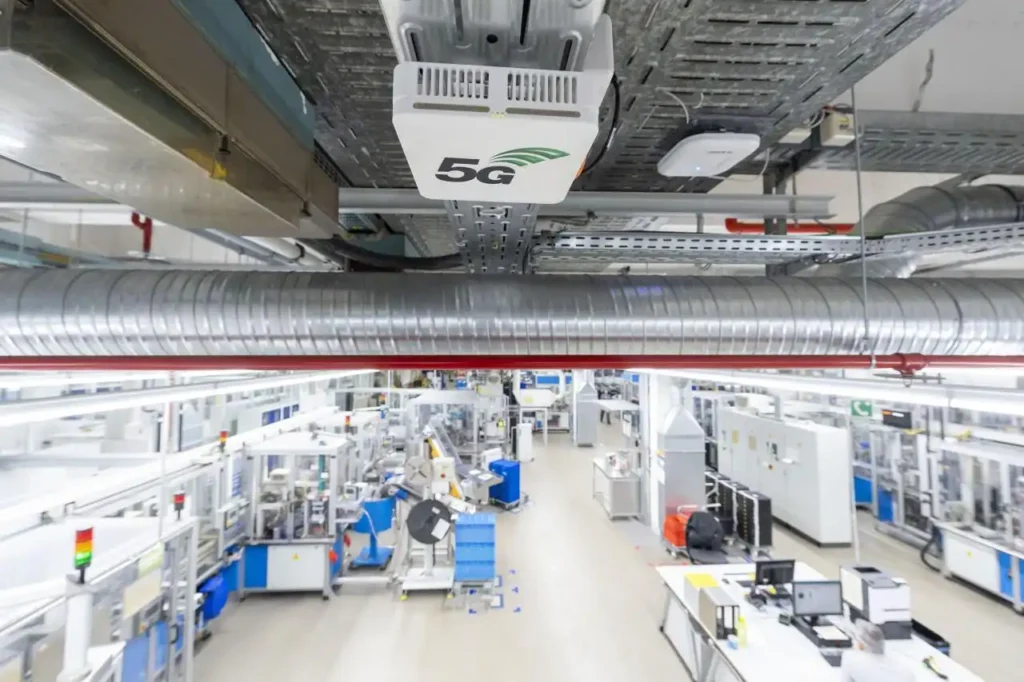
Factories, industrial campuses, mines, and enterprise sites may use private LTE or 5G networks to connect equipment, systems, and mobile devices across their operations. Base station antennas are chosen to match the network’s frequency bands, required coverage area, and installation environment. Indoor production areas and outdoor yards may need different antenna placements or configurations. Metal structures, machinery, obstacles, and changing site layouts should also be considered during network planning to help provide suitable wireless coverage throughout the facility.
Key Considerations:
Frequency compatibility | indoor and outdoor coverage | equipment placement | environmental conditions
Remote & Challenging Environments
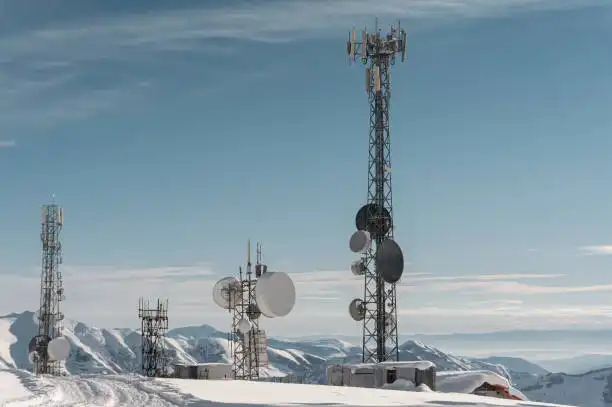
Remote sites and difficult terrain can make wireless network deployment more challenging due to long distances, limited infrastructure, and obstacles such as hills or mountains. Base station antennas are selected according to the required coverage area, frequency band, mounting options, and local environmental conditions. Network planners must also consider power availability, backhaul connections, site access, and weather exposure. For temporary deployments or emergency communication sites, the antenna configuration needs to suit the available equipment and intended coverage objectives.
Key Considerations:
Terrain and line of sight | mounting height | environmental durability | installation access
Recommended base station Antenna Products
Relevant content
Relevant content
Looking for the Right Antenna Solution?
Airplux provides customized antenna solutions for different applications and project requirements. Contact our antenna experts to discuss your next project.