
RFID Applications and Solutions
RFID Applications and Solutions
RFID helps organizations identify, track, and manage assets with greater visibility, accuracy, and efficiency across complex operations.
Common RFID Applications and Solutions
Explore how RFID technology is applied across different industriesto improve visibility, traceability, and operational efficiency.
Warehouse & Inventory
- Inventory Tracking
- Warehouse Automation
- Pallet Tracking
- Stock Visibility
Supply Chain & Logistics
- Shipment Visibility
- Container Tracking
- Cargo Monitoring
- Supply Chain Traceability
Manufacturing
- Automotive Manufacturing
- Production Tracking
- WIP Tracking
- Tool Management
Retail & Apparel
- Inventory Management
- Apparel Tracking
- Smart Shelving
- Loss Prevention
Healthcare & Medical
- Medical Asset Tracking
- Patient Identification
- Equipment Management
- Medication Tracking
Access Control & Security
- Employee Access Control
- Visitor Management
- Campus Security
- Event Entry Systems
Transportation & Mobility
- Electronic Toll Collection
- Vehicle Identification
- Fleet Management
- Parking Systems
Specialized Applications
- Jewelry Management
- Laundry Management
- Library Management
- Animal Identification
Why RFID Is Used Across
So Many Industries
Although RFID applications look very different from one industry to another, most deployments are trying to solve the same problem: identifying, locating, and tracking physical objects more efficiently than manual processes allow.
Visibility
Know where assets, products, and equipment are in real time.
Automation
Capture data automatically and reduce manual processes.
Accuracy
Minimize human error and improve the reliability of operational data.
Traceability
Track the movement and history of items throughout their lifecycle.
How RFID Is Used Across Industries
RFID looks different in every industry, but the logic is the same: attach a tag, read it with an antenna, and turn the data into action. What changes is the environment and the physical constraints. Below are eight categories, each with the typical use case and what it means for antenna selection.

Healthcare & Medical
Hospitals use RFID to track equipment, supplies, and patient-related assets, mainly because searching for missing devices wastes valuable clinical time. A common deployment combines active tags on high-value mobile equipment for room-level visibility and passive tags on lower-risk assets for inventory control and audit trails.
Medical environments also present unique RF challenges. Metal housings and liquid-filled devices can significantly reduce tag performance, which is why on-metal tags with a spacer are often required for pumps, monitors, and other metal-housed equipment. Careful antenna placement is equally important, especially around imaging equipment and large metal cabinets that may affect read reliability.
Supply Chain & Logistics
Supply chain RFID is all about knowing where goods are as they move through warehouses, distribution centers, and transportation networks. Instead of relying on manual barcode scans, RFID allows pallets, containers, and shipments to be identified automatically at key checkpoints.
The physical movement of goods often determines system design. Conveyors and sortation systems typically benefit from consistent tag orientation, while dock doors and loading portals must handle products arriving from multiple angles. Metal containers and trailers can also create challenging RF environments, so on-metal tags and antenna positions that avoid direct reflection are essential to reliable performance.


Manufacturing
Manufacturers use RFID to track materials, tools, and work-in-progress items throughout production. In automotive manufacturing, for example, RFID can verify that the correct component reaches the correct workstation while maintaining full traceability throughout the assembly process.
Production environments often require fast and highly controlled reads. Workstations typically use short-range, directional reads, while conveyor systems must balance read speed and coverage. Because factories contain large amounts of metal equipment and machinery, RFID deployments often require careful testing to maintain consistent performance.
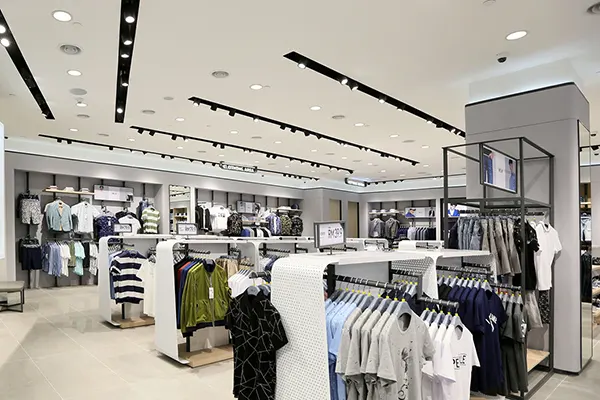
Retail & Apparel
Retailers use RFID to improve inventory accuracy, reduce stock discrepancies, and create a better shopping experience. Apparel is one of the most successful RFID applications because garments can be identified individually without requiring line-of-sight scanning.
Unlike warehouse environments, clothing items are constantly moved, folded, and displayed in different orientations. This makes reliable item identification more challenging during stock counts and replenishment activities. Soft tags sit at unpredictable angles, so circular polarization generally gives more reliable coverage than linear. Store layouts, fitting rooms, and point-of-sale areas all require tightly controlled read zones—often with low-gain near-field antennas to avoid reading the next stall while maintaining operational efficiency.
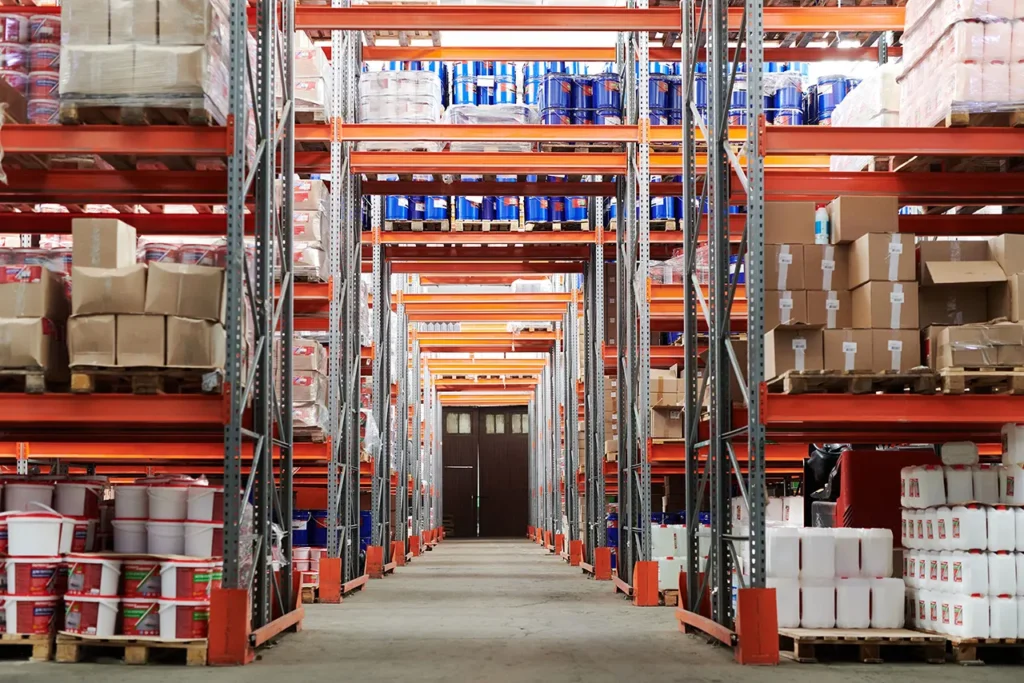
Warehouse & Inventory
Warehouses use RFID to automate the tracking of cartons, pallets, and reusable containers as they move through receiving, storage, picking, and shipping operations. By reducing manual scanning, RFID improves inventory visibility and enables faster stock verification.
One of the most common challenges in warehouse deployments is the changing physical environment. New racking systems, metal shelving, or layout modifications can affect RF coverage and create unexpected blind spots. When that happens, adjusting antenna mounting height and angle is usually more effective than swapping readers or tags. Successful projects often require on-site tuning and periodic optimization rather than relying solely on the original design drawings.
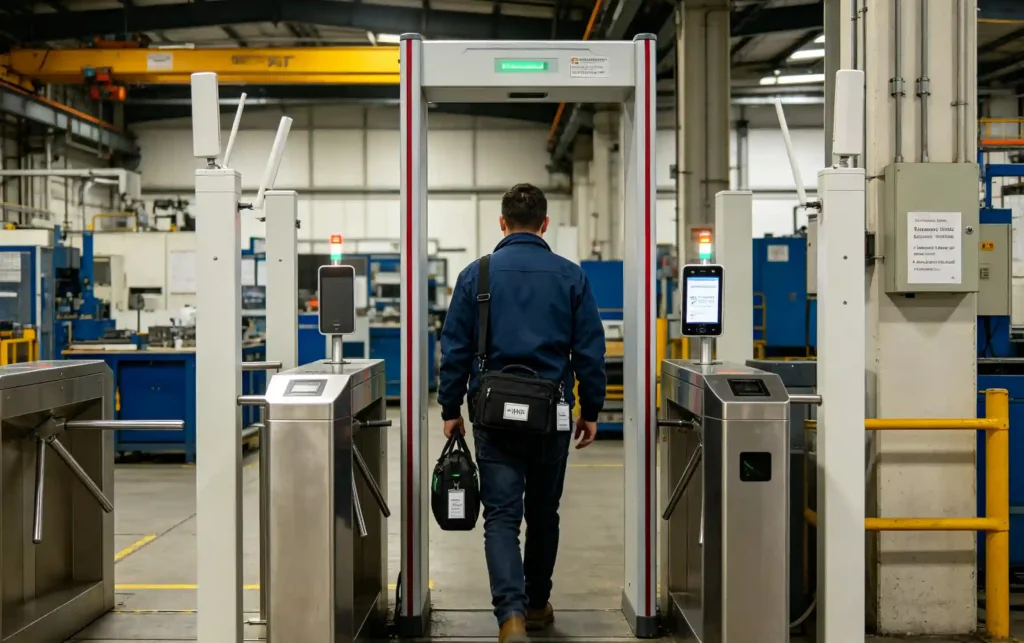
Access Control & Security
RFID is widely used for access control, personnel identification, and asset protection. From office buildings and campuses to industrial facilities, RFID credentials provide a convenient way to manage access while improving security.
The requirements vary depending on the application. Door access systems focus on secure short-range identification, typically HF (13.56 MHz), while vehicle entrances and secured perimeters often require longer read distances, usually UHF. Close-range badge readers use near-field antennas to avoid reading the person behind you, while vehicle gates use circular polarization to handle tag angle changes. In both cases, defining a precise read zone is essential to ensure that only authorized users or vehicles are identified.
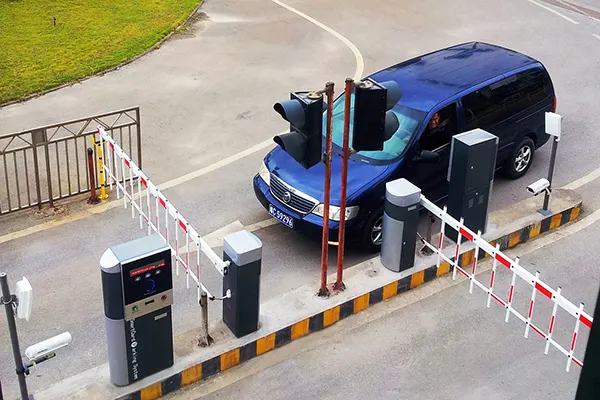
Transportation & Mobility
Transportation applications include electronic toll collection, vehicle identification, parking systems, and fleet management. RFID allows vehicles to be identified automatically while moving, reducing congestion and improving operational efficiency.
Unlike many indoor applications, transportation systems must perform reliably in changing weather conditions and across larger read distances. Vehicle speed, tag placement, and lane coverage all influence overall system performance. Windshield tags are fixed in orientation, so linearly polarized antennas often give longer read range at toll plazas, making deployment design just as important as the hardware itself.
Specialized Applications
RFID is also widely used in niche applications where traditional identification methods are difficult or inefficient. Examples include animal identification, jewelry management, sports timing, library systems, and airline baggage tracking.
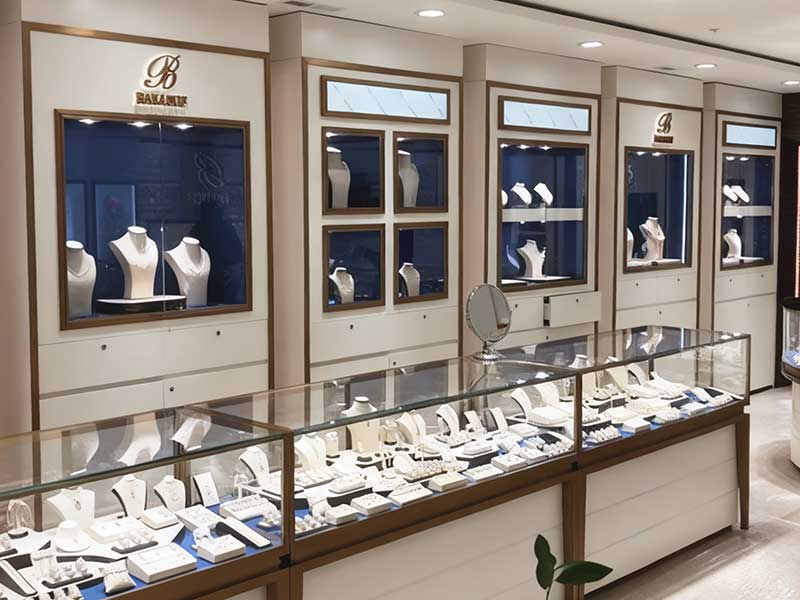
Each application presents unique requirements. Animal identification often uses LF (134.2 kHz) because low frequency penetrates tissue and liquids more reliably. Jewelry systems require highly controlled read zones, often using near-field, low-gain antennas to prevent cross-reads. Baggage handling systems demand fast, accurate identification under continuous movement, typically relying on medium-gain antennas for sortation. These specialized environments often rely on purpose-built tags and carefully designed RFID infrastructure.
Relevant content
IoT applications and solutions
Relevant content
Ready to Find the Right Antenna Solution?
Airplux provides customized antenna solutions for different applications and project requirements. Contact our antenna experts to discuss your next project.