
IoT Applications and Solutions
IoT Applications and Solutions
IoT connects devices, sensors, and systems to support real-time data collection, remote monitoring, and smarter operations across industrial and commercial environments.
Common IoT Applications and Solutions
IoT connects devices and sensors for data exchange, remote monitoring, and improved visibility into equipment and operations.
Industrial IoT
- Equipment Monitoring
- Predictive Maintenance
- Machine Condition Monitoring
- Remote Equipment Monitoring
Smart Buildings & Homes
- Building Automation
- Smart Indoor Lighting
- Indoor Environmental Monitoring
- Home Monitoring
Smart Agriculture
- Soil Monitoring
- Irrigation Control
- Greenhouse Monitoring
- Livestock Monitoring
Transportation & Logistics
- Fleet Management & Telematics
- Warehouse Monitoring
- Cold Chain Monitoring
- High-Value Asset Tracking
Smart Retail
- Shelf & Inventory Management
- Store Environment Monitoring
- In-store Cold Chain Monitoring
- Customer Flow Monitoring
Energy & Utilities
- Smart Metering
- Power Monitoring
- Grid Monitoring
- Water Management
Healthcare & Medical
- Patient Monitoring
- Medical Equipment Monitoring
- Remote Health Monitoring
- Medical Device Connectivity
Smart City & Infrastructure
- Smart Traffic Systems
- Public Street Lighting
- Urban Environmental Monitoring
- Public Infrastructure Monitoring
Why IoT Is Used Across
So Many Industries
IoT enables connected devices and systems to collect and exchange data, helping organizations monitor operations, automate processes, and manage equipment and resources more effectively.
Connectivity
Connect devices, sensors, and systems to exchange data across different environments.
Monitoring
Collect equipment and environmental data for remote monitoring and real-time operational visibility.
Automation
Use real-time data to support automated processes, equipment control, and timely responses.
Efficiency
Improve operational efficiency through better management of equipment, resources, and processes.
IoT Connectivity Technologies
Different IoT applications rely on different wireless technologies. The right antenna depends on the device’s connectivity requirements, operating frequency, and installation environment.
WiFi
Bluetooth
Cellular
LoRa / LoRaWAN
NB-IoT
Antenna
How IoT Is Used Across Industries
IoT applications vary across industries, from equipment monitoring in factories to connected devices in buildings and outdoor infrastructure. Each environment presents different requirements for wireless communication, antenna placement, power consumption, and device integration. Explore how IoT is used across eight industries and the deployment factors that shape antenna selection.

Industrial IoT
Industrial IoT connects equipment, sensors, and monitoring systems to collect operational data and support predictive maintenance, machine condition monitoring, and equipment management.
Factories often contain metal structures, heavy machinery, and moving equipment that can affect wireless signal propagation. Antenna selection and placement should account for the operating environment, device enclosure, and required communication range to support consistent data transmission.
Key Antenna Considerations:
Metal Environments · Antenna Placement · Enclosure Design
Smart Buildings & Homes
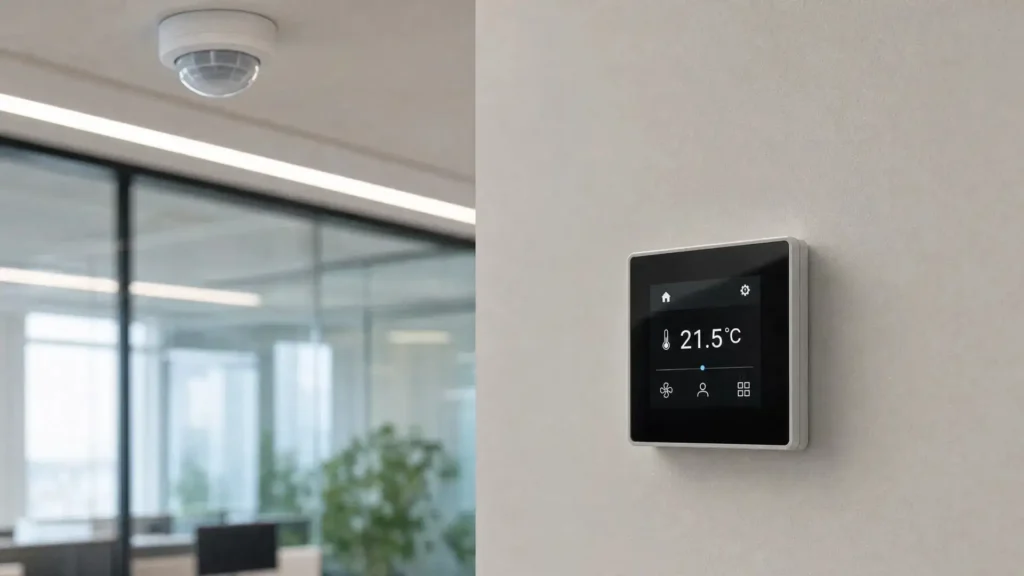
Smart buildings and homes use IoT to connect lighting, environmental sensors, security systems, and other devices for monitoring and automated control. These applications support building management, energy monitoring, and connected home functions.
Walls, floors, and building materials can affect signal propagation between devices and gateways. Antenna selection should consider device locations, indoor coverage requirements, installation constraints, and the communication needs of connected systems.
Key Antenna Considerations:
Indoor Coverage · Device Size · Installation Location
Smart Agriculture
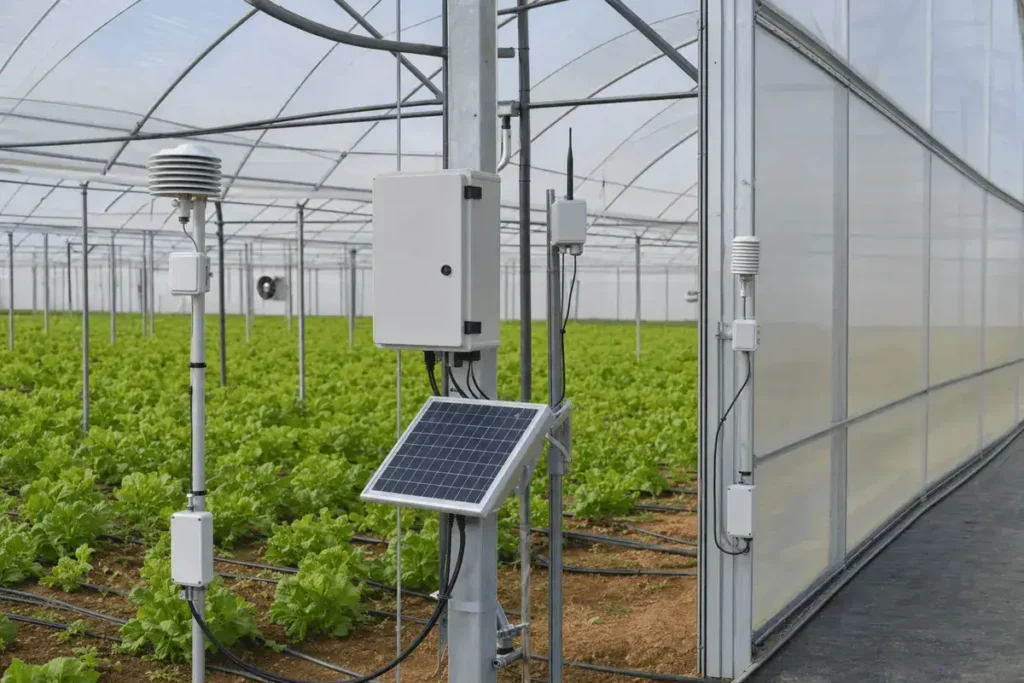
Smart agriculture uses IoT devices to monitor soil conditions, irrigation systems, greenhouse environments, and livestock. Collected data helps farmers understand field conditions and manage agricultural operations.
Agricultural deployments often cover large outdoor areas with limited access to wired infrastructure. Devices may operate in remote locations and face changing weather conditions, vegetation, and limited power availability. Antenna selection should reflect the communication range, mounting position, and environmental protection requirements of each application.
Key Antenna Considerations:
Long-Range Communication · Outdoor Durability · Power Constraints
Transportation & Logistics
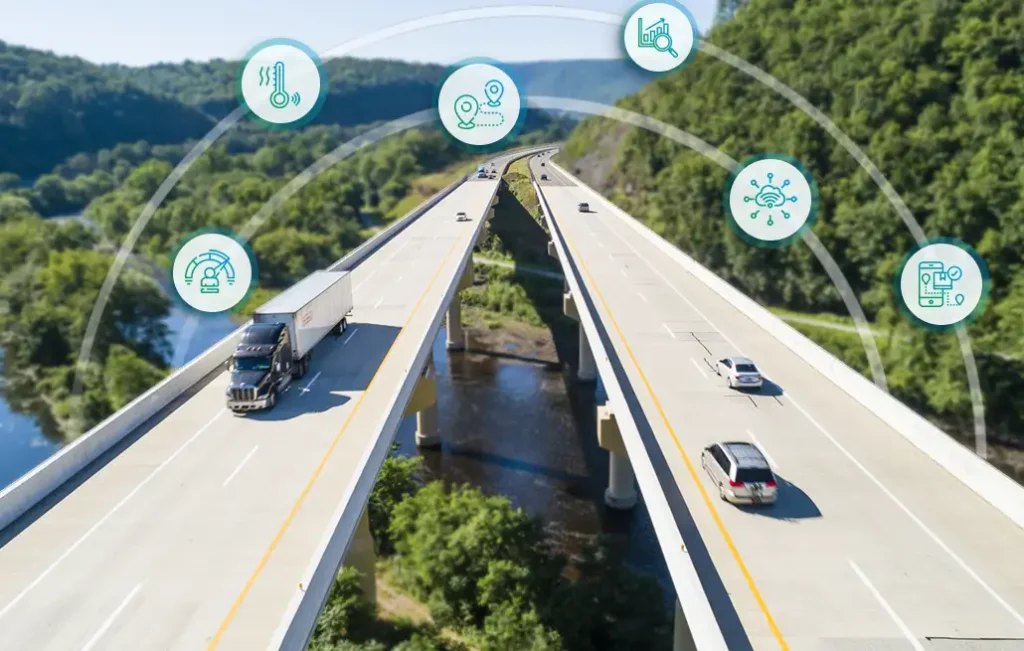
IoT supports fleet management, vehicle tracking, warehouse monitoring, cold chain monitoring, and asset tracking. Connected devices collect location, status, and environmental data across logistics operations.
Vehicles and tracked assets move between different environments. Metal containers, warehouse racks, and vehicle structures can obstruct signals, while compact devices limit antenna placement. Antenna selection should account for mobility, mounting position, and communication range.
Key Antenna Considerations:
Compact Antenna Design · Mobility · Metal Obstruction

Smart Retail
Smart retail uses IoT for inventory management, smart shelves, store environment monitoring, cold chain monitoring, and customer flow measurement. Connected devices help retailers monitor stores and storage areas.
Dense shelving, merchandise, and refrigeration equipment can affect wireless signals and device installation. Antenna selection should consider shelf structures, device locations, and indoor coverage requirements.
Key Antenna Considerations:
Compact Device Design · Antenna Placement · Dense Device Environments
Energy & Utilities
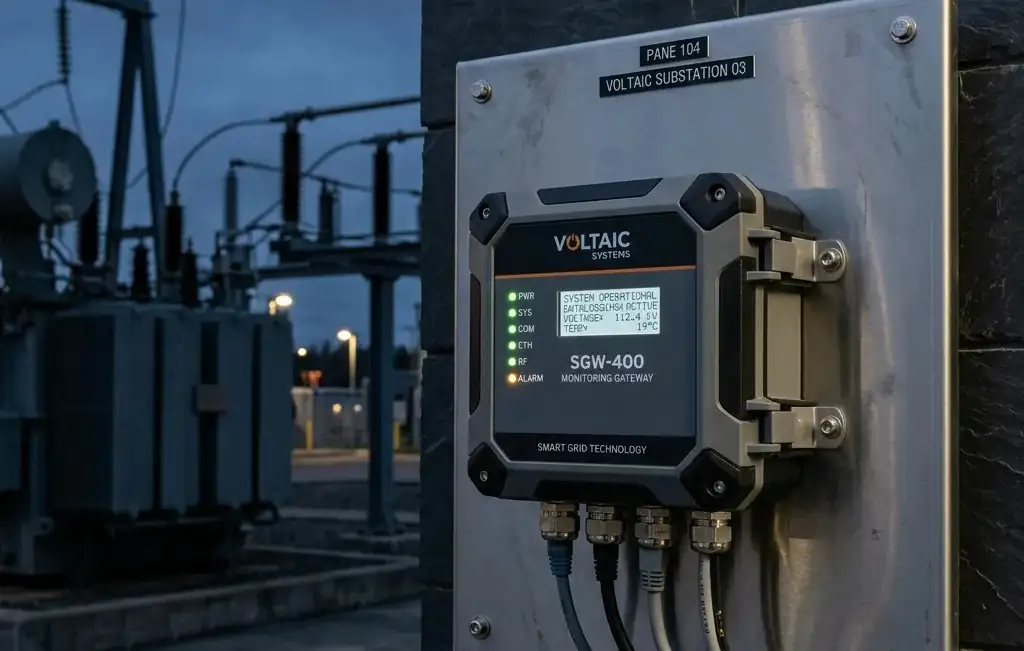
Energy and utility applications use IoT for smart metering, power monitoring, grid monitoring, and water management. Connected devices collect data from distributed equipment for remote monitoring and resource management.
Utility devices are often installed outdoors, in remote locations, or inside equipment enclosures. Communication distance, power availability, and weather exposure affect deployment. Antenna selection should consider operating frequency, range, mounting, and environmental protection.
Key Antenna Considerations:
Remote Coverage · Outdoor Durability · Low-Power Operation

Healthcare & Medical
Healthcare IoT connects patient monitoring devices, medical equipment, and clinical systems to collect and exchange operational and patient-related data. These applications support equipment management, remote monitoring, and connected medical workflows.
Hospitals contain multiple rooms, walls, medical equipment, and electronic systems that can affect wireless signal propagation. Antenna selection and placement should account for the facility layout, device locations, and applicable electromagnetic compatibility requirements.
Key Antenna Considerations:
Compact Antenna Design · Signal Reliability · Device Integration
Smart City & Infrastructure
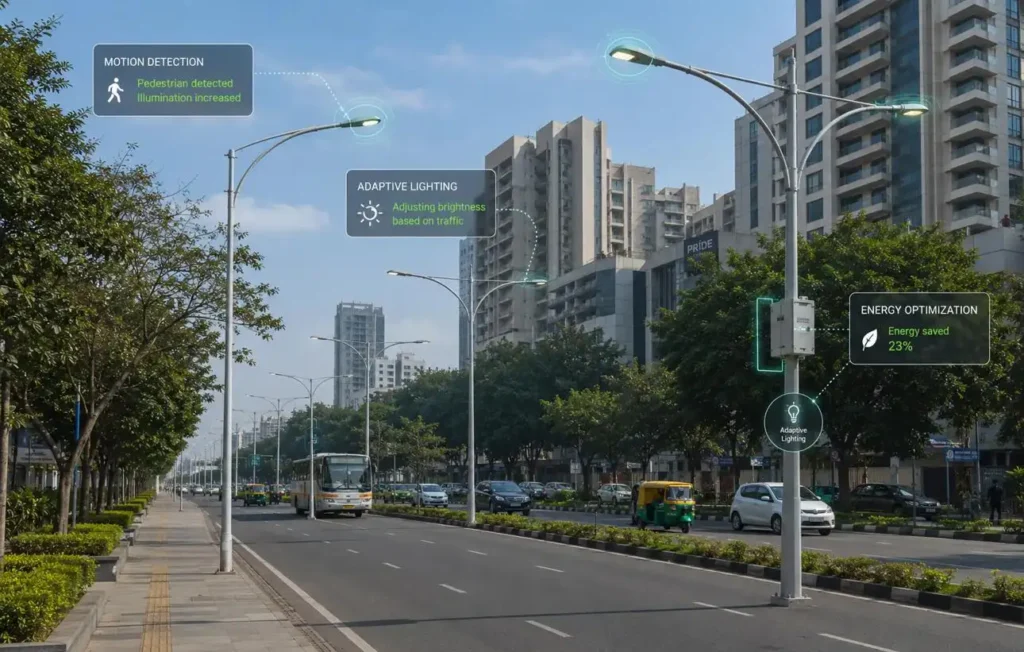
Smart cities use IoT to monitor traffic conditions, manage public lighting, collect environmental data, and track the condition of public infrastructure. Distributed devices provide information that supports infrastructure monitoring and urban operations.
Outdoor deployments may involve long distances, changing weather conditions, and installation on streets, buildings, or public structures. Antenna selection should consider coverage requirements, mounting locations, environmental protection, and the communication needs of distributed devices.
Key Antenna Considerations:
Outdoor Coverage · Antenna Mounting · Environmental Protection

Relevant content
Relevant content
Looking for the Right Antenna Solution?
Airplux provides customized antenna solutions for different applications and project requirements. Contact our antenna experts to discuss your next project.