
Distributed Antenna System Solutions

Distributed Antenna System Solutions
A Distributed Antenna System (DAS) improves wireless coverage in locations where traditional cellular signals are weak or inconsistent. In this guide, we explore how DAS works, its key components, common architectures, design considerations, and the applications that make it an essential part of modern wireless networks.
Table of Contents
What is Distributed Antenna System (DAS)?
A Distributed Antenna System (DAS) is a wireless communication system designed to improve signal coverage and capacity in buildings and large areas where traditional wireless signals may be weak or unavailable.
A DAS uses multiple antenna nodes connected to a central signal source to distribute RF signals evenly throughout a specific area. It helps provide reliable wireless connectivity for environments such as commercial buildings, airports, stadiums, hospitals, and other complex indoor spaces.
Depending on project requirements, DAS solutions can support different wireless services, including cellular networks, public safety communication, and other RF applications. By improving signal distribution and reducing coverage gaps, DAS technology enables more stable and efficient wireless communication.
How Does a Distributed Antenna System Work?
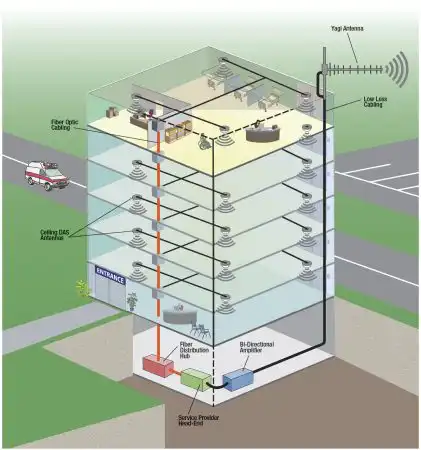
A Distributed Antenna System works by capturing RF signals from a central source and distributing them through a network of connected components to improve wireless coverage.
The system typically includes a signal source, head-end equipment, distribution cables, remote units, and multiple antenna nodes. These components work together to deliver consistent wireless signals throughout buildings or large areas.
By placing antenna nodes closer to users, DAS reduces coverage gaps and provides more reliable wireless communication in complex environments.
Why DAS Is Needed
It’s tempting to think one high-power antenna on the roof or somewhere outside can cover an entire building. In practice, though, that rarely works well.
A signal coming from a single outdoor antenna has to travel a long way and push through exterior walls, glass, floor slabs, and multiple interior partitions. The further it travels, the more path loss builds up. The more walls it passes through, the more penetration loss adds on top.
What you usually end up with looks like this:
• Good signal near windows and along outside walls
• Noticeably weaker signal in the building core
• Dead zones in basements, elevators, and enclosed rooms
• Big differences between floors, sometimes 10 dB or more
If you keep increasing transmit power to reach those weak areas, the near side of the building often becomes too hot, which makes network optimization harder and can create interference problems.
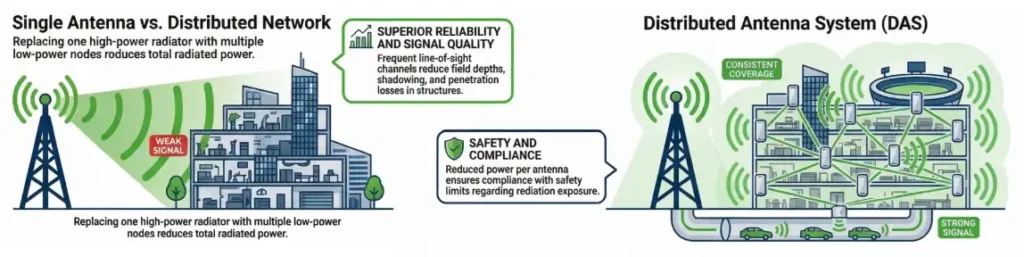
A Distributed Antenna System takes a different approach. Instead of relying on one strong source, it places multiple antenna nodes close to where people actually use their phones — corridors, basements, elevator lobbies, office floors. The user’s device connects to a nearby node rather than struggling to hear a distant signal through layers of concrete.
This distributed layout reduces the amount of building material the signal has to fight through. Coverage becomes more continuous and more uniform, especially in areas that are difficult to reach with a single high-power antenna.
One thing worth being clear about: DAS reduces the transmit power needed at each individual antenna to reach its local area. Whether the total system RF power goes down depends on the number of antennas, cable losses, coverage targets, and how the power budget is planned.
So at its core, the main value of DAS isn’t just “more antennas.” It’s bringing the signal closer to the user, in a controlled way, so indoor coverage quality actually improves where it matters.
Key Components of a DAS Solution
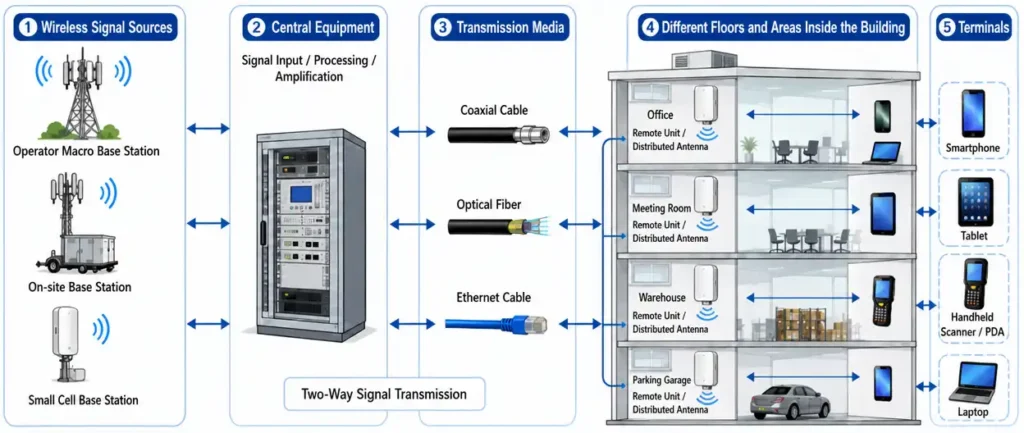
A DAS may look complex at first, but most systems break down into four basic parts. Once you see how they connect, it’s easier to understand where things can go wrong — and what to check before choosing components.
01. Signal source
Every DAS starts with a signal source. This could be a macro base station from an operator, a small cell inside the building, or a dedicated base station unit. If this source is weak or already congested, the rest of the system can’t make up for it.
02. Central equipment
This is where the incoming signal is accessed and then processed, combined, or amplified, depending on the system architecture. In a passive DAS, this part may be a POI together with splitters and couplers. In an active or hybrid system, it’s usually a headend unit that manages the signals before they go further into the building.
03. Distribution network
From there, the signal travels through the building over coaxial cable or fiber. The choice depends on the architecture and the building layout. Coax is common in smaller passive systems. Fiber becomes more practical in larger buildings or when cable runs are long.
04. Distributed nodes / remote units
At the end of the chain, remote units or antenna nodes provide wireless coverage in the target areas — corridors, basements, elevator lobbies, office floors — and they also receive uplink signals from user devices.
But there’s one thing that often gets misunderstood.
DAS solves the problem of where wireless signal is delivered. It doesn’t automatically create more wireless resources.
For example, if you take one base station cell and distribute its signal to more antenna locations, you can improve coverage and receive quality. But all those users are still sharing the original cell’s spectrum.
If the signal source is already at its capacity limit, adding more DAS antennas won’t increase network capacity. You may see more bars, but data speeds may still feel slow.
- That’s why the first question in DAS design should always be:Does the site mainly need better coverage, or more capacity?
Coverage and Capacity: Why They Are Not the Same
When people talk about wireless performance, they often use coverage and capacity as if they mean the same thing. In reality, they solve different problems.
Coverage answers a simple question: can a device receive a usable signal? If users can consistently connect throughout a building, coverage exists. The network is reachable—though not necessarily at a quality good enough for reliable data.
Capacity answers a different question: how many users can the network support at the same time? A venue may have excellent signal strength, but if thousands of devices are sharing the same resources, users can still experience slow data speeds, dropped calls, or network congestion.
This distinction becomes important in high-density environments such as stadiums, airports, convention centers, and large office buildings. Improving coverage alone does not guarantee a better user experience. A strong signal is valuable only if the network has enough capacity to handle demand.
One reason DAS is widely used in these environments is that it can address coverage gaps while also improving how network resources are distributed throughout a venue. That said, DAS does not create new spectrum. If the signal source is already congested, adding more antennas will not increase capacity—the real solution may require additional carriers, small cells, or more available spectrum.
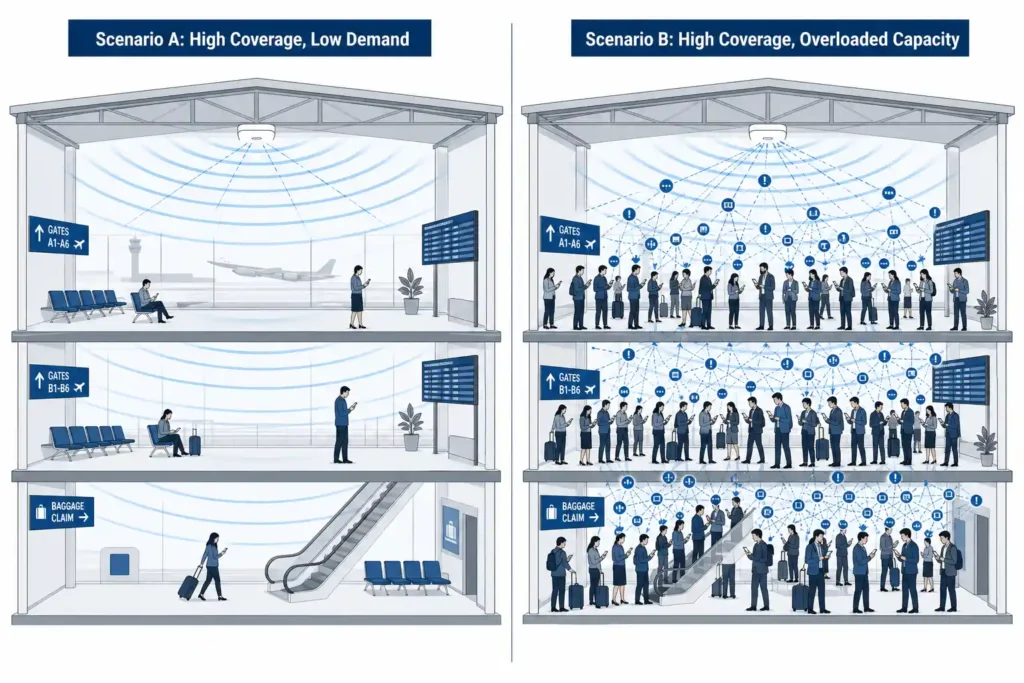
In wireless design, coverage determines whether users can connect. Capacity determines whether the network can continue performing when everyone connects at once.
DAS Architecture: Passive, Active, and Hybrid
The core difference between DAS architectures comes down to how the signal travels from the source to the antennas — and whether it passes through active equipment along the way.
Passive DAS
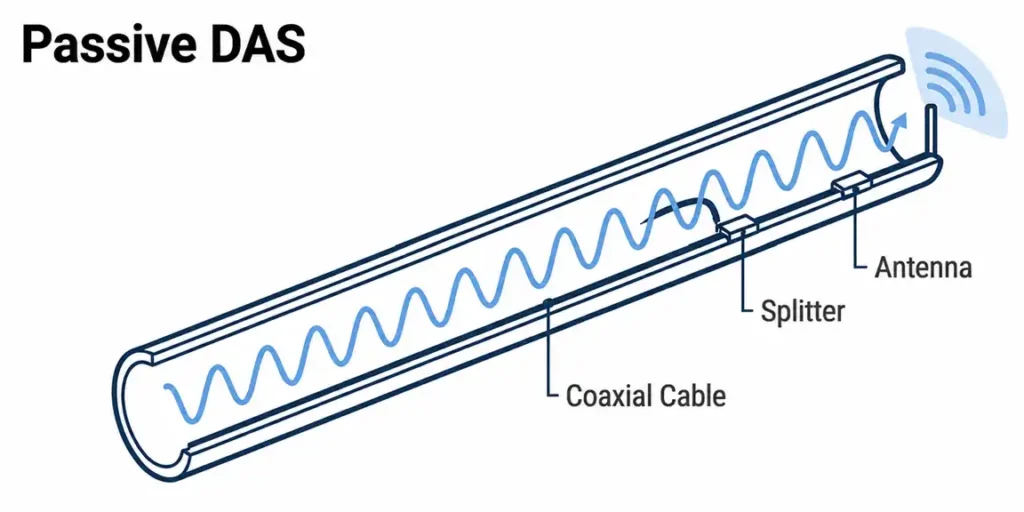
Passive DAS uses only coaxial cable, splitters, couplers, and antennas. No powered devices in the signal path.
It’s simple, reliable, and cost-effective, but signal loss increases as cable runs become longer. Best for smaller buildings with short cable runs.
Higher 5G bands make this harder, because coax loss increases at higher frequencies.
Active DAS
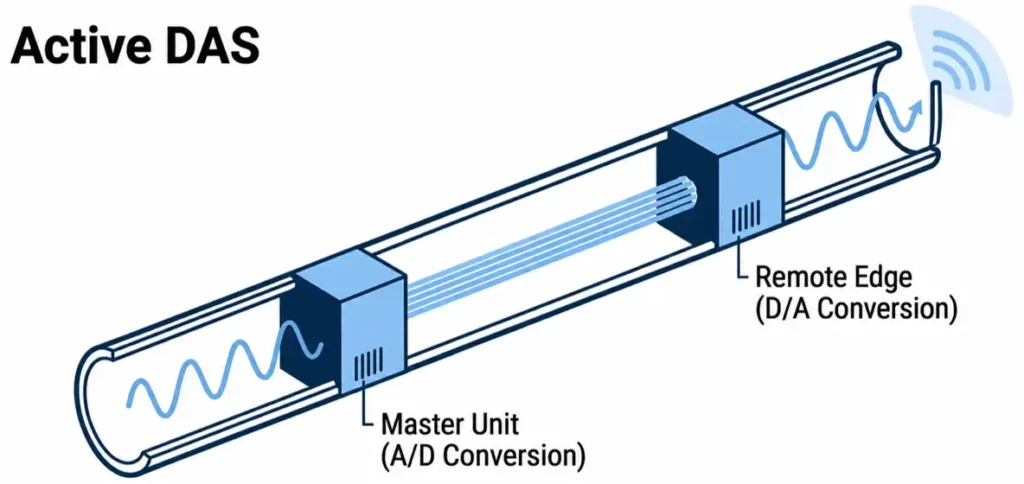
Active DAS converts the RF signal and sends it over fiber to remote units near the coverage area. The remote units then convert it back to RF and feed the antennas.
This supports much longer distances and larger buildings, but it needs power at the remote units and costs more.
Typical use: airports, stadiums, large commercial buildings.
Hybrid DAS
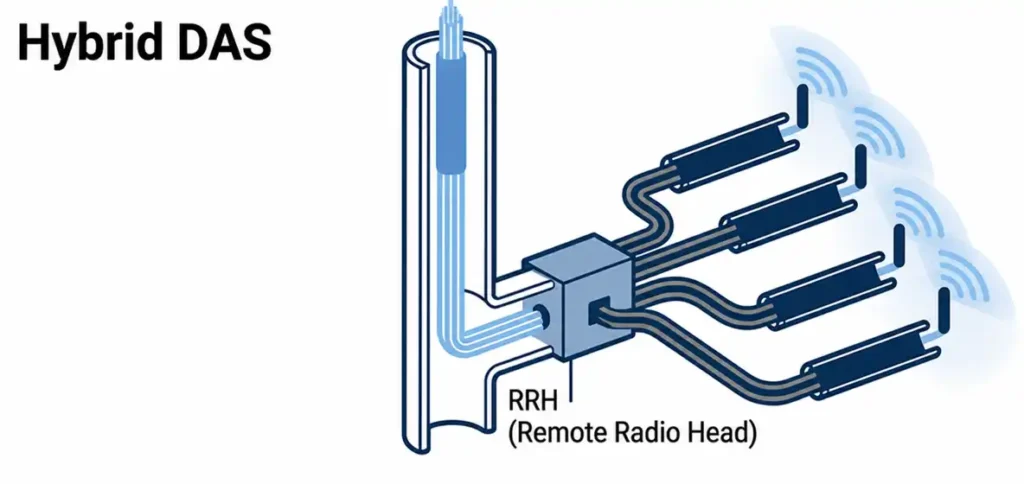
Hybrid DAS uses fiber for the long run from the headend to each floor or zone, then coax and passive splitters for the final few meters to the antennas.
It’s a practical middle ground — especially for larger buildings or upgrades where some coax already exists.
The passive section still requires careful planning to control signal loss and maintain balanced coverage across all antenna locations.
| Passive DAS | Active DAS | Hybrid DAS |
|---|---|---|
| Coax Based | Fiber Based | Fiber + Coax |
| Lower Cost | Higher Performance | Balanced Approach |
| Small Buildings | Large Venues | Large Commercial Buildings |
Key Factors in DAS Design
No two buildings have exactly the same wireless coverage requirements. A DAS that works well in an office tower may not fit a stadium, airport, or hospital. The design has to start with the building itself — how people use the space, what the signal looks like outside, and what the network actually needs to do.
User Density and Traffic Demand
Coverage alone is not enough. In high-density environments like stadiums, airports, and convention centers, thousands of users may connect at the same time. Even with strong signal levels, limited radio resources can still create bottlenecks. That’s why these projects need traffic estimates, not just coverage tests.
Building Structure and Signal Penetration
Concrete walls, metal structures, energy-efficient glass, and underground spaces can significantly reduce signal strength. Antenna placement should follow actual propagation conditions, not an even split of floor area. If a certain core area or basement has much higher loss, that’s where the design should start.
Available Signal Source
The quality of the signal source directly affects overall DAS performance. Where outdoor signal is strong, the job is mainly to bring that signal indoors. In more challenging locations, a donor antenna may not give you a clean source, and dedicated small cells or base station equipment become the realistic option.
Coverage Environment
Large open halls and terminal areas often need broad coverage patterns. Tunnels, corridors, and underground passages are different — they usually require directional antennas, distributed nodes, or leaky cable to keep coverage continuous along the path.
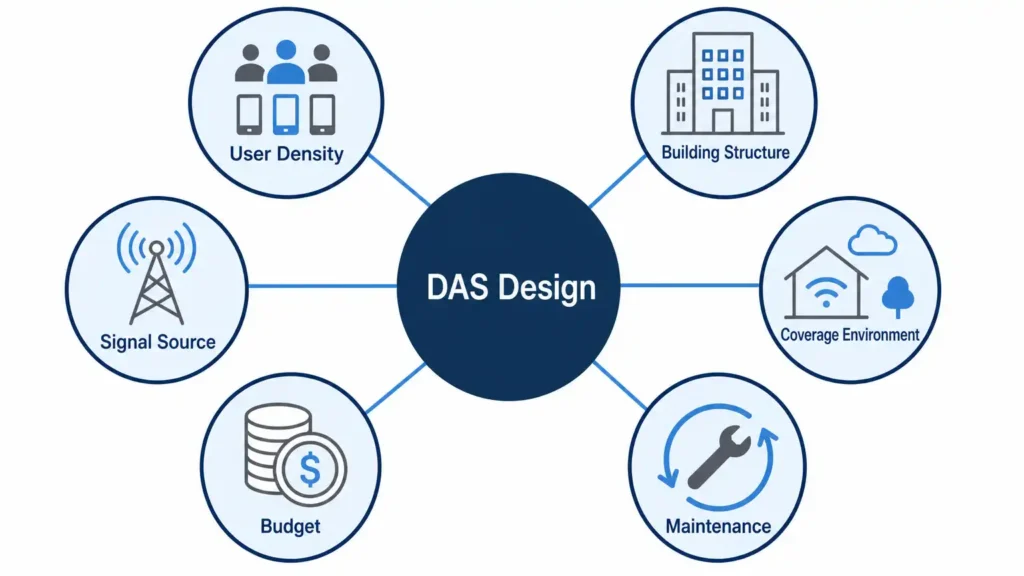
Budget and Maintenance Requirements
Different DAS architectures come with different trade-offs. Passive systems can be simpler and more economical, but long coax runs bring more loss and power-balance issues. Active and hybrid systems cost more upfront, but they’re generally easier to expand, monitor, and manage over time.
Three Common DAS Design Mistakes
DAS design often looks straightforward on paper. In practice, a few common mistakes can have a significant impact on performance. Most are not caused by equipment failure, but by assumptions made during the design stage.
Mistake 1: Focusing on Signal Strength Alone
Strong signal does not always translate into a good user experience. Many projects focus heavily on RSRP while overlooking signal quality (SINR). Excessive antenna overlap can reduce SINR, leaving users with full signal bars but disappointing throughput. Effective DAS design balances both coverage and signal quality rather than optimizing for signal strength alone.
Mistake 2: Designing for Downlink Only
overage planning often begins with the downlink, but the uplink is equally important. Excessive uplink gain can amplify noise and raise the base station’s noise floor, reducing overall network performance. The result can be a network that appears healthy from a coverage perspective but struggles under real traffic conditions. A DAS should always be designed and optimized in both directions.
Mistake 3: Ignoring Small Losses Across the RF Path
Every connector, combiner, and cable introduces some loss. In multi-operator DAS deployments, POI insertion loss should be included in the link budget, and passive intermodulation (PIM) must be controlled through low-PIM components and careful connector selection. Individually, these losses may seem minor. Across an entire RF path, however, they can noticeably affect system performance and become operational issues after installation.
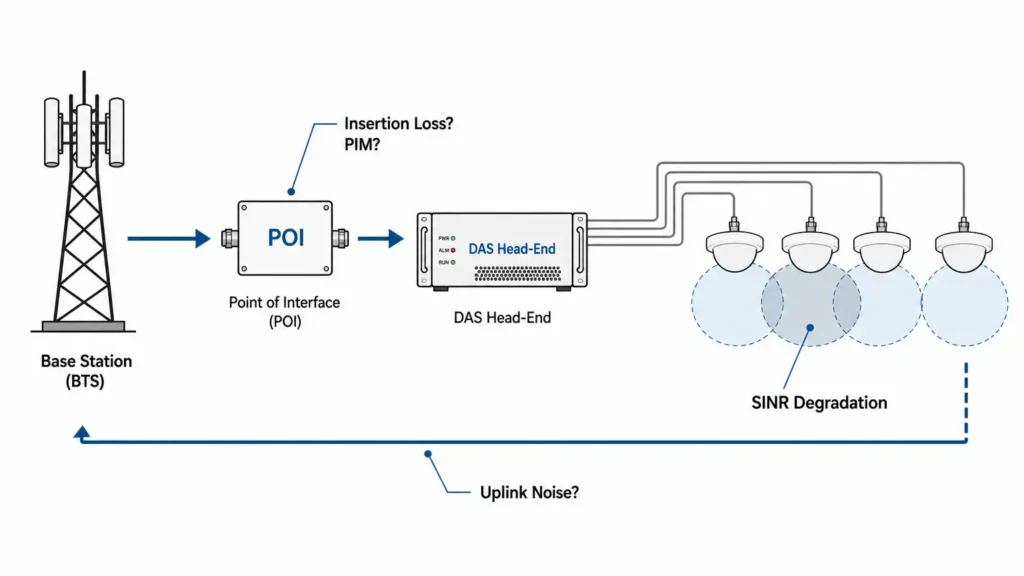
Conclusion:Most DAS issues are easier to prevent than to fix. The best-performing systems are usually the ones designed with the entire RF path in mind—from the signal source to the antenna, and back again.
Benefits of Distributed Antenna Systems
A Distributed Antenna System (DAS) provides a reliable solution for improving wireless communication performance in buildings and large areas. By deploying multiple antenna nodes throughout a coverage area, DAS helps enhance the reception of voice and data signals while reducing signal loss and unnecessary power consumption.
Unlike traditional wireless systems that may experience weak signals caused by building structures, distance, or high user density, DAS ensures more consistent wireless coverage across different environments. This makes it an effective solution for locations where reliable communication is difficult to achieve, such as multi-story buildings, airports, stadiums, and other large facilities.
In addition, DAS provides a flexible infrastructure that can support different wireless technologies and future network requirements. Key benefits of a DAS solution include:
- Improved communication performance by supporting advanced technologies such as MIMO and beamforming to enhance data transmission efficiency.
- Support for multiple network operators by enabling different telecom carriers to provide wireless services within the same coverage area.
- More reliable user experience by reducing dropped calls, connection interruptions, and weak signal areas.
- Increased network capacity through multiple antenna nodes that support different frequency bands and wireless technologies, including GSM, CDMA, LTE, and LTE-Advanced.
- Flexible future expansion by allowing additional antennas and system upgrades to meet increasing bandwidth demands.
- Reduced RF interference by distributing signals through multiple antennas with optimized transmission power, resulting in more stable wireless performance.
Types of DAS Solutions Based on Applications

In-building Coverage Solutions
In-building DAS solutions are widely used in commercial buildings, residential buildings, and high-rise facilities where indoor wireless coverage can be challenging. Building structures, walls, and complex layouts may weaken mobile signals and create coverage gaps. DAS improves indoor connectivity by distributing RF signals through multiple antenna nodes, ensuring more stable voice and data communication throughout offices, apartments, and public areas.
Airport Coverage Solutions
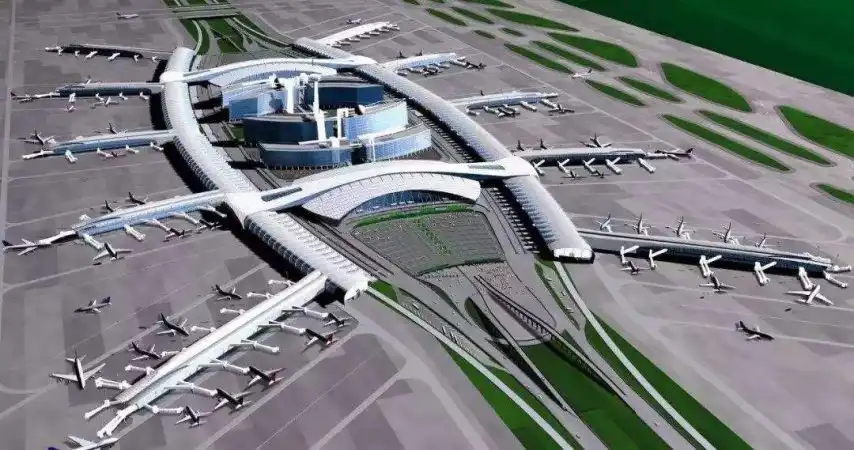
Airports require reliable wireless connectivity due to high passenger density and large coverage areas. A properly designed DAS network helps provide consistent mobile coverage across terminals, waiting areas, baggage areas, and other functional zones. By improving signal availability and network capacity, airport DAS solutions support both passenger communication needs and operational requirements in complex environments.

University / Campus DAS Solutions
Universities and campuses often include multiple buildings, classrooms, libraries, and outdoor areas where wireless demand continues to increase. DAS solutions help create seamless mobile coverage across different campus environments, supporting reliable voice communication and high-speed data access for students, staff, and visitors. The system can also be customized according to campus size and network requirements.
Hospital and Healthcare Facility DAS Solutions
Healthcare facilities require reliable wireless communication for both daily operations and emergency situations. DAS helps improve mobile signal coverage throughout patient rooms, corridors, underground areas, and other challenging locations. By providing stable connectivity, DAS solutions support communication between medical staff, improve user experience, and help meet public safety communication requirements.
Convention Center DAS Solutions
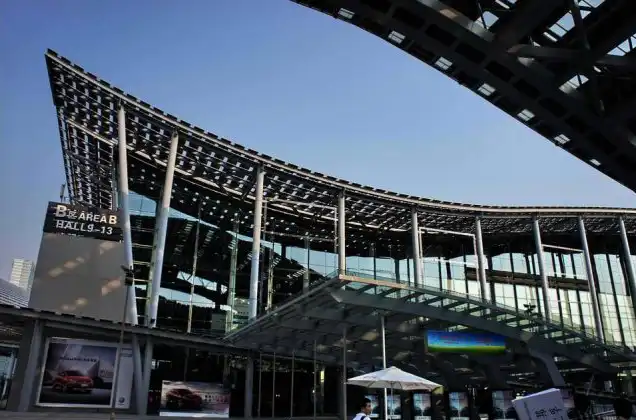
Convention centers often experience high user density during exhibitions, conferences, and large-scale events. Traditional wireless networks may struggle to provide sufficient coverage and capacity in these environments. DAS solutions distribute signals evenly across halls, meeting rooms, and public areas, ensuring reliable mobile connectivity for visitors, exhibitors, and event organizers.
Hotel DAS Solutions
Hotels require seamless wireless connectivity to meet the increasing expectations of guests for reliable mobile services. DAS solutions help overcome signal limitations caused by building structures and multiple floors, providing consistent coverage in guest rooms, lobbies, restaurants, and other indoor areas. A well-designed DAS network improves guest experience while supporting modern digital services.

Stadium DAS Solutions
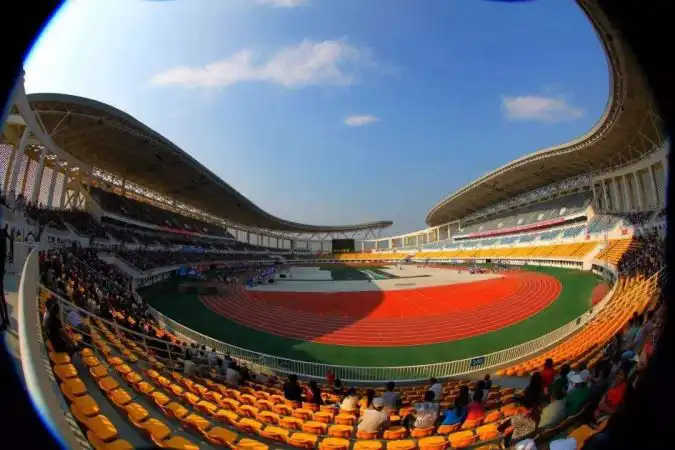
Stadiums and large venues require high-performance wireless networks to support thousands of users simultaneously during events. DAS solutions improve coverage and capacity by distributing RF signals across seating areas, entrances, and public spaces. This enables reliable mobile communication, faster data access, and better connectivity experiences for spectators, staff, and event operations.
Railway / Tunnel Coverage Solutions
Railway systems and tunnels present unique challenges for wireless communication due to long, narrow structures and limited signal penetration. DAS solutions are designed to provide continuous mobile coverage along railway lines, stations, and tunnel environments. By maintaining stable wireless connectivity during travel, DAS supports passenger communication as well as operational and safety-related communication requirements.


Elevator DAS Solutions
Elevator environments often experience weak mobile signals due to enclosed metal structures that block RF transmission. Elevator DAS solutions help maintain continuous wireless coverage inside elevators, allowing users to keep voice calls and mobile data connections while moving between floors. In addition, reliable elevator coverage is increasingly important for public safety communication systems in modern buildings.
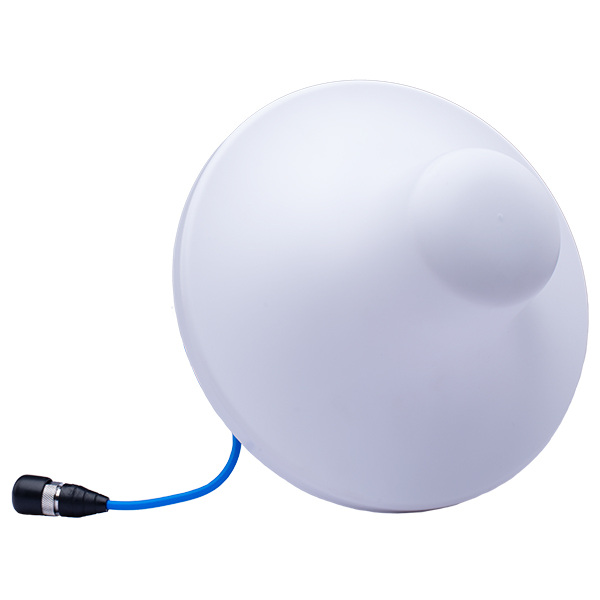
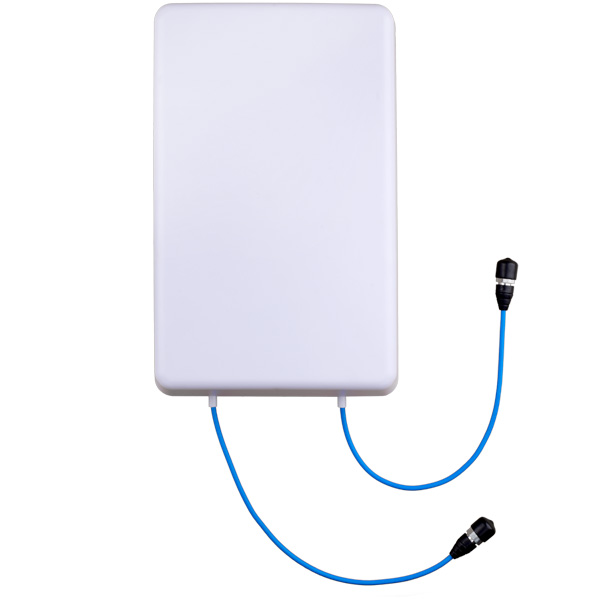
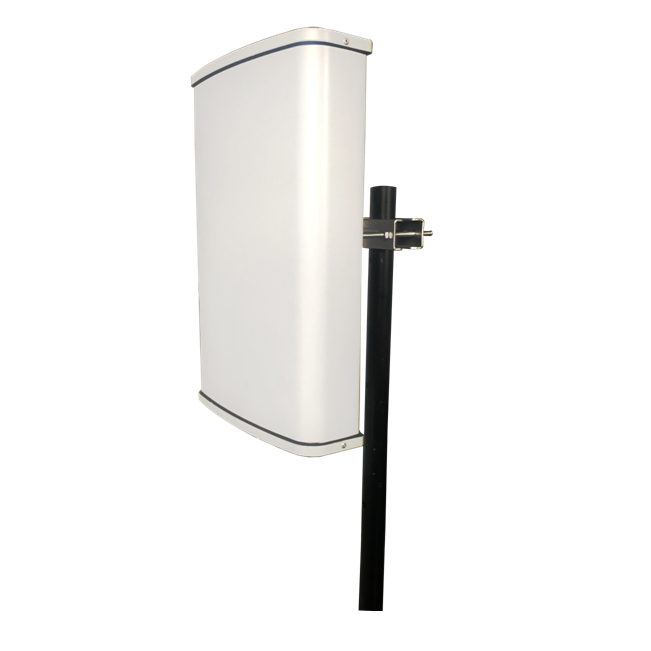
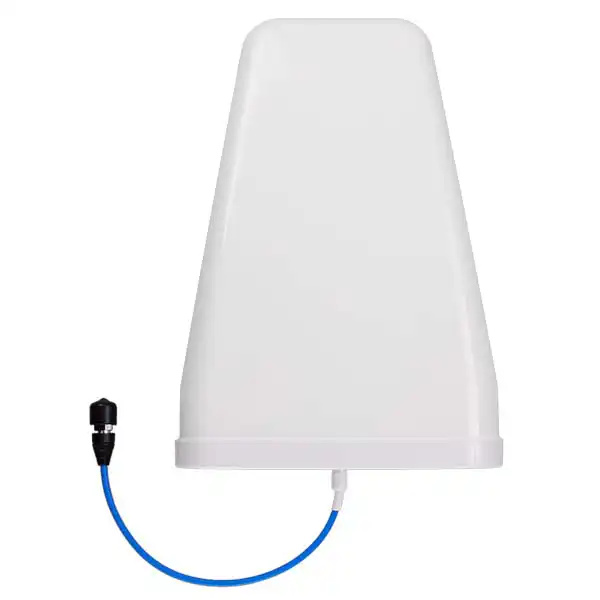
Common Antenna Types Used in DAS
A DAS relies on antennas to distribute RF signals throughout a building or venue. While the system architecture may remain the same, antenna selection plays a major role in coverage quality, signal distribution, and overall network performance.
About Airplux Antenna Solutions
Airplux Technologies is a specialized antenna manufacturer integrating antenna design, research and development, production, and sales. We provide reliable antenna solutions covering RFID antennas, WiFi antennas, DAS antennas, IoT antennas, base station antennas, and customized antenna products from 350MHz to 6GHz.
With professional antenna design capabilities and flexible manufacturing experience, Airplux supports customers with both standard antenna products and customized solutions for different project requirements. Our antennas are widely used in various wireless communication and identification systems worldwide, serving system integrators, enterprises, and manufacturers with stable performance and reliable quality.
Explore Antenna Solutions
Ready to Find the Right Antenna Solution?
Airplux provides customized antenna solutions for different applications and project requirements. Contact our antenna experts to discuss your next project.