
WIFI Antennas For WISP (Wireless Internet Service Provider)
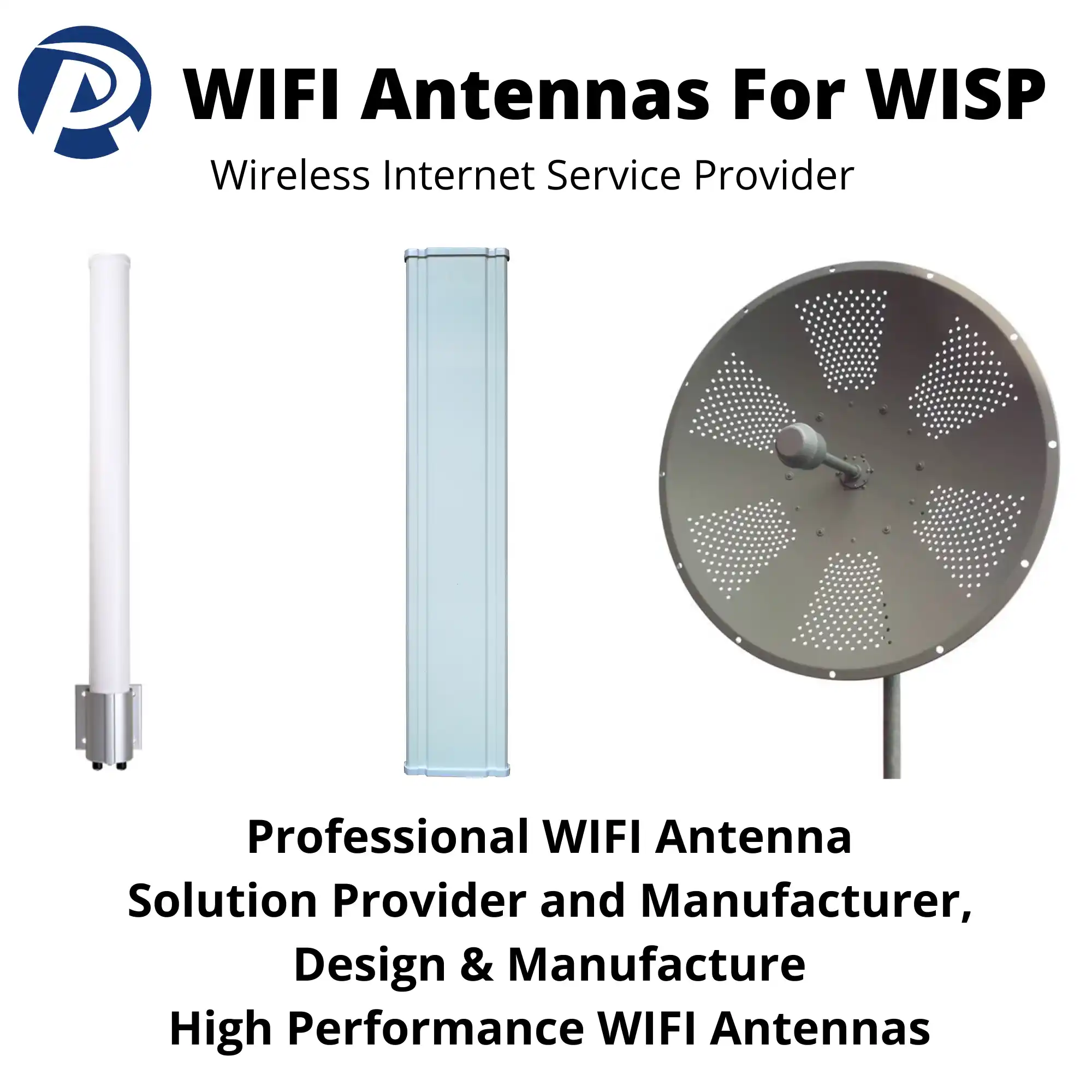
WIFI Antennas For WISP (Wireless Internet Service Provider)
Airplux provides professional WiFi antenna solutions for WISP networks, covering 2.4GHz, 5GHz, and dual-band applications. Our antenna portfolio includes MIMO sector antennas, omni-directional antennas, and dual-polarized parabolic dish antennas designed for different coverage distances and deployment requirements.
With optimized RF performance, stable gain, and durable outdoor construction, Airplux antennas help WISP operators build reliable wireless networks for broadband access, rural connectivity, and long-range communication systems.
Table of Contents
Overview: WiFi Antennas for WISP Network Deployment
Wireless Internet Service Providers rely on outdoor wireless networks to deliver broadband connectivity to customers in urban, rural, and remote areas. The antenna plays an important role in determining coverage range, signal quality, and network stability.
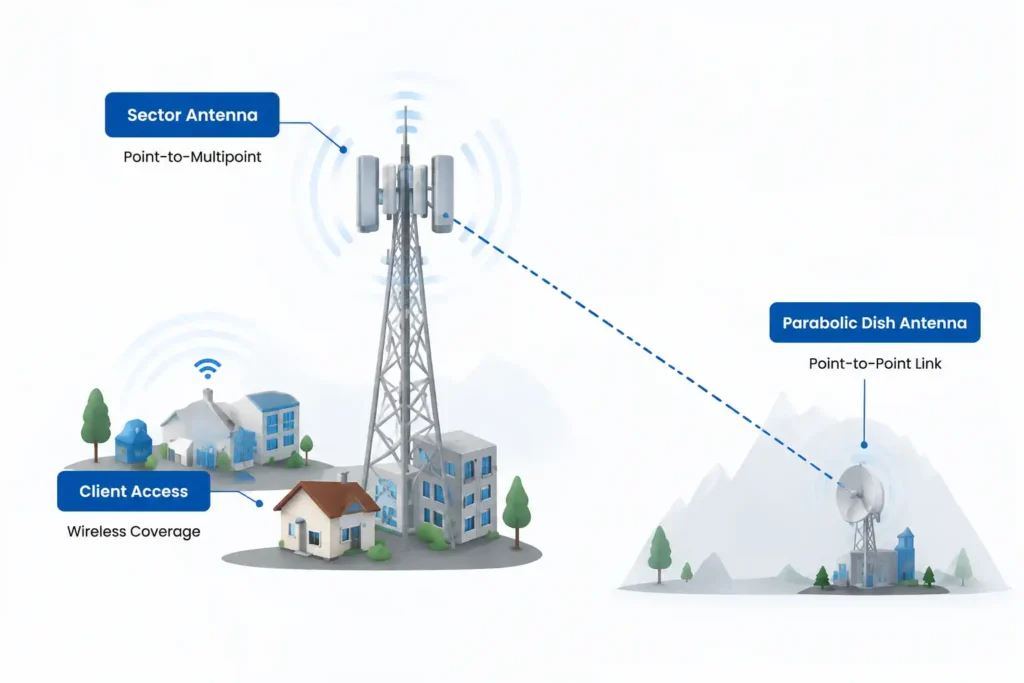
Airplux provides different types of WiFi antennas for WISP deployments, including sector antennas for point-to-multipoint coverage, omni antennas for wide-area transmission, and parabolic dish antennas for long-distance point-to-point communication.
WISP Antenna Types & Solutions
Different WISP network deployments require different antenna designs. Airplux provides sector, omni-directional, and parabolic dish antenna solutions to support point-to-multipoint coverage, wide-area wireless access, and long-distance point-to-point communication.
Sector WiFi Antenna
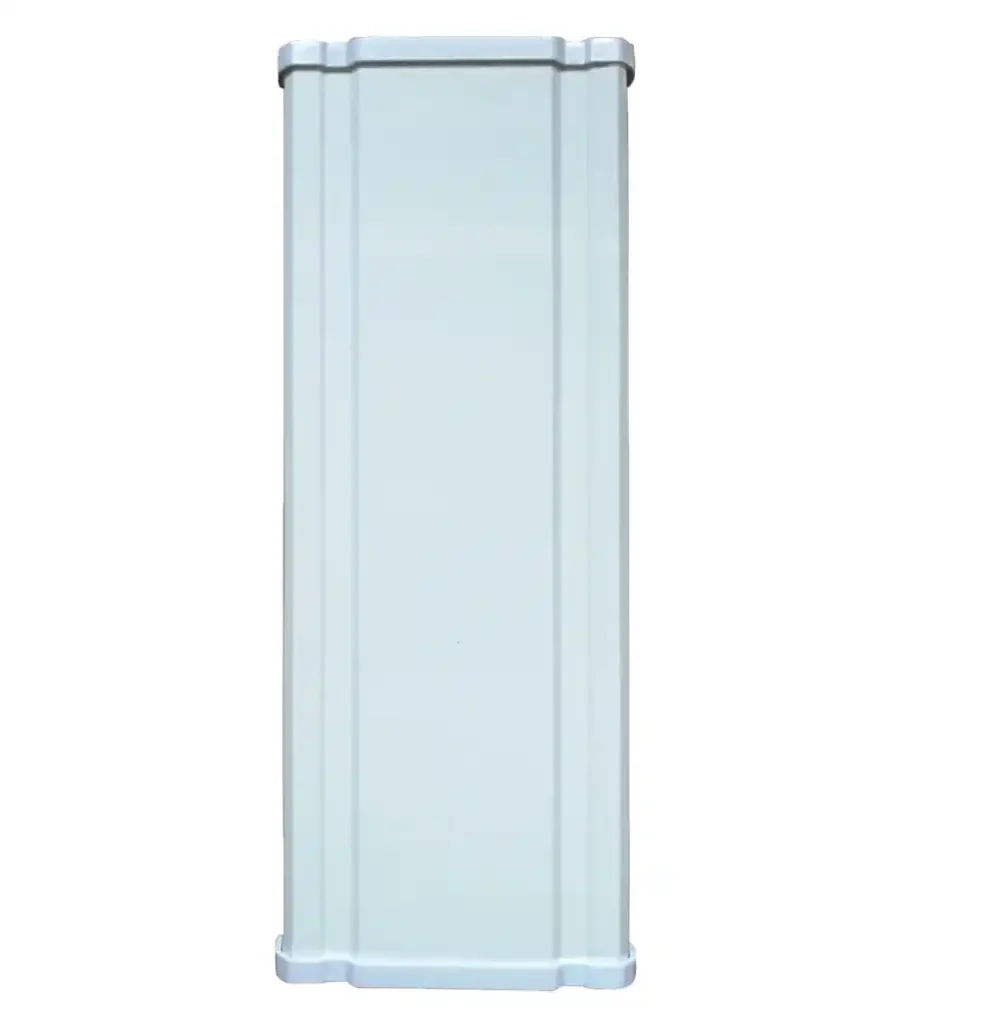
Designed for point-to-multipoint WISP networks, sector antennas provide controlled coverage areas and allow operators to connect multiple customer locations from a single base station.
Applications:
· Rural Broadband
· Base Stations
· Fixed Wireless Access
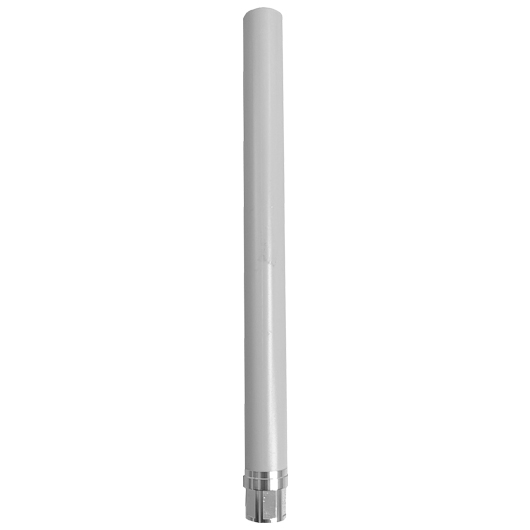
Omni-Directional WiFi Antenna
Omni-directional antennas provide 360° horizontal coverage, making them suitable for wireless networks requiring broad signal distribution around the installation point.
Applications:
· Outdoor Hotspots
· IoT Networks
· Public Wireless Coverage
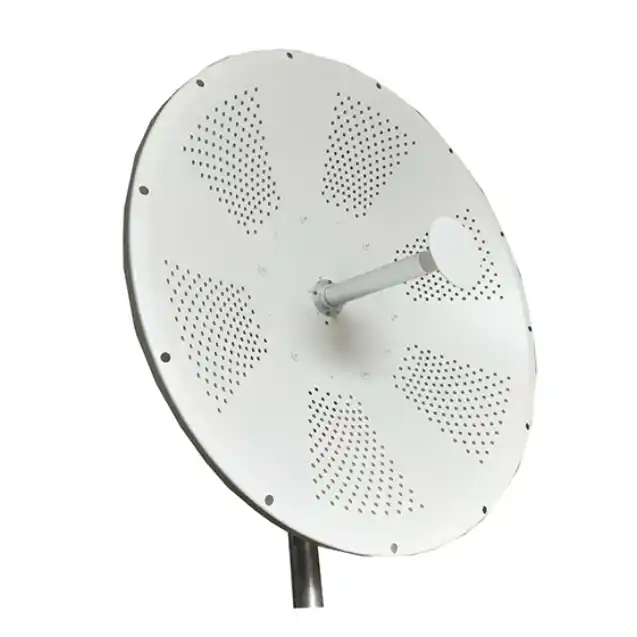
Parabolic Dish Antenna
Designed for high-gain and long-distance communication, parabolic dish antennas are widely used for point-to-point links and wireless backhaul connections.
Applications:
· Network Backhaul
· Remote Connections
· Long-range Transmission
Application Scenarios of WISP WiFi Antennas
WISP networks are widely deployed in areas where reliable wireless connectivity is required. Airplux WiFi antennas support different deployment scenarios, including broadband access, remote communication, and outdoor wireless coverage with flexible antenna solutions.
Rural Broadband
Provide reliable wireless internet access for remote and rural areas where traditional wired infrastructure is difficult to deploy.
Fixed Wireless Access (FWA)
Deliver last-mile wireless connectivity for residential and commercial users through flexible and scalable WISP network solutions.
Outdoor Wireless Coverage
Support wide-area wireless deployments for communities, campuses, and public areas requiring stable outdoor network coverage.
Industrial Wireless Networks
Enable dependable wireless communication for factories, large facilities, and industrial sites with demanding connectivity requirements.
Airplux WiFi Antenna Product Range For WISP Networks
Airplux offers a comprehensive range of WiFi antennas for WISP networks, covering 2.4GHz, 5GHz, and dual-band frequencies. Different antenna designs, including omni-directional, sector, and parabolic antennas, are available to support various coverage requirements and deployment scenarios.
2.4GHz WIFI Antennas For WISP
2.4GHz WiFi antennas provide excellent coverage and penetration performance, making them suitable for wide-area wireless access and environments requiring stable signal distribution.
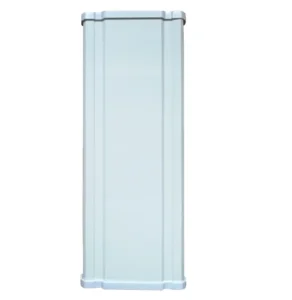
2.4GHz 14dBi MIMO Sector WiFi Antenna
Model: APSA240014HVS
Frequency Range: 2400-2500MHz
Polarization: Horizontal + Vertical
Gain: 14dBi
Dimensions: 390*145*20mm
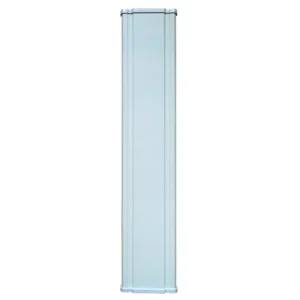
2.4GHz 16dBi MIMO Sector WiFi Antenna
Model: APSA240016HVS
Frequency Range: 2400-2500MHz
Polarization: Horizontal + Vertical
Dimensions: 860*145*20mm
Gain: 16dBi
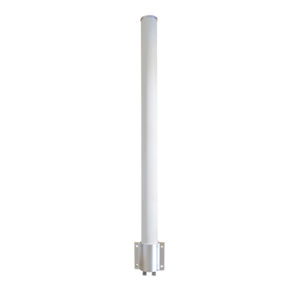
2.4GHz 10dBi MIMO Omni WIFI Antenna
Model: APOA240010M
Frequency Range: 2400-2500MHz
Polarization: Horizontal+Vertical
Gain: 10dBi
Dimensions:Ø76×1120 mm
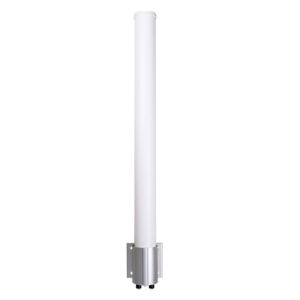
2.4GHz 12dBi MIMO Omni WiFi Antenna
Model: APOA240012M
Frequency Range: 2400-2500MHz
Polarization: Horizontal + Vertical
Gain: 12dBi
Dimensions:Φ75×1150mm
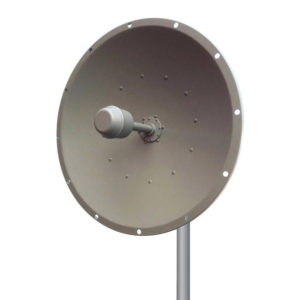
2.4GHz 21dBi Dual Polarity Parabolic Dish Antenna
Model: APPA2421HV
Frequency Range: 2400-2500MHz
Polarization: Dual Polarized (H+V)
Gain: 21dBi
Dimensions: Φ60cm
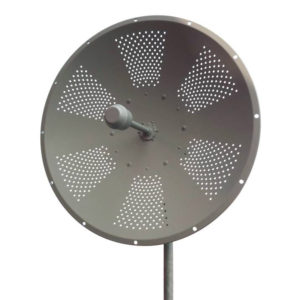
2.4GHz 25dBi Dual Polarity Parabolic Dish Antenna
Model: APPA2425HV
Frequency Range: 2400-2500MHz
Polarization: Dual Polarized (H+V)
Gain: 25dBi
Dimensions: Φ90cm
5GHz WiFi Antennas For WISP
5GHz WiFi antennas offer higher capacity and reduced interference, making them ideal for high-performance WISP networks requiring faster wireless transmission.
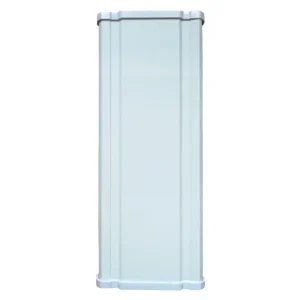
5GHz 16dBi MIMO Sector WiFi Antenna
Model: APSA515816HVS
Frequency Range: 5150-5850MHz
Polarization: Horizontal + Vertical
Gain: 16dBi
Dimensions: 380*145*20cm
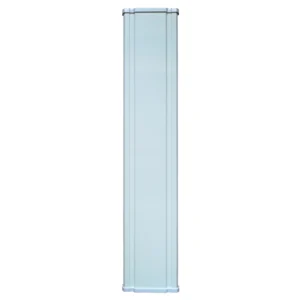
5GHz 19dBi MIMO Sector WiFi Antenna
Model: APSA515819HVS
Frequency Range: 5150-5850MHz
Polarization: Horizontal + Vertical
Gain: 19dBi
Dimensions: 740*145*20cm
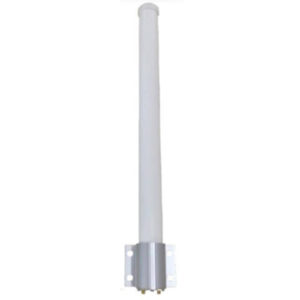
5.8GHz 12dBi MIMO Omni WiFi Antenna
Model: APOA580012MS
Frequency Range: 5150-5850MHz
Polarization: Horizontal + Vertical
Gain: 12dBi
Dimensions: Φ40×570cm
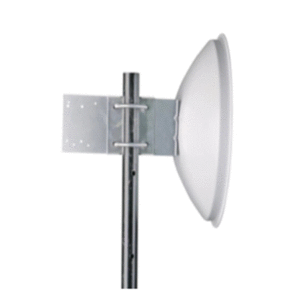
5GHz 23dBi Dual Polarity Parabolic Dish Antenna
Model: APPA495823HV
Frequency Range: 4900-5900MHz
Polarization: Dual Polarized (H+V)
Gain: 23dBi
Dimension: Φ38cm
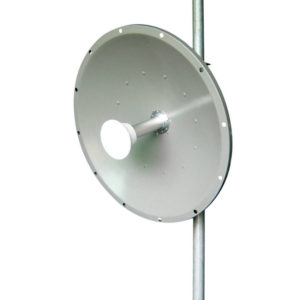
5GHz 30dBi Dual Polarity Parabolic Dish Antenna
Model: APPA495930HVC
Frequency Range: 4900-5900MHz
Polarization: Dual Polarized (H+V)
Gain: 30dBi
Dimension: Φ60cm
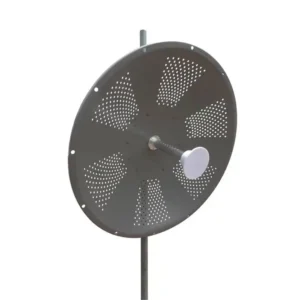
5GHz 34dBi Dual Polarity Parabolic Dish Antenna
Model: APPA495934HVC
Frequency Range: 4900-5900MHz
Polarization: Dual Polarized (H+V)
Gain: 34dBi
Dimension: Φ90cm
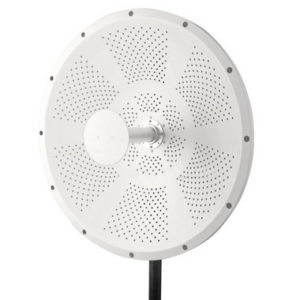
4.9-6.4GHz 30dBi Dual Polarity Parabolic Dish Antenna
Model: APPA496430HVB
Frequency Range: 4900-6400MHz
Polarization: Dual Polarized (H+V)
Gain: 30dBi
Dimension: Φ60cm
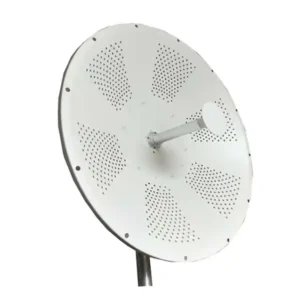
4.9-6.4GHz 34dBi Dual Polarity Parabolic Dish Antenna
Model: APPA496434HV
Frequency Range: 4900-6400MHz
Polarization: Dual Polarized (H+V)
Gain: 34dBi
Dimension: Φ90cm
2.4/5GHz WiFi Antennas For WISP
Dual-band antennas support flexible network deployments by combining 2.4GHz coverage advantages with 5GHz performance benefits.
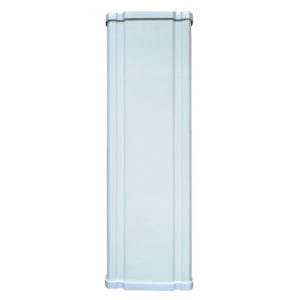
2.4/5GHz 14/16dBi MIMO Sector WiFi Antenna
Model: APSA24581416HVS
Frequency Range: 2400-2500/5150-5850MHz
Polarization: Horizontal + Vertical / Horizontal + Vertical
Gain: 2x14dBi / 2x16dBi
Dimension: 470*145*20cm
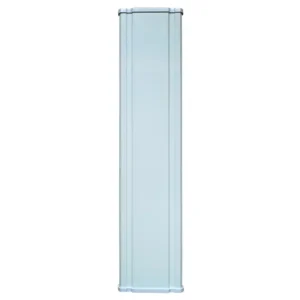
2.4/5GHz 15/18dBi MIMO Sector WiFi Antenna
Model: APSA24581518HVS
Frequency Range: 2400-2500/5150-5850MHz
Polarization: Horizontal + Vertical / Horizontal + Vertical
Gain: 2x15dBi / 2x18dBi
Dimensions: 640*150*21cm
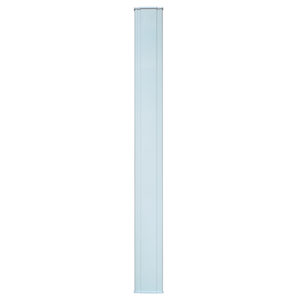
2.4/5GHz 16/19dBi MIMO Sector WiFi Antenna
Model: APSA24581619HVS
Frequency Range: 2400-2500/5150-5850MHz
Polarization: Horizontal + Vertical / Horizontal + Vertical
Gain: 2x16dBi / 2x19dBi
Dimensions: 1500*145*15cm
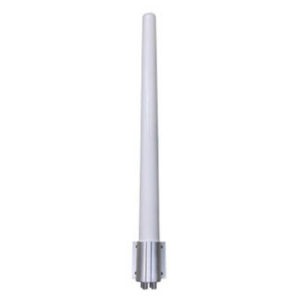
2.4/5.8GHz 8/12dBi MIMO Omni WIFI Antenna
Model: APOA245812M
Frequency Range: 2400-2500/5150-5850MHz
Polarization: Horizontal + Vertical
Gain: 8/12dBi
Dimensions: Φ75×1150cm
Frequently Asked Questions About WiFi Antenna for WISP
A WiFi antenna for WISP (Wireless Internet Service Provider) is designed to help operators build outdoor wireless broadband networks by transmitting and receiving RF signals between base stations and client devices.
A typical WISP network includes
Different antenna types are selected according to network requirements:
- Parabolic dish antennas for long-distance point-to-point links
- Sector antennas for planned area coverage
- Omni-directional antennas for 360° wireless coverage
Proper antenna selection helps improve coverage, link stability, and network efficiency.
The best WiFi antenna for WISP depends on the network deployment scenario.
For Point-to-Point (P2P) connections:
Parabolic dish antennas are commonly used because they provide:
- High gain
- Narrow beam width
- Long-distance transmission capability
Typical applications:
- Tower-to-tower links
- Building-to-building connections
- Wireless backhaul
For Point-to-Multi-Point (P2MP) networks:
Sector antennas are usually preferred because they provide:
- Controlled coverage areas
- Better capacity management
- Reduced interference
For general area coverage:
Omni-directional antennas can be used when users are distributed around the antenna location.
The correct choice depends on distance, coverage area, user density, and interference conditions.
Sector and omni-directional antennas are both used for wireless coverage, but their radiation patterns are different.
Omni-Directional WiFi Antenna
Omni antennas provide approximately 360° horizontal coverage.
Advantages:
- Covers users in all directions
- Simple network deployment
- Suitable for hotspot-style coverage
Applications:
- Small WISP networks
- Outdoor hotspots
- General area coverage
Sector WiFi Antenna
Sector antennas focus RF energy into a specific angle, such as:
- 60°
- 90°
- 120°
Advantages:
- Higher efficiency
- Better interference control
- Suitable for high-density users
Applications:
- WISP base stations
- Rural broadband networks
- Large outdoor deployments
Many WISP operators use multiple sector antennas together to achieve wider coverage while maintaining better capacity control.
A Parabolic Dish WiFi Antenna is mainly used for long-distance point-to-point wireless links.
It is suitable when a WISP needs to connect:
- Two towers
- Two buildings
- Remote locations
- Network backhaul sites
The dish reflector concentrates RF energy into a narrow beam, providing:
- Higher gain
- Longer transmission distance
- Better directional performance
Because the beam is narrow, accurate alignment between antennas is required during installation.
For long-distance wireless backhaul, parabolic dish antennas are often preferred over wide-coverage antennas.
The choice between 2.4GHz and 5GHz WiFi antennas depends on coverage requirements, interference environment, and network design.
2.4GHz WiFi Antenna
Advantages:
- Longer propagation distance
- Better penetration capability
Suitable for:
- Larger coverage areas
- Rural environments
- Longer-range connections
5GHz WiFi Antenna
Advantages:
- More available channels
- Less interference
- Higher network capacity
Suitable for:
- High-performance WISP networks
- Dense deployment areas
- High-speed wireless links
Many professional WISP deployments select frequency bands according to local regulations, terrain, and customer density.
Antenna gain determines how RF energy is concentrated rather than increasing the transmitter power.
Higher gain antennas usually provide:
- Longer coverage distance
- More focused signal transmission
- Narrower beam width
For example:
High Gain Parabolic Dish
- Very narrow beam
- Long-distance P2P connection
Medium Gain Sector Antenna
- Wider coverage angle
- Suitable for serving multiple clients
However, higher gain is not always better. The antenna should match the required coverage area and installation environment.
A WISP network should balance:
- Gain
- Beam width
- Coverage
- Interference control
Outdoor wireless performance depends on more than antenna gain.
Important factors include:
Antenna Selection
Choosing the correct:
- Sector antenna
- Omni antenna
- Dish antenna
Installation Position
Proper mounting height and orientation improve signal coverage.
Line of Sight
Clear paths between antennas help maintain stable wireless links.
Interference Management
Directional antennas can reduce unwanted signals outside the target coverage area.
A properly designed WISP antenna system improves:
- Network stability
- Coverage efficiency
- Customer experience
Usually, different antenna types are used for base stations and client-side connections because their requirements are different.
Base Station Side:
Common antennas:
- Sector antennas
- Omni-directional antennas
Purpose:
Provide coverage for multiple customers.
Client Side:
Common antennas:
- Directional panel antennas
- Small dish antennas
Purpose:
Create a stable connection with the service provider.
In a WISP network, combining different antenna types allows operators to build efficient Point-to-Point and Point-to-Multi-Point architectures.
need the right antenna solution?
From standard antenna products to customized designs,Airplux provides professional antenna solutions for
different wireless communication requirements.