
GPS & GNSS Antenna Solutions
GPS & GNSS Antenna Solutions
Airplux Technologies provides comprehensive GPS & GNSS antenna solutions designed for reliable satellite signal reception and precise positioning applications.
Covering active GPS antennas, GNSS patch antennas, and ceramic antenna solutions, our products support various positioning requirements including vehicle tracking, IoT devices, navigation systems, and industrial applications.
With stable RF performance, compact designs, and customization capabilities, Airplux antennas deliver dependable positioning performance for modern wireless systems.
OVERVIEW: GPS & GNSS Antenna Solutions for Reliable Positioning
GPS and GNSS antennas play an important role in positioning systems by receiving satellite signals and transmitting them to GNSS receivers for location calculation.
Airplux provides a wide range of antenna solutions, including active GPS antennas, GNSS ceramic patch antennas, and embedded antenna designs. Different antenna structures are developed to meet various requirements, from compact IoT devices to outdoor tracking and navigation systems.
With stable RF performance, flexible configurations, and customization options, Airplux GPS & GNSS antennas help customers build reliable positioning solutions for different applications.
What Is the Difference Between GPS and GNSS?
GPS is often used as a catch-all term for satellite positioning, but technically it represents only one constellation within a much larger navigation ecosystem. Understanding how GPS fits into GNSS helps explain why modern positioning systems deliver better accuracy, faster acquisition times, and more reliable coverage than older GPS-only solutions.
GPS Is One System, GNSS Is the Bigger Picture
GPS (Global Positioning System) is the satellite navigation network operated by the United States. It was the first global system to become widely available, and because it dominated the market for many years, the term “GPS” gradually became synonymous with satellite positioning itself.
GNSS (Global Navigation Satellite System) is the broader category that includes GPS along with other global constellations such as Europe’s Galileo, China’s BeiDou, and Russia’s GLONASS.
Today, most positioning receivers no longer rely on a single satellite system. Instead, they track multiple constellations simultaneously and automatically combine the satellites that provide the most reliable positioning data at any given time. This multi-constellation approach significantly improves availability and positioning performance across different environments.
GPS Is One System, GNSS Is the Bigger Picture
GPS (Global Positioning System) is the satellite navigation network operated by the United States. Because it was the first global system to gain widespread adoption, many people still use “GPS” as a general term for satellite positioning.
GNSS (Global Navigation Satellite System) is the broader category that includes GPS, Galileo, BeiDou, and GLONASS. Modern receivers typically track multiple constellations at the same time, allowing them to access more satellites and maintain stronger positioning performance.
Why Multi-Constellation GNSS Matters
In open environments, GPS alone may provide acceptable performance. However, in cities, industrial sites, forests, or other locations where part of the sky is blocked, relying on a single constellation can limit the number of available satellites.
Multi-constellation GNSS receivers overcome this challenge by combining signals from GPS, Galileo, BeiDou, and GLONASS simultaneously. More satellites generally mean faster position acquisition, better signal availability, and more reliable accuracy in challenging environments.
What This Means for GNSS Antennas
The antenna acts as the front end of the positioning system, receiving satellite signals and delivering them to the receiver. A well-designed GNSS antenna supports multiple satellite systems and frequency bands, helping the receiver make full use of available signals.
This is why many products that were once marketed as GPS antennas are now described as GPS & GNSS antennas. The shift reflects the industry’s move from single-constellation positioning to modern multi-constellation GNSS solutions.
| System | Region |
|---|---|
| GPS | United States |
| Galileo | Europe |
| BeiDou | China |
| GLONASS | Russia |
How GPS & GNSS Antennas Work
Every position fix starts at the antenna. Whether it’s a vehicle tracker, RTK receiver, drone, or precision ag system, the GNSS antenna is the first component in the signal chain — and it sets the ceiling for everything that follows.
From Satellite Signal to Position Data
Satellite signals travel roughly 20,000 km to reach your antenna, arriving extremely weak — often below the noise floor. That’s why most modern GNSS antennas are active designs with a built-in low-noise amplifier (LNA). The LNA boosts the signal right at the antenna element, before cable losses can degrade it further.
From there, the receiver takes over: it locks onto multiple satellites, measures timing differences, and calculates position. But the receiver can only work with what it gets. If the antenna has weak gain, a high noise figure, or patchy frequency coverage, you’ll see longer fix times, reduced accuracy, and dropped positions in tough environments.
So while the receiver does the math, the antenna decides how clean the input is. For any multi-constellation GNSS solution, antenna frequency coverage, gain pattern, and noise performance matter just as much as the receiver specs — because a poor antenna undermines even the best receiver.
- A GNSS antenna captures extremely weak satellite signals and delivers them to the receiver through an amplification stage. The receiver then processes signals from multiple satellite constellations and calculates the final position.
Why Choose Airplux GPS & GNSS Antennas
Airplux GPS and GNSS antennas are designed to support reliable positioning performance across different applications. With various antenna structures, stable RF characteristics, and flexible customization options, Airplux provides solutions for both compact devices and complex positioning systems.
Reliable Satellite Signal Reception:
Airplux GPS and GNSS antennas are optimized for stable satellite signal reception, helping receivers achieve consistent positioning performance in different operating environments.
Multiple Antenna Designs:
From compact ceramic patch antennas to external active GPS antennas, Airplux offers different antenna formats to meet various size, installation, and integration requirements.
Flexible Integration Options:
With customizable cable lengths, connectors, and antenna configurations, Airplux antennas can be easily integrated into different devices and positioning systems.
Stable Performance for Various Applications:
Designed for automotive, IoT, tracking, and industrial applications, Airplux GPS GNSS antennas provide dependable performance for long-term operation.
GPS & GNSS Antenna Applications
Airplux GPS and GNSS antennas are designed for a wide range of positioning applications where stable satellite signal reception and reliable location data are required. From vehicle tracking to industrial systems, different antenna designs support various integration and deployment requirements.
Vehicle Tracking & Fleet Management:
GPS and GNSS antennas are widely used in fleet management, vehicle tracking, and telematics systems. Reliable satellite signal reception helps vehicles maintain accurate positioning information for monitoring, navigation, and operational management.
IoT & Smart Devices:
Compact GPS and GNSS antennas support location-based IoT applications including smart devices, asset tracking systems, and remote monitoring equipment where space-efficient integration is required.
Navigation & Transportation Systems:
GNSS antenna solutions provide stable positioning performance for navigation devices, transportation equipment, and location-based services requiring continuous satellite connectivity.
Industrial & Automation Applications:
In industrial environments, GPS and GNSS antennas enable accurate positioning for equipment monitoring, autonomous systems, and connected industrial solutions.
How to Choose the Right GPS GNSS Antenna
There’s no single “best” GNSS antenna for every project. The right pick depends on where the antenna will live, which satellite bands your receiver actually uses, and how tight your accuracy requirements are. A lot of people start by comparing gain numbers or price tags, but the smarter starting point is the real-world environment the antenna has to survive in — because a high-gain antenna mounted in the wrong spot will still underperform a basic one installed correctly.
4 Questions to Ask Before Selecting a GNSS Antenna
Which GNSS bands does my receiver support?
Mismatched frequency coverage is the most common reason a GNSS antenna underperforms — always check the band table first.
Will the antenna be mounted indoors, outdoors, or on a vehicle?
Mounting location determines the antenna’s form factor, weatherproofing, and cable requirements.
Do I need an active or passive antenna?
Most modern receivers expect an active antenna with a built-in LNA; a passive one only works for very short cable runs.
What level of positioning accuracy is required?
A 5-meter tracker and a centimeter-level RTK rover have completely different antenna demands — don’t overpay for bands you don’t need.
GPS GNSS Antenna Product Range
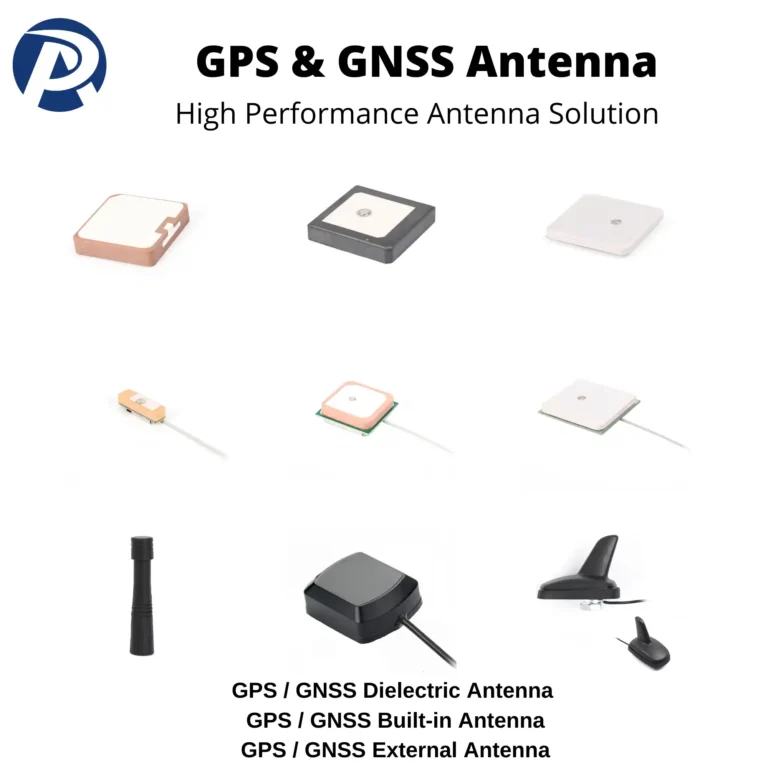
Airplux provides a wide range of GPS and GNSS antenna solutions designed for different installation requirements and positioning applications. The product range includes external antennas, built-in antennas, and dielectric antennas, offering flexible options for vehicle tracking, IoT devices, navigation systems, and industrial applications.
GPS / GNSS External Antenna
GPS GNSS external antennas are designed for applications requiring flexible installation and stable satellite signal reception. With cable and connector options, they are widely used in vehicle tracking, navigation equipment, and outdoor positioning systems.
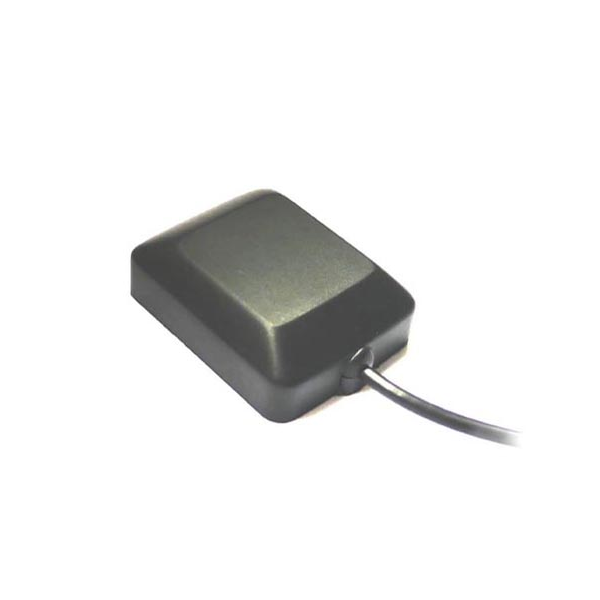
APGPS.03
GPS Antenna
1.Center Frequency(MHz):1575.42±3
2. LNA Gain(Without Cable) :28 dBi typical
3..Size(mm):44.0×35.5×14.
APGPSGlonass.03
GPS Antenna
1.Center Frequency(MHz):1575/1602
2. LNA Gain(Without Cable) :28 dBi typical
3..Size(mm):44.0×35.5×14.
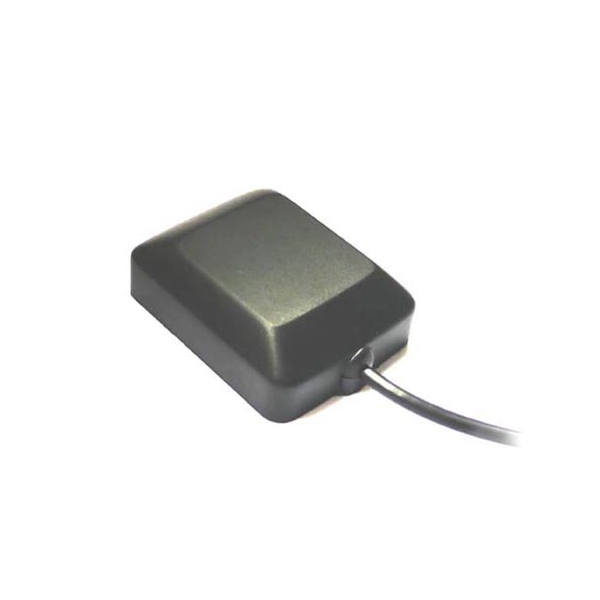
APGPS.04
GPS Antenna
1.Center Frequency(MHz):1575.42±3
2. LNA Gain(Without Cable) :28 dBi typical
3.Size(mm):44.0×35.5×14
APGPSGlonass.04
GPS Antenna
1.Center Frequency(MHz):1575/1602
2. LNA Gain(Without Cable) :28 dBi typical
3.Size(mm):44.0×35.5×14
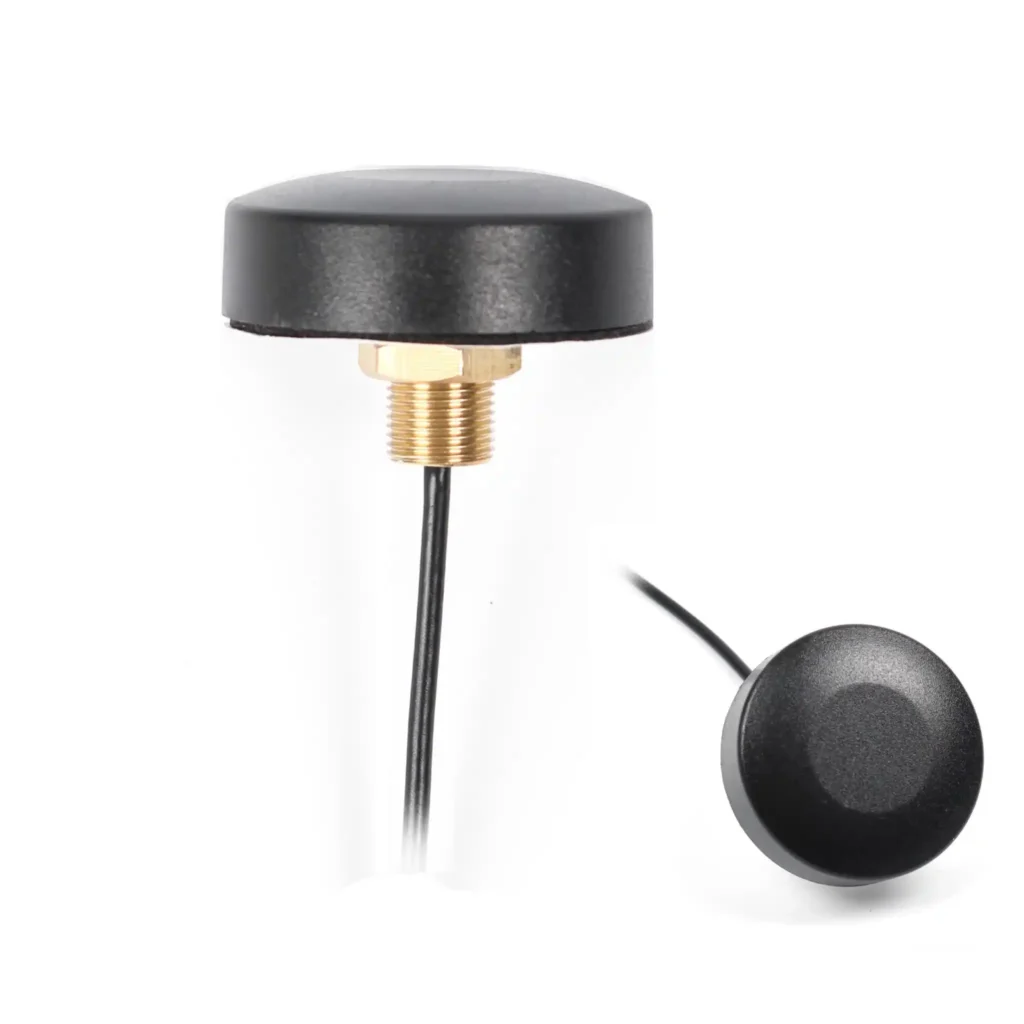
APGPS.06
GPS Antenna
1.Center Frequency(MHz):1575.42±3
2. LNA Gain(Without Cable) :28 dBi typical
3.Size(mm):Φ46 ×14.5
APGPSGlonass.06
GPS Antenna
1.Center Frequency(MHz):1575/1602
2. LNA Gain(Without Cable) :28 dBi typical
3.Size(mm):Φ46 ×14.5
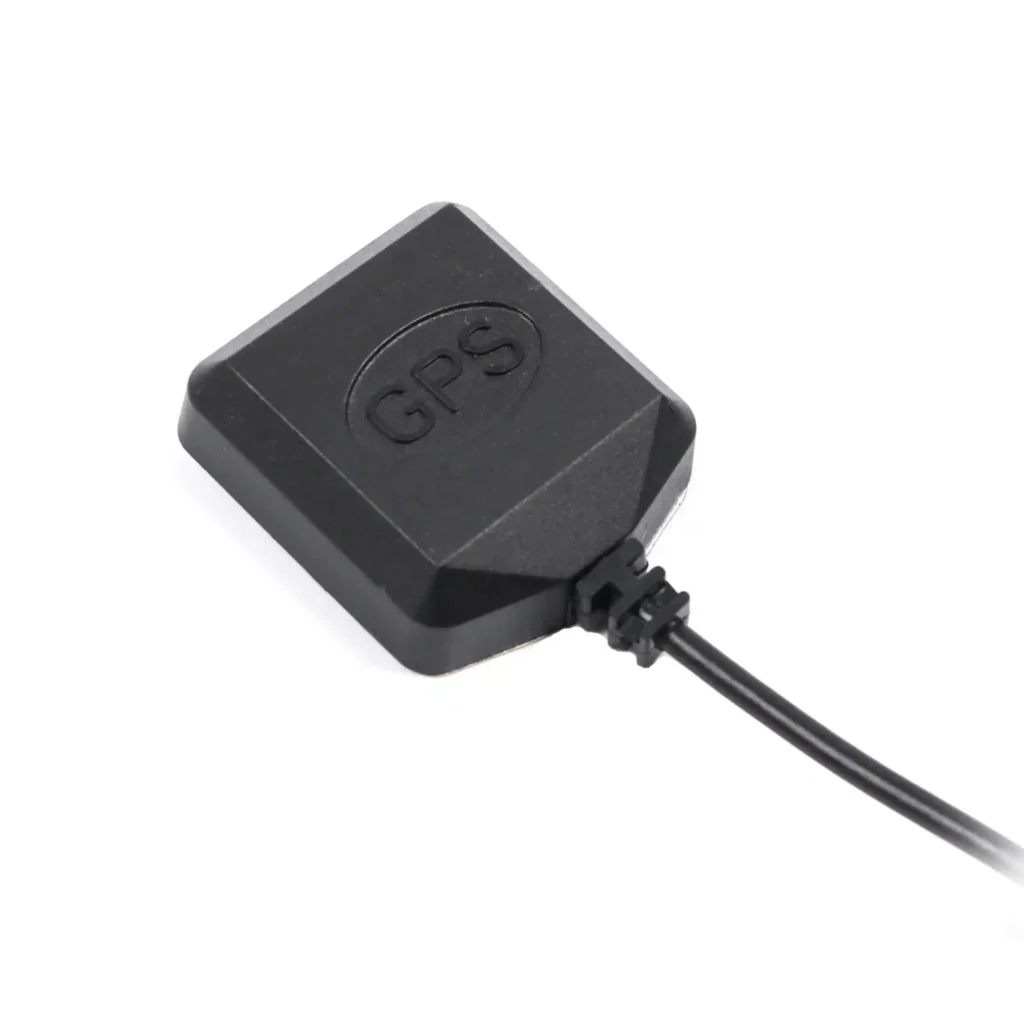
APGPS.07
GPS Antenna
1.Center Frequency(MHz):1575.42±3
2. LNA Gain(Without Cable) :28 dBi typical
3. Size(mm):37.2×34×11
APGPSGlonass.07
GPS Antenna
1.Center Frequency(MHz):1575/1602
2. LNA Gain(Without Cable) :28 dBi typical
3. Size(mm):37.2×34×11
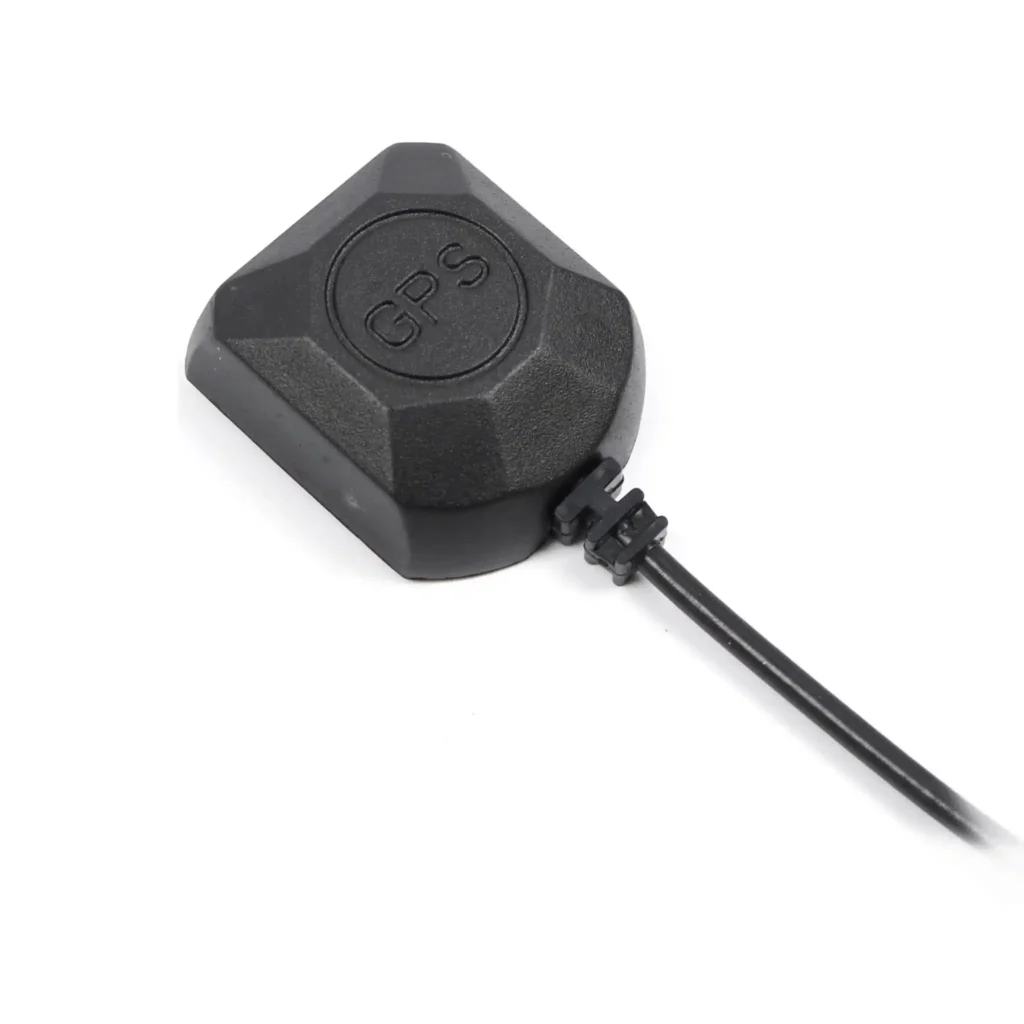
APGPS.08
GPS Antenna
1.Center Frequency(MHz):1575.42±3
2. LNA Gain(Without Cable) :28 dBi typical
3.Size(mm):34×29.8×13
APGPSGlonass.08
GPS Antenna
1.Center Frequency(MHz):1575/1602
2. LNA Gain(Without Cable) :28 dBi typical
3.Size(mm):34×29.8×13
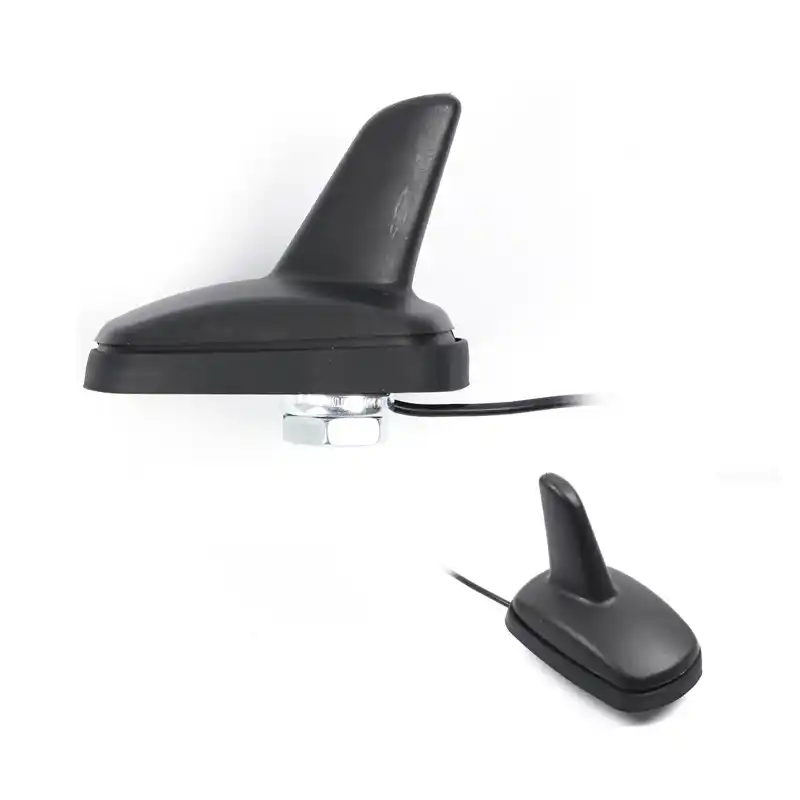
APGPS.09
GPS Antenna
1.Center Frequency(MHz):1575.42±3
2. LNA Gain(Without Cable) :28 dBi typical
3.Size(mm):84×53.8×6
APGPSGlonass.09
GPS Antenna
1.Center Frequency(MHz):1575/1602
2. LNA Gain(Without Cable) :28 dBi typical
3.Size(mm):84×53.8×62
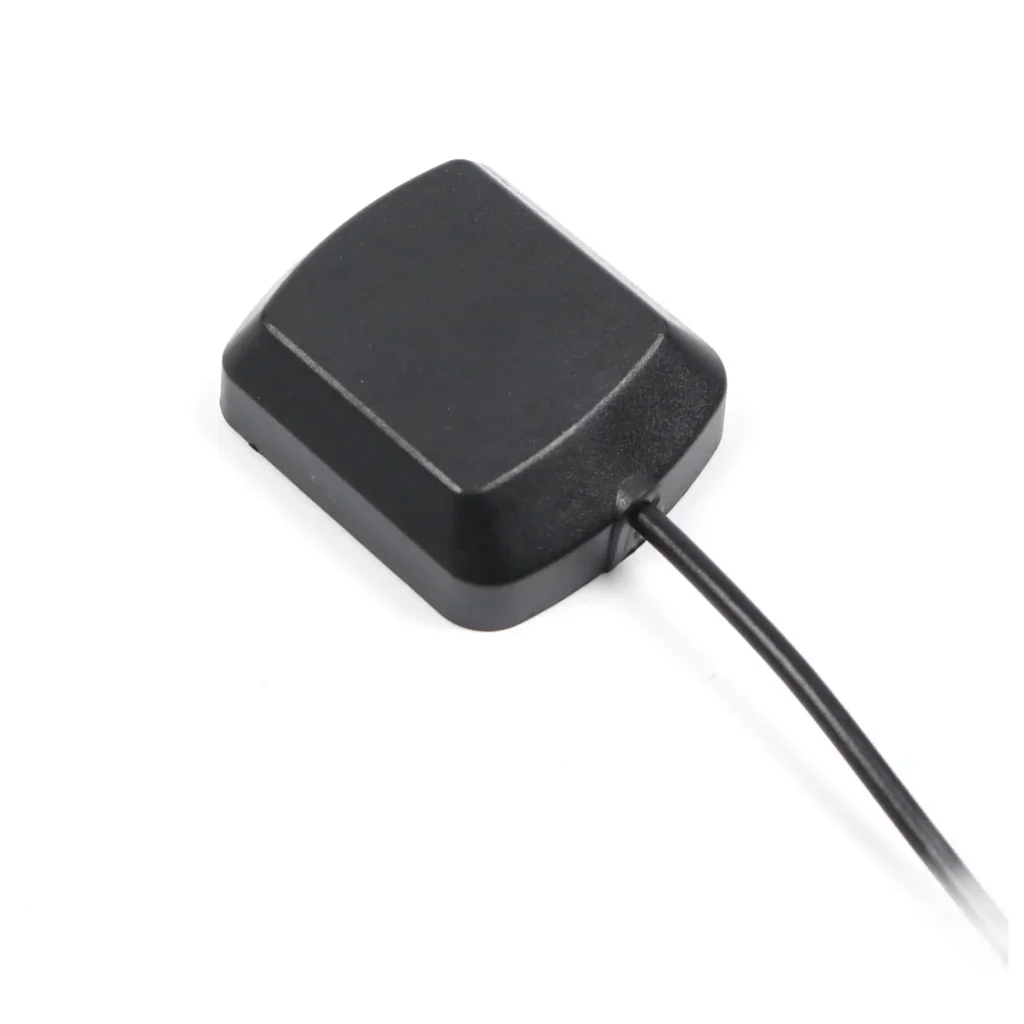
APGPS.10
GPS Antenna
1.Center Frequency(MHz):1575.42±3
2.LNA Gain(Without Cable)::28 dBi typical
3.Size(mm):42X36X13.5
APGPSGlonass.10
GPS Antenna
1.Center Frequency(MHz):1575/1602
2.LNA Gain(Without Cable)::28 dBi typical
3.Size(mm):42X36X13.5
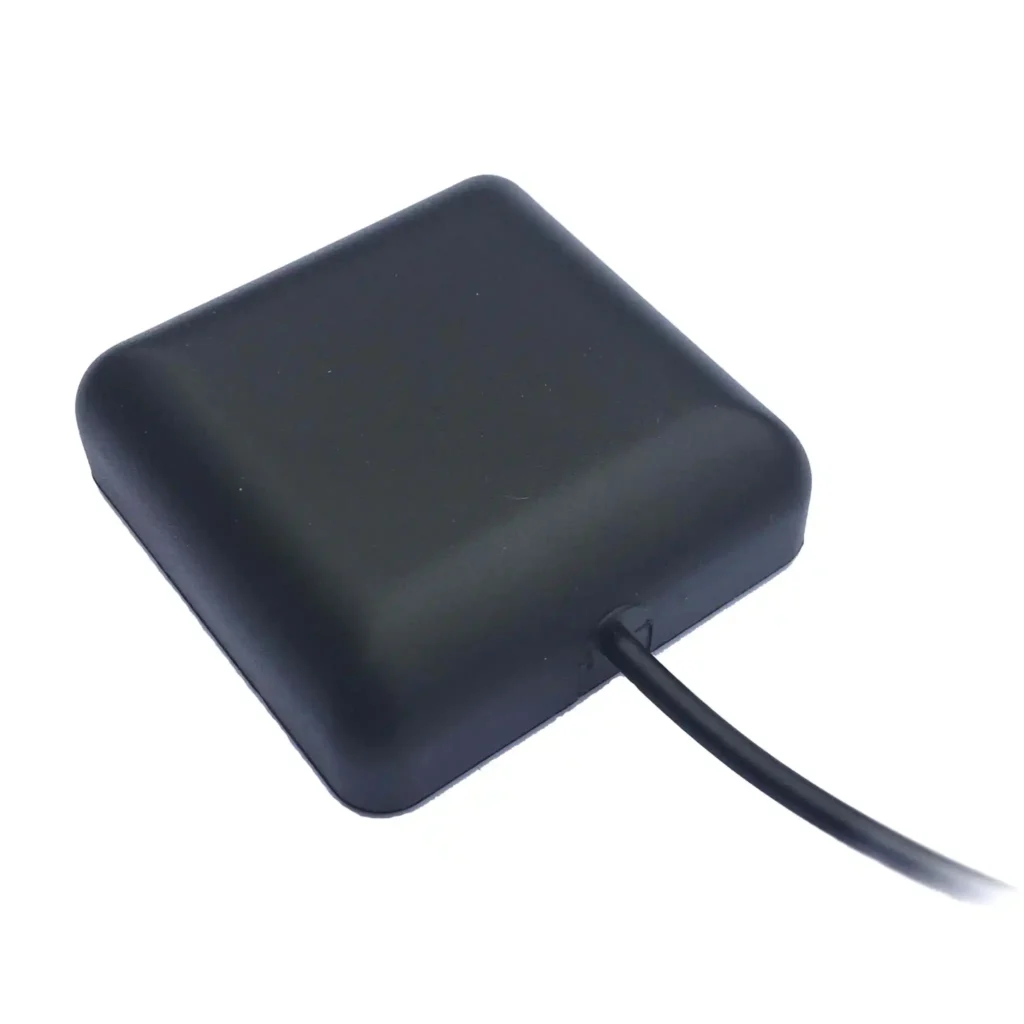
APGPS.11
GPS Antenna
1.Center Frequency 1575.42MHz±3
2. LNA Gain(Without Cable) :30 dBi typical
3.Size :50.3X50.3X15..5
APGPSGlonass.11
GPS Antenna
1.Center Frequency 1575/1602
2. LNA Gain(Without Cable) :30 dBi typical
3.Size :50.3X50.3X15..5
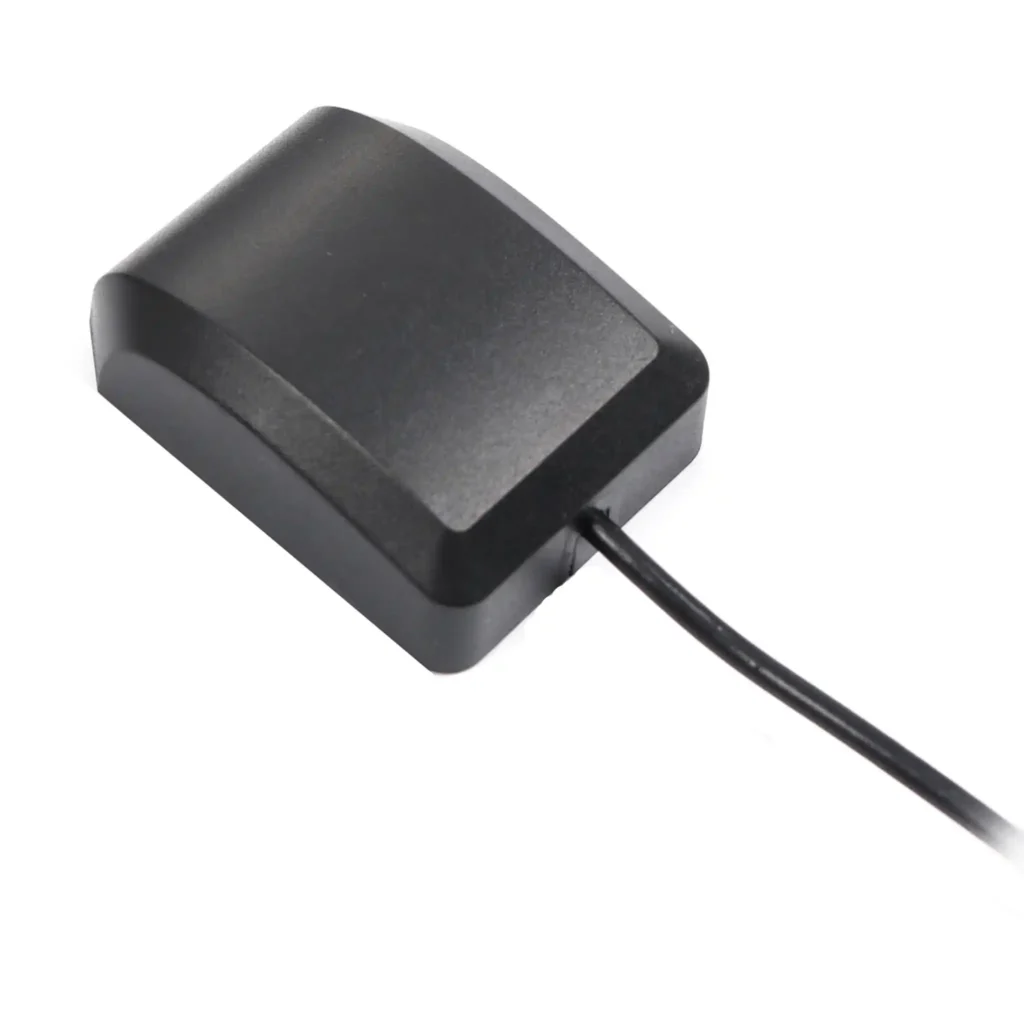
APGPS.55
GPS Antenna
1.Center Frequency(MHz):1575.42±3
2. LNA Gain(Without Cable) :18 dBi typical
3.Size(mm):50X38X17
APGPSGlonass.55
GPS Antenna
1.Center Frequency(MHz):1575/1602
2. LNA Gain(Without Cable) :18 dBi typical
3.Size(mm):50X38X17
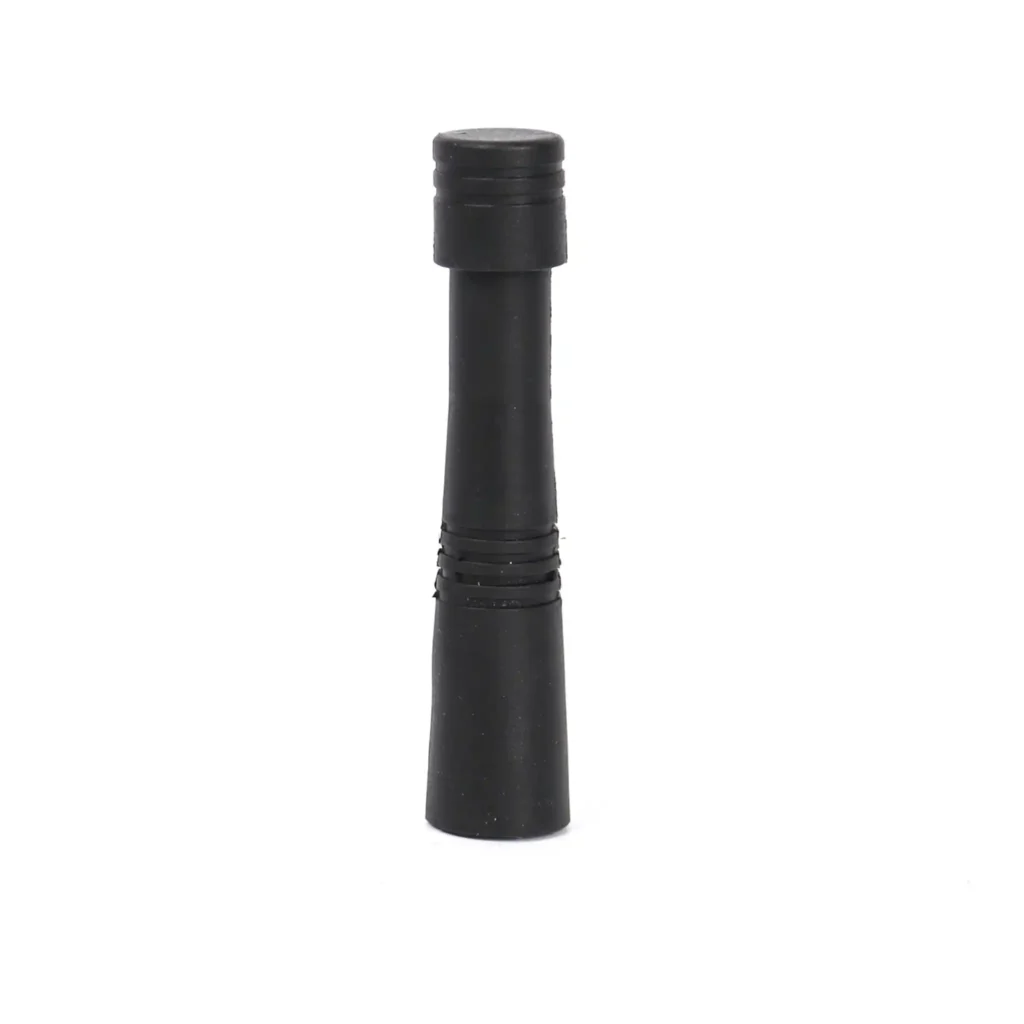
APGPS.98
GPS Antenna
1.Center Frequency(MHz):1575.42±3
2.LNA Gain(Without Cable) :28 dBi typical
3.Antenna Length (mm):63
APGPSGlonass.98
GPS Antenna
1.Center Frequency(MHz):1575/1602
2.LNA Gain(Without Cable) :28 dBi typical
3.Antenna Length (mm):63
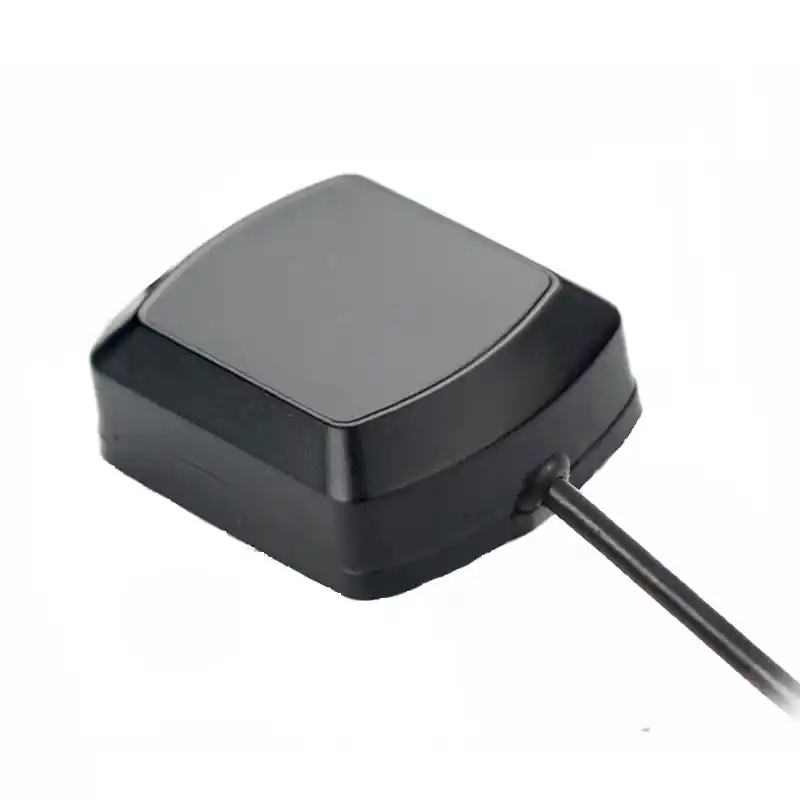
APGPS.IB888
GPS Antenna
1.Center Frequency(MHz):1575.42±3
2. LNA Gain(Without Cable) :28 dBi typical
3.Size :48X39X14.1
APGPSGlonass.IB888
GPS Antenna
1.Center Frequency(MHz):1575/1602
2. LNA Gain(Without Cable) :28 dBi typical
3.Size :48X39X14.1
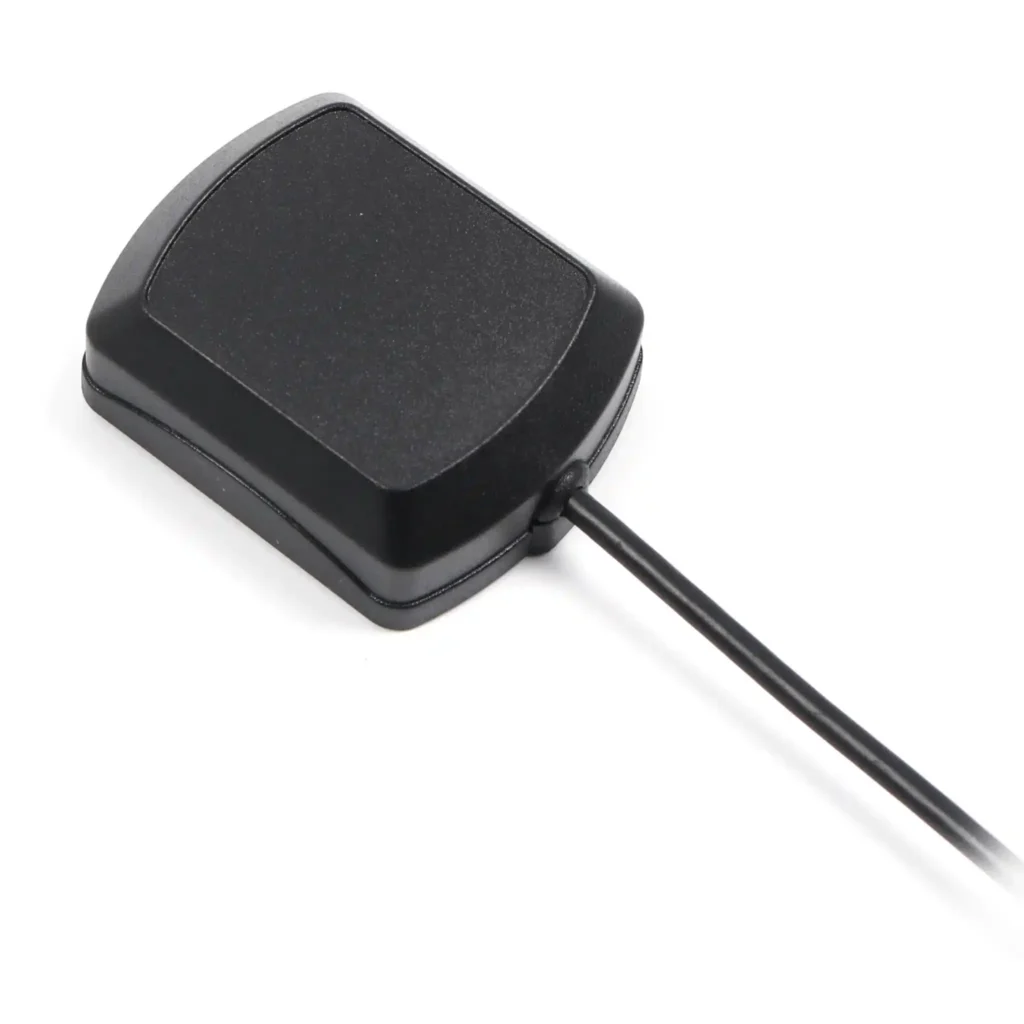
APGPS.IB999
GPS Antenna
1.Center Frequency(MHz):1575.42±3
2. LNA Gain(Without Cable) :28 dBi typical
3.Size(mm):43×35×14
APGPSGlonass.IB999
GPS Antenna
1.Center Frequency(MHz):1575/1602
2. LNA Gain(Without Cable) :28 dBi typical
3.Size(mm):43×35×14
GPS / GNSS Built-in Antenna
Built-in GPS and GNSS antennas are optimized for compact devices where space efficiency and easy integration are required. They are suitable for IoT devices, portable equipment, and embedded positioning systems.
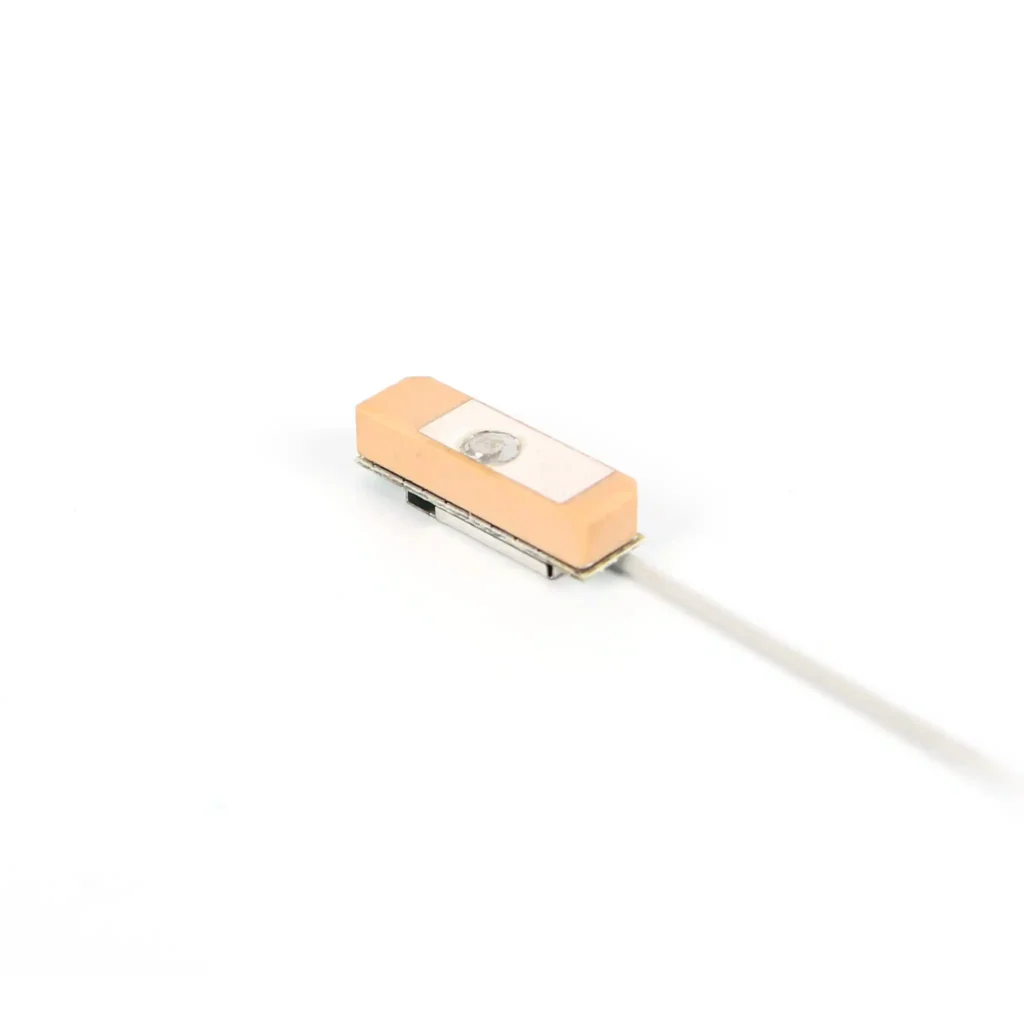
APGPS-200620A
GPS Antenna
1.Center Frequency(MHz):1575.42±2
2. LNA Gain(Without Cable) :15 dBi typical
3.Size(mm):20×6X5
APGPSGlonass-200620A
GPS Antenna
1.Center Frequency(MHz):1575/1602
2. LNA Gain(Without Cable) :15 dBi typical
3.Size(mm):20×6X5
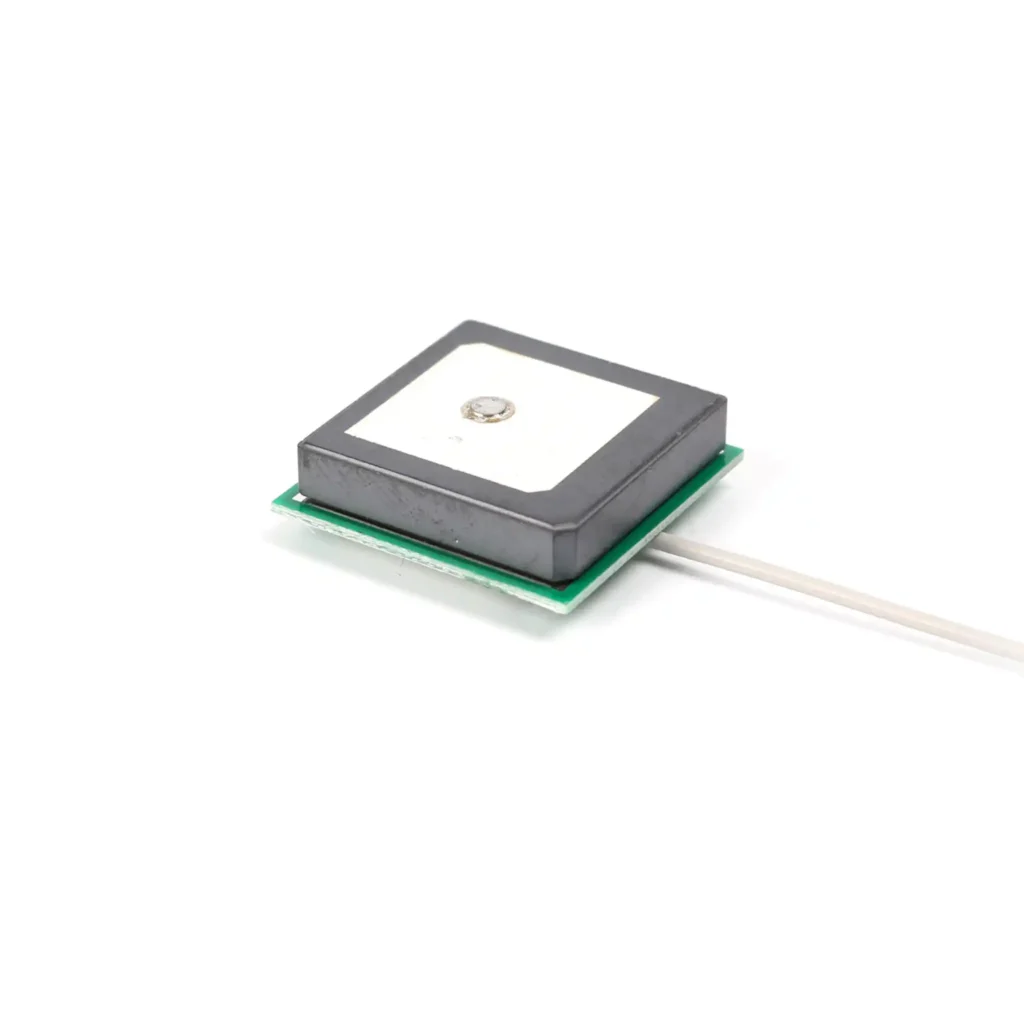
APGPS.01
GPS Antenna
1.Center Frequency(MHz):1575.42±3
2. LNA Gain(Without Cable) :28 dBi typical
3.Size 22×22X7.7mm
APGPSGlonass.01
GPS Antenna
1.Center Frequency(MHz):1575/1602
2. LNA Gain(Without Cable) :28 dBi typical
3.Size 22×22X7.7mm
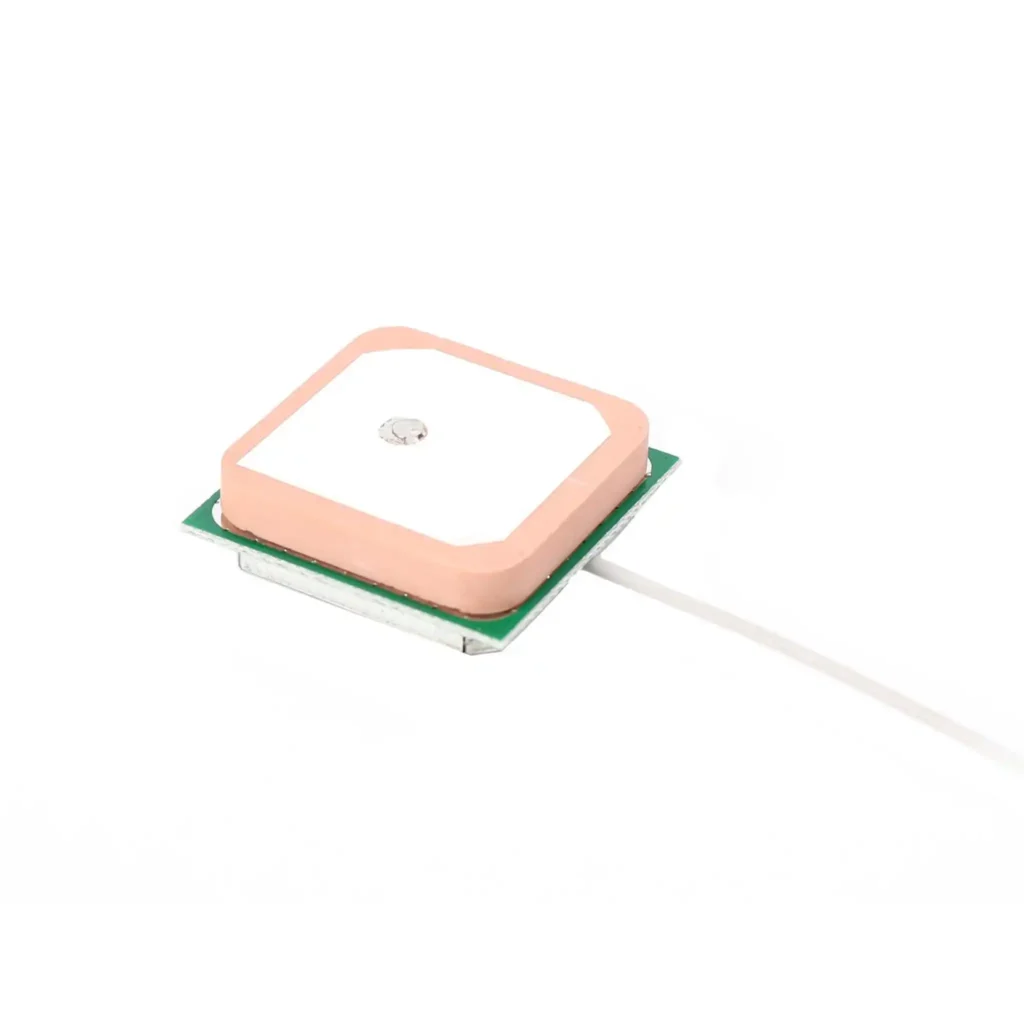
APGPS.02
GPS Antenna
1.Center Frequency(MHz):1575.42±3
2. LNA Gain(Without Cable) :28 dBi typical
3.Size(mm):27×27X8.2
APGPSGlonass.02
GPS Antenna
1.Center Frequency(MHz):1575/1602
2. LNA Gain(Without Cable) :28 dBi typical
3.Size(mm):27×27X8.2
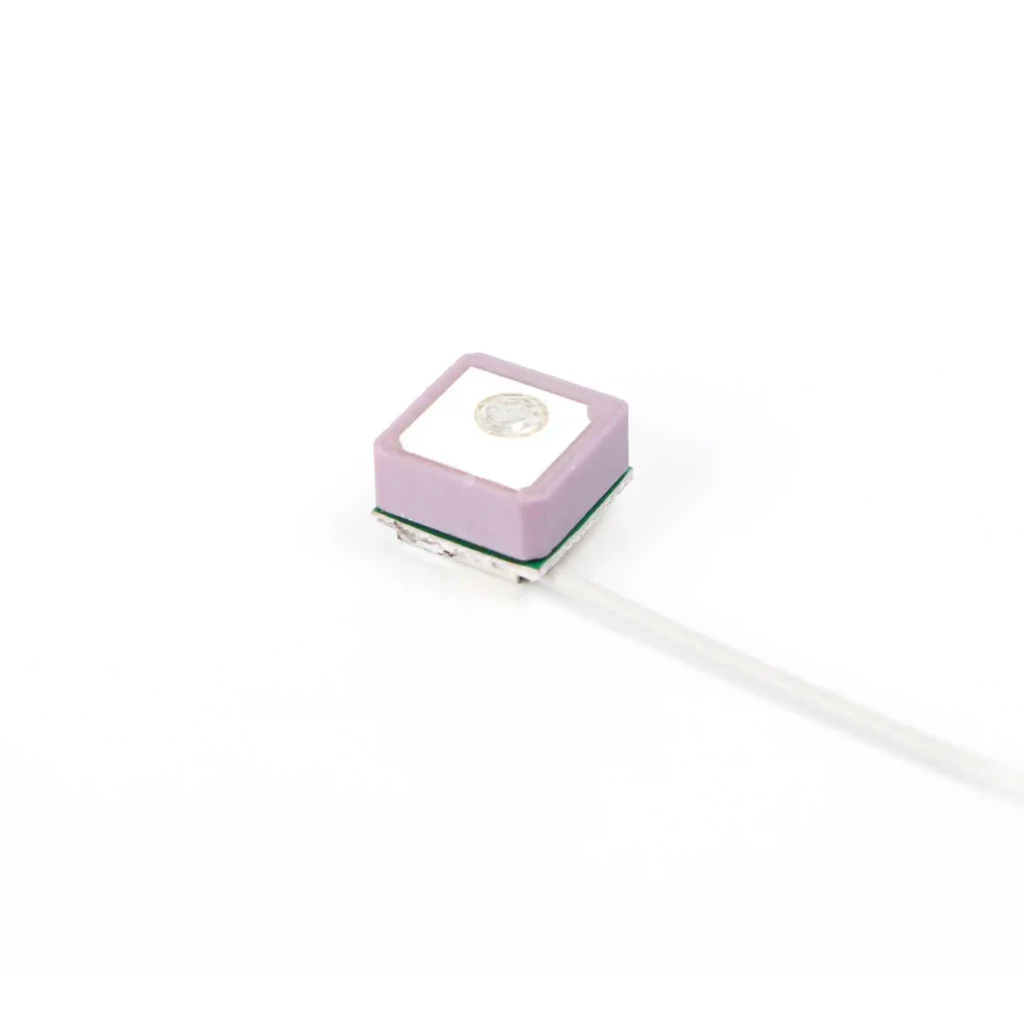
APGPS-10X10
GPS Antenna
1.Center Frequency(MHz):1575.42±3
2. LNA Gain(Without Cable) :18 dBi typical
3.Size(mm):10×10x 6.8
APGPSGlonass-10X10
GPS Antenna
1.Center Frequency(MHz):1575/1602
2. LNA Gain(Without Cable) :18 dBi typical
3.Size(mm):10×10x 6.8
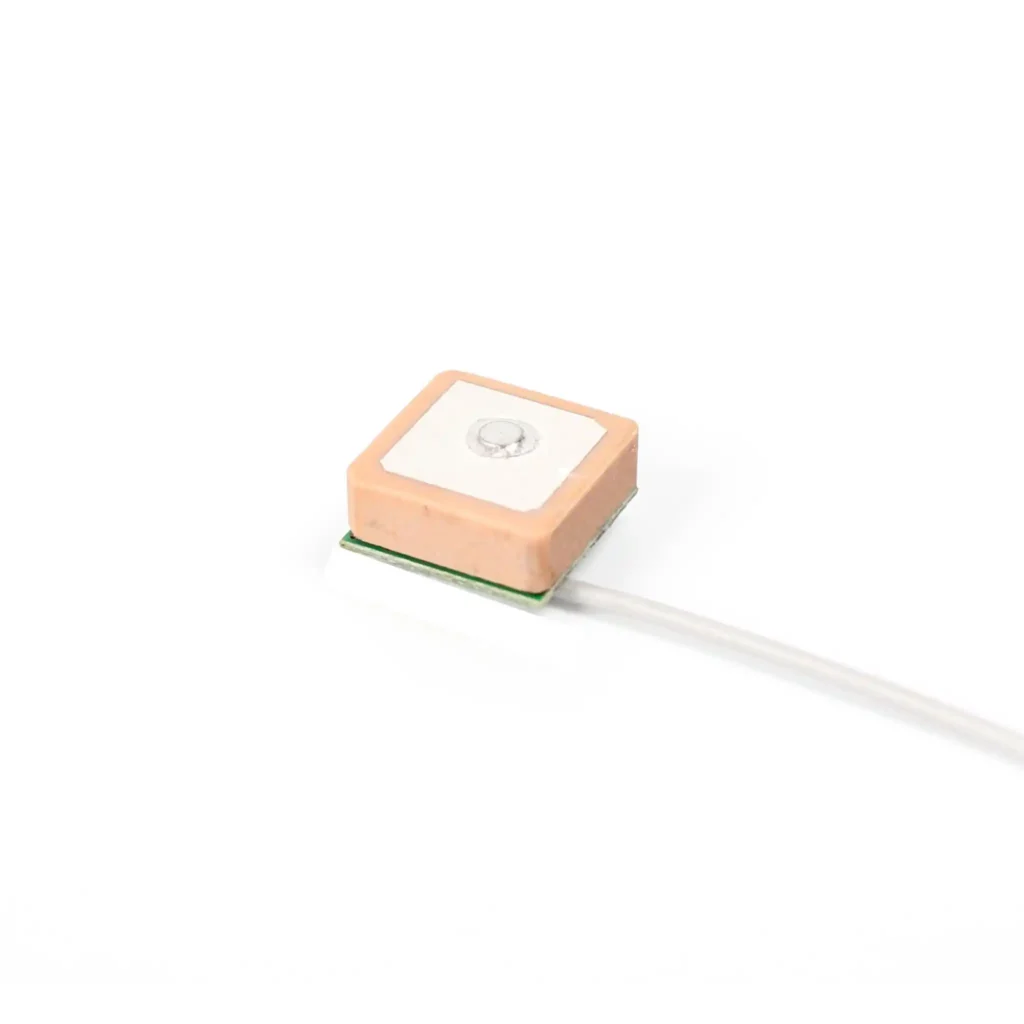
APGPS.12
GPS Antenna
1.Center Frequency(MHz):1575.42±3
2. LNA Gain(Without Cable) :18 dBi typical
3.Size(mm):12×12X 4.8
APGPSGlonass.12
GPS Antenna
1.Center Frequency(MHz):1575/1602
2. LNA Gain(Without Cable) :18 dBi typical
3.Size(mm):12×12X 4.8
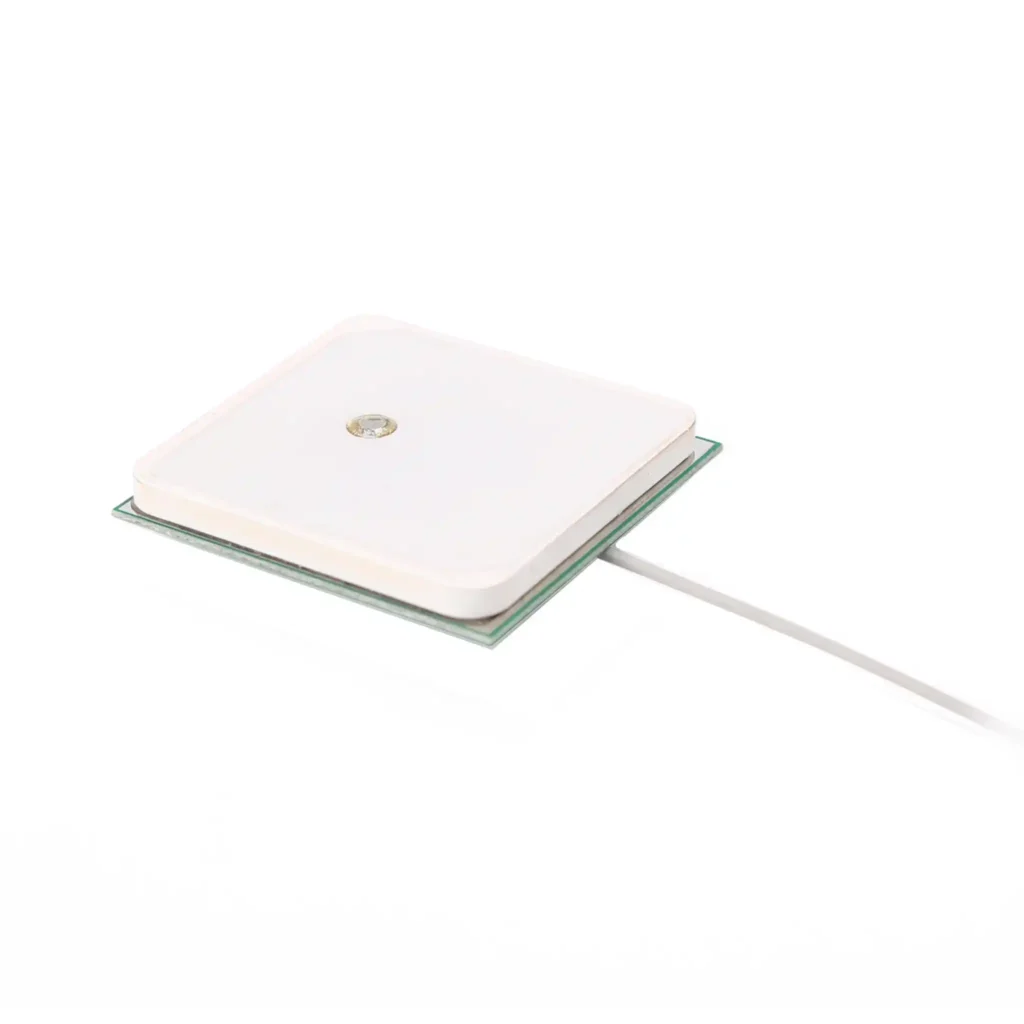
APGPS.18
GPS Antenna
1.Center Frequency(MHz):1575.42±3
2. LNA Gain(Without Cable) :28 dBi typical
3.Size(mm):36x36x7.5
APGPSGlonass.18
GPS Antenna
1.Center Frequency(MHz):1575/1602
2. LNA Gain(Without Cable) :28 dBi typical
3.Size(mm):36x36x7.5
GPS / GNSS Dielectric Antenna
Dielectric GPS GNSS antennas provide stable RF performance with compact size and high reliability. They are commonly used in precision positioning devices, wireless terminals, and embedded GNSS applications.
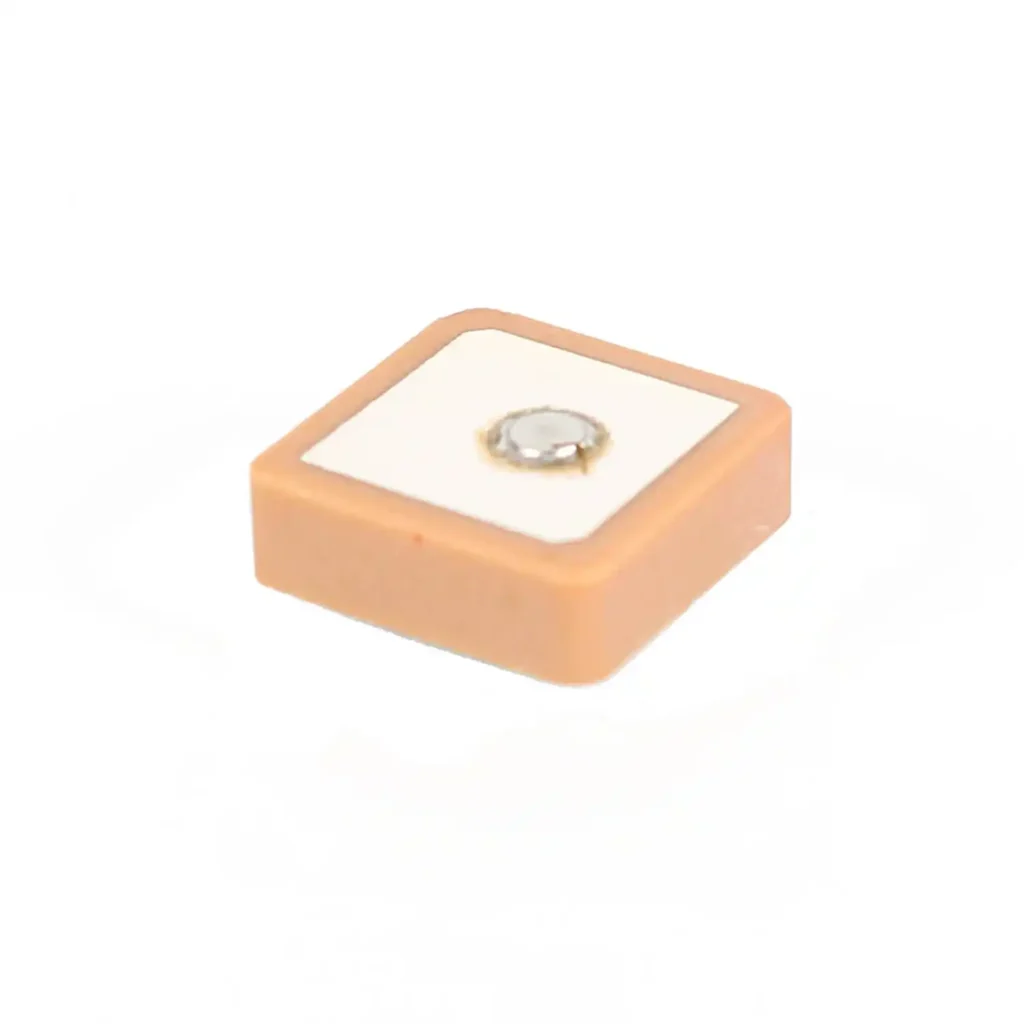
APGPS.124
GPS Antenna
1.Frequency(MHz):1575.42±3
2. Peak Gain >3dBi Based on 7cm×7cm ground plane
3.Antenna size(mm):12X12X4
APGPSGlonass.124
GPS Antenna
1.Frequency(MHz):1575/1602
2. Peak Gain >3dBi Based on 7cm×7cm ground plane
3.Antenna size(mm):12X12X4
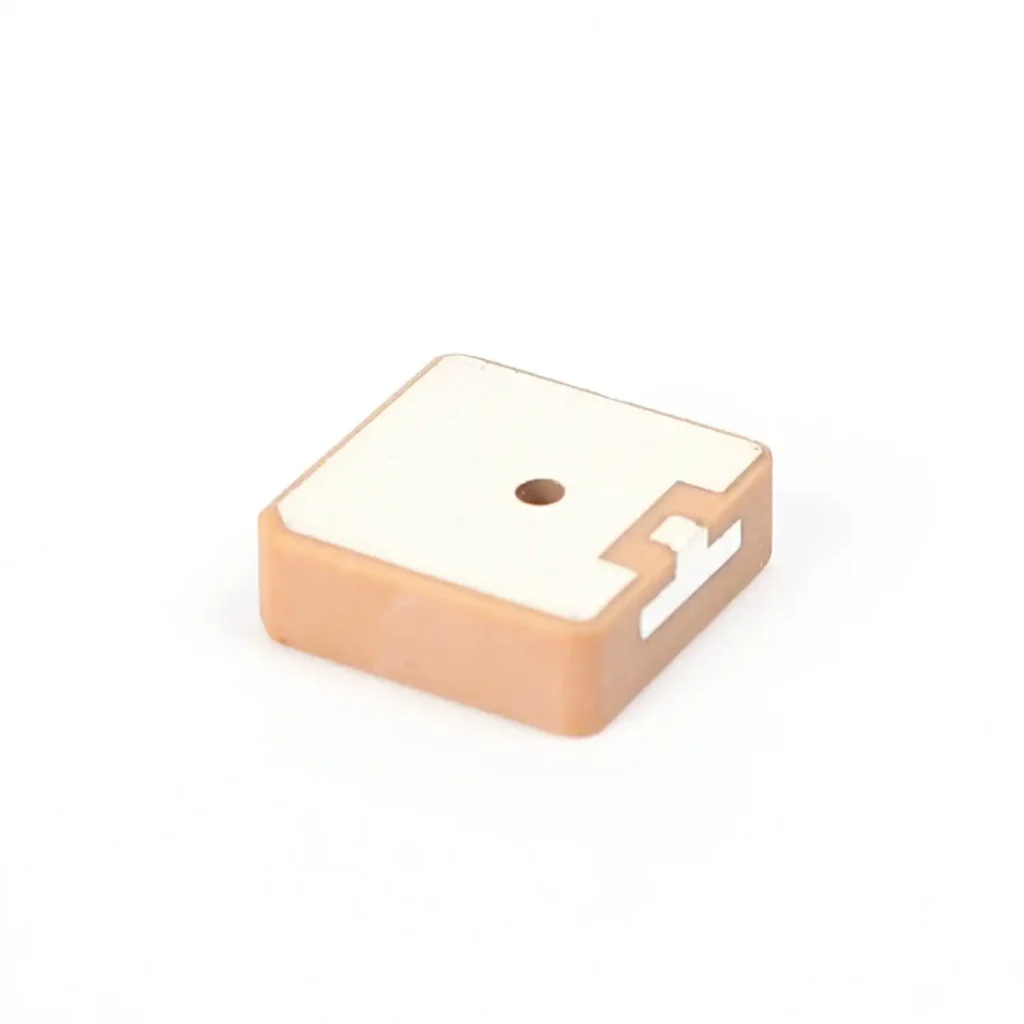
APGPS.124SMD
GPS Antenna
1.Frequency(MHz ):1575.42±
2.Gain(Zenith 9090°) dBi type : 2.0
3.Size (mm):12×12×4
APGPSGlonass.124SMD
GPS Antenna
1.Frequency(MHz ):1575/1602
2.Gain(Zenith 9090°) dBi type : 2.0
3.Size (mm):12×12×4
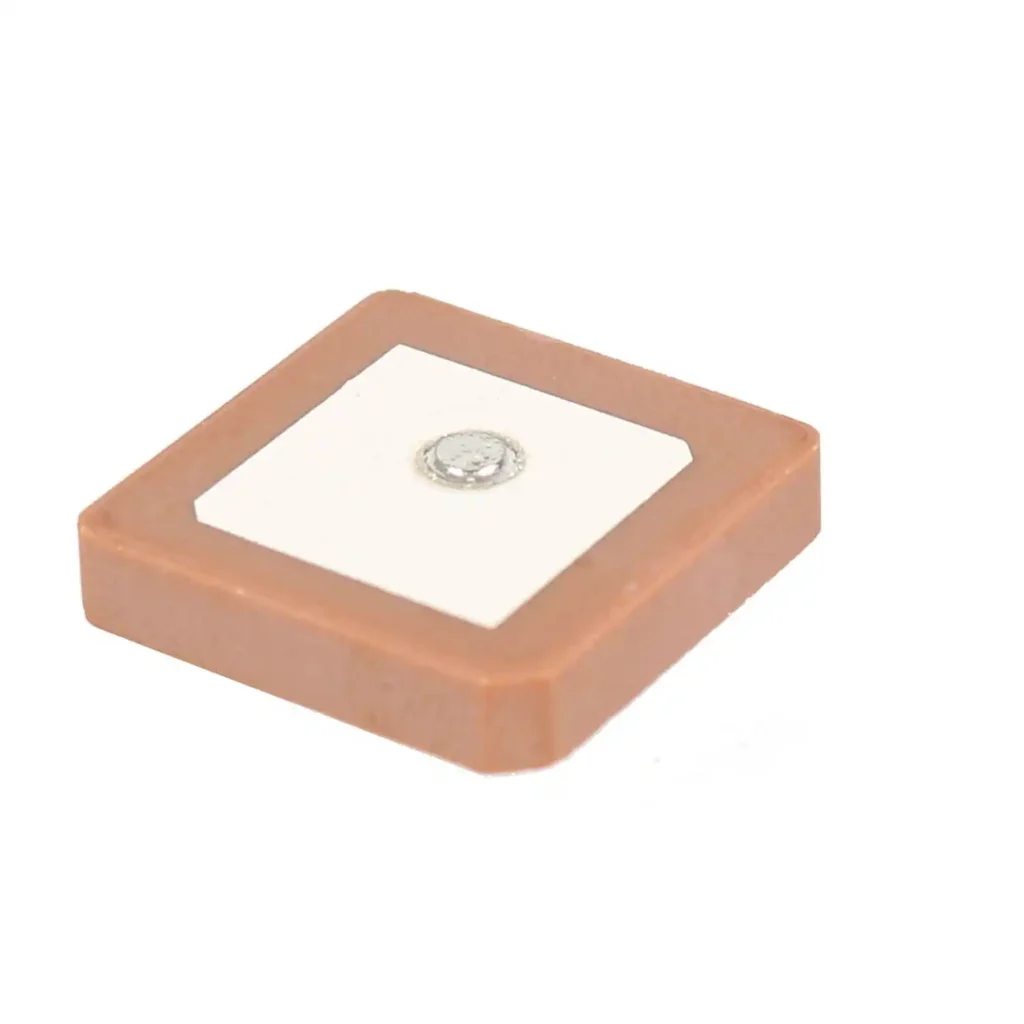
APGPS.184
GPS Antenna
1.Frequency(MHz):1575.42±3
2. Peak Gain >4dBi Based on 7cm×7cm ground plane
3.size(mm):18X18X4
APGPSGlonass.184
GPS Antenna
1.Frequency(MHz):1575/1602
2. Peak Gain >4dBi Based on 7cm×7cm ground plane
3.size(mm):18X18X4
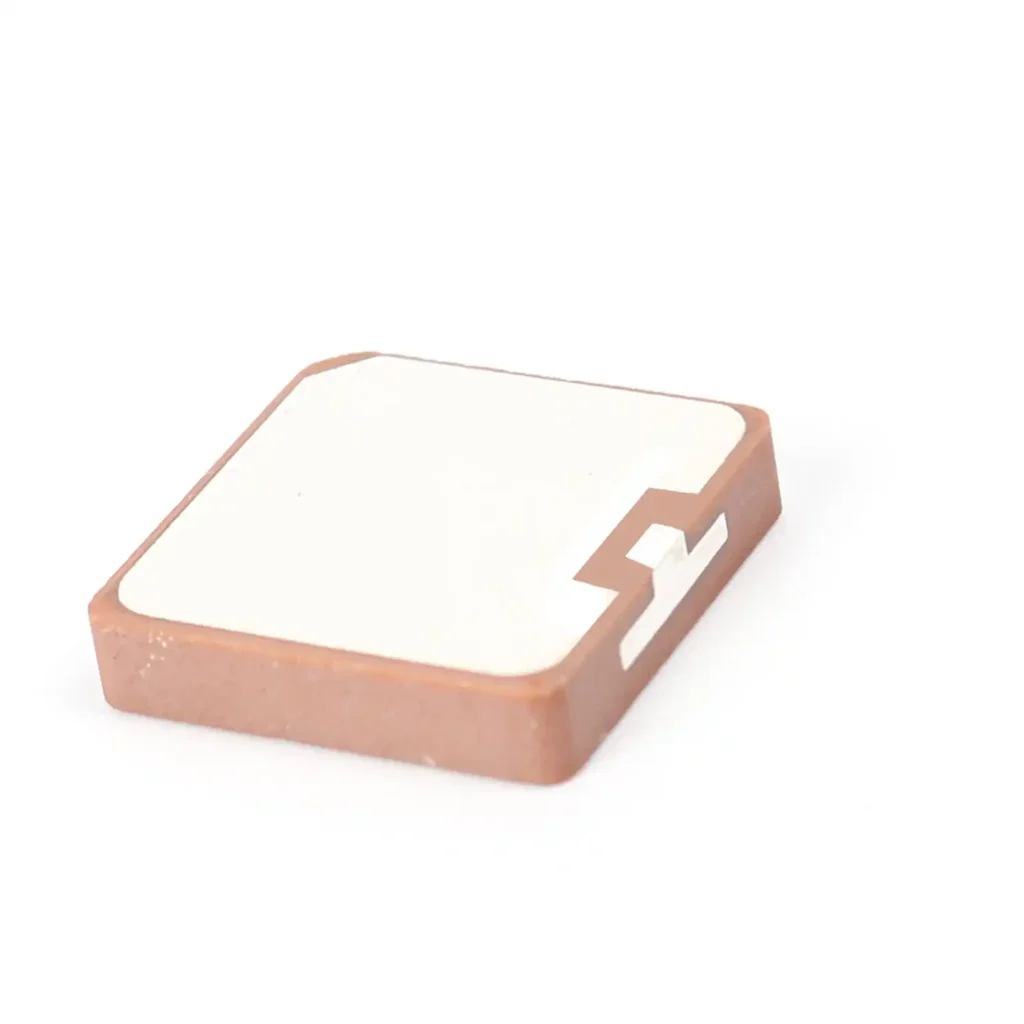
APGPS.184SMD
GPS Antenna
1.Center Frequency(MHz):1575.42±3
2.Gain(Zenith 9090°) dBi type : 2.0
3.Size (mm):18×18×4
APGPSGlonass.184SMD
GPS Antenna
1.Center Frequency(MHz):1575/1602
2.Gain(Zenith 9090°) dBi type : 2.0
3.Size (mm):18×18×4
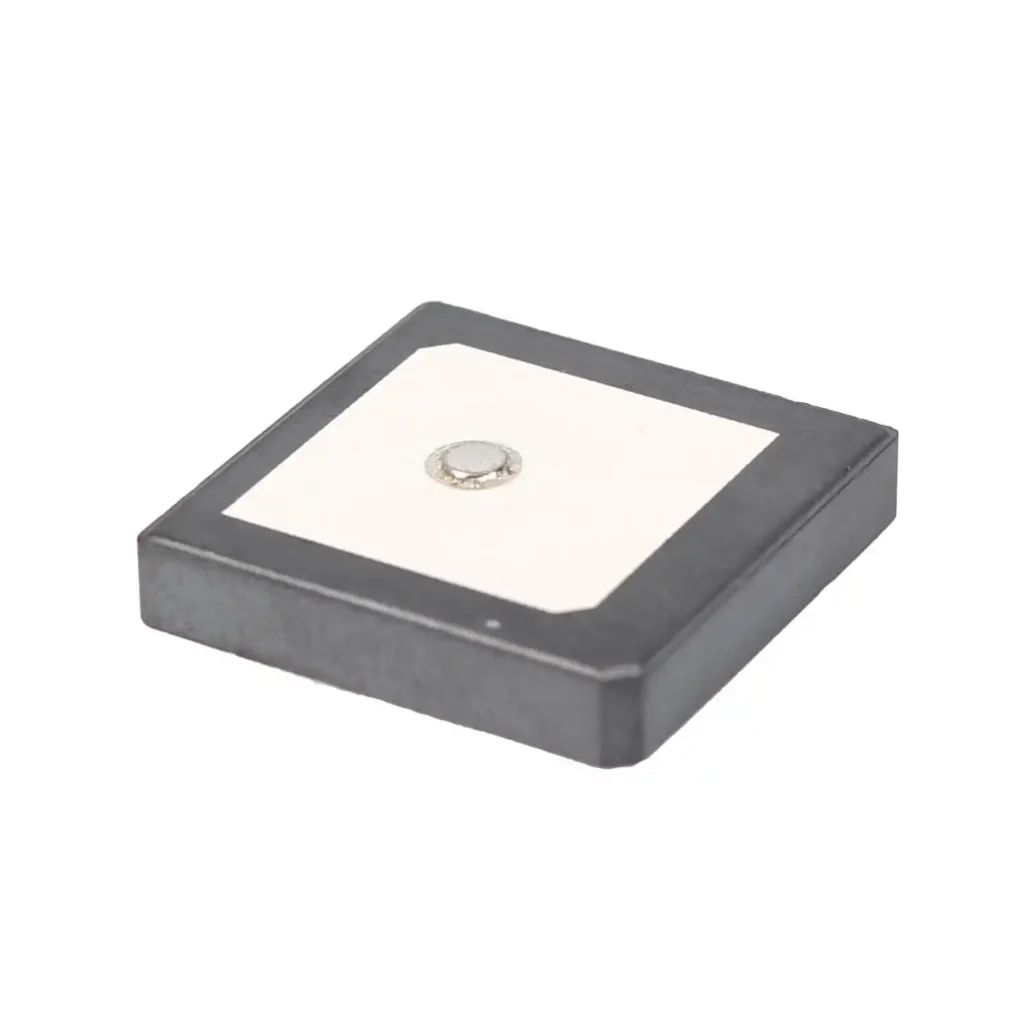
APGPS.204
GPS Antenna
1.Frequency(MHz):1575.42±3
2. Peak Gain >4dBi Based on 7cm×7cm ground plane
3.Antenna size(mm):20X20X4
APGPSGlonass.204
GPS Antenna
1.Frequency(MHz):1575/1602
2. Peak Gain >4dBi Based on 7cm×7cm ground plane
3.Antenna size(mm):20X20X4
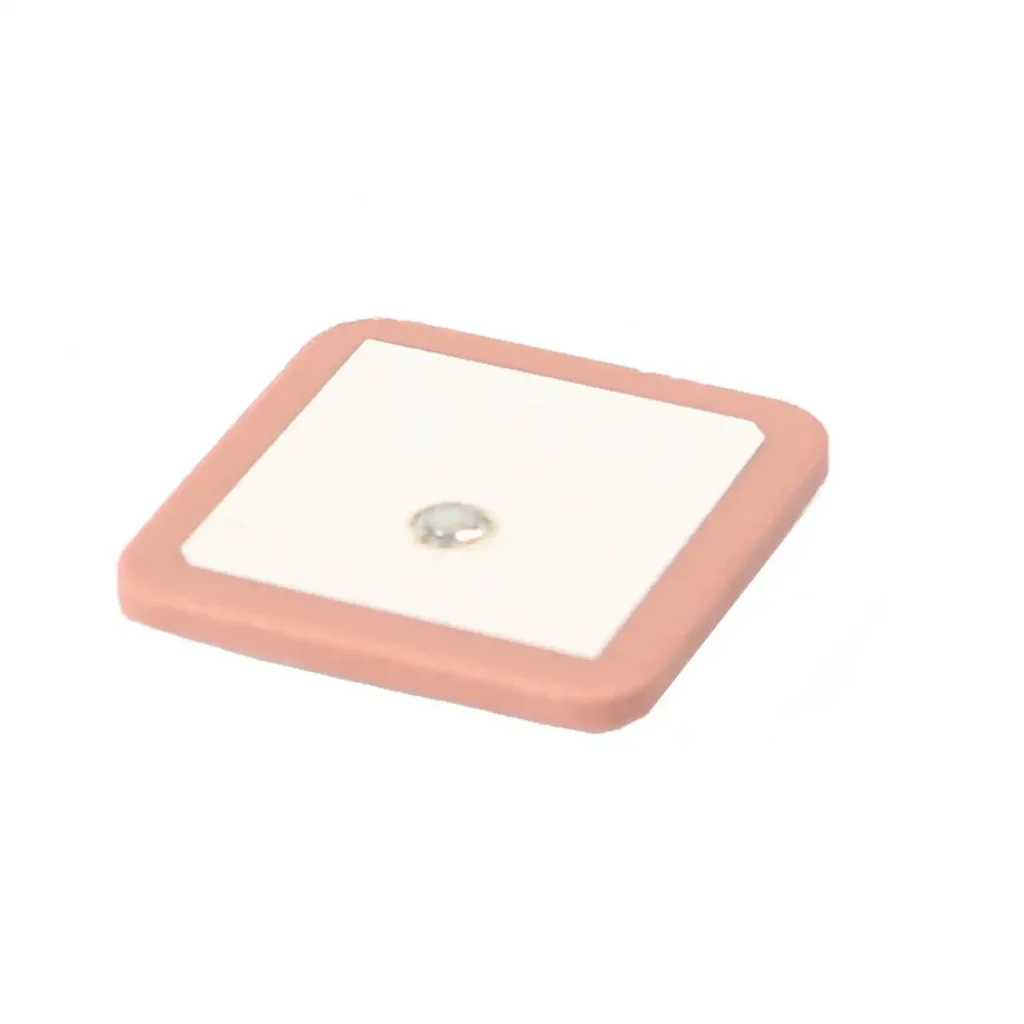
APGPS.252
GPS Antenna
1.Frequency(MHz):1575.42±3
2. Peak Gain >4dBi Based on 7cm×7cm ground plane
3.Antenna size(mm):25X25X2
APGPSGlonass.252
GPS Antenna
1.Frequency(MHz):1575/1602
2. Peak Gain >4dBi Based on 7cm×7cm ground plane
3.Antenna size(mm):25X25X2

APGPS.254
GPS Antenna
1.Frequency(MHz ):1575.42±3
2.Peak Gain >4dBi Based on 7cm×7cm ground plane
3.Size(mm ):25×25×4
APGPSGlonass.254
GPS Antenna
1.Frequency(MHz ):1575/1602
2.Peak Gain >4dBi Based on 7cm×7cm ground plane
3.Size(mm ):25×25×4
APGPS.254SMD
GPS Antenna
1.Frequency(MHz ):1575.42±3
2.Peak Gain >4dBi Based on 7cm×7cm ground plane
3.Size(mm ):25×25×4
APGPSGlonass.254SMD
GPS Antenna
1.Frequency(MHz ):1575/1602
2.Peak Gain >4dBi Based on 7cm×7cm ground plane
3.Size(mm ):25×25×4
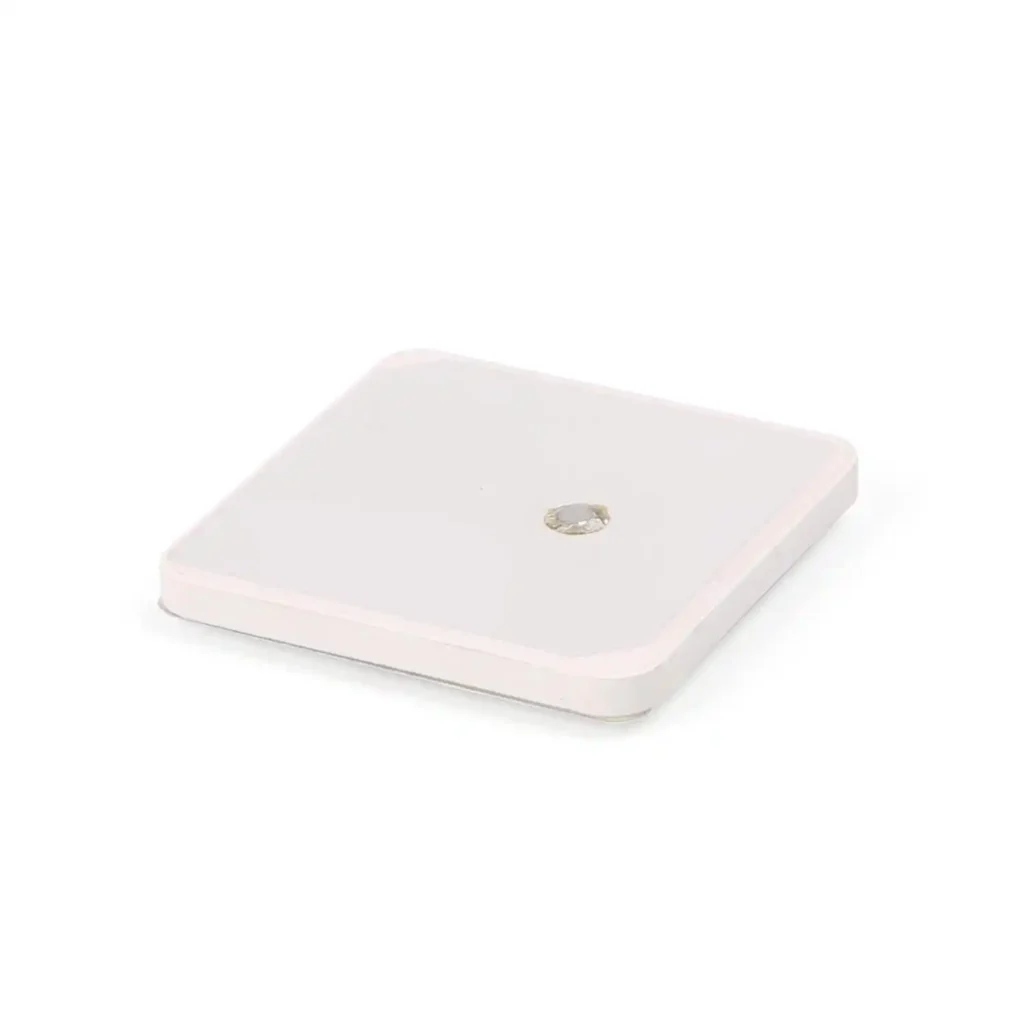
APGPS.353
GPS Antenna
1.Center Frequency(MHz):1575.42±3
2.Peak Gain >5dBi Based on 7cm×7cm ground plane
3.Size(mm):35.5×35.5×3
APGPSGlonass.353
GPS Antenna
1.Center Frequency(MHz):1575/1602
2.Peak Gain >5dBi Based on 7cm×7cm ground plane
3.Size(mm):35.5×35.5×3
Frequently Asked Questions About GPS&GNSS antennas
A GPS antenna is designed to receive signals from the U.S. GPS satellite constellation. A GNSS antenna supports multiple satellite systems, including GPS, Galileo, BeiDou, and GLONASS. Most modern positioning devices use multi-constellation GNSS receivers because they provide better satellite availability, faster positioning, and improved accuracy in challenging environments.
For most new projects, a GNSS antenna is the better choice. Modern receivers typically track several satellite constellations simultaneously, so using a GNSS antenna allows the receiver to take full advantage of available satellite signals and improve positioning reliability.
The antenna should match the frequency bands supported by the receiver. Common civilian GNSS bands include GPS L1/L2/L5, Galileo E1/E5, BeiDou B1/B2, and GLONASS G1/G2. If the antenna does not cover the required bands, the receiver may not achieve its full performance potential.
A passive antenna only receives signals and relies on the receiver for amplification. An active antenna includes an integrated low-noise amplifier (LNA) that boosts weak satellite signals before they reach the receiver. Active antennas are commonly used when cable runs are long or when signal loss needs to be minimized.
A GNSS antenna should be installed in a location with the clearest possible view of the sky. Rooftops, vehicle roofs, towers, and outdoor enclosures are common mounting locations. Nearby buildings, trees, metal structures, and other antennas can reduce signal quality and positioning accuracy.
In most cases, GNSS antennas perform best outdoors. Satellite signals are extremely weak and can be blocked by roofs, walls, and reinforced concrete structures. Indoor installations often experience reduced signal strength or complete loss of satellite visibility.
Higher gain can improve signal reception, but gain alone does not determine positioning accuracy. Factors such as antenna design, polarization, multipath rejection, frequency coverage, and installation quality often have a greater impact on real-world GNSS performance.
GNSS receivers calculate position by receiving signals from multiple satellites simultaneously. Obstructions such as buildings, bridges, containers, or dense vegetation can block satellites and reduce positioning accuracy. More visible satellites generally result in more stable positioning performance.
Yes. Modern multi-band GNSS antennas are specifically designed to receive signals from multiple satellite constellations simultaneously. This improves satellite availability and helps maintain reliable positioning in complex environments.
Start by evaluating your receiver, required frequency bands, installation environment, cable length, and positioning accuracy requirements. Vehicle tracking, precision agriculture, surveying, UAV navigation, and timing systems often require different antenna designs. Choosing an antenna that matches the application is usually more important than simply selecting the highest-gain model.
need the right antenna solution?
From standard antenna products to customized designs,Airplux provides professional antenna solutions for
different wireless communication requirements.