
8dBi UHF RFID Smart Cabinet Patch Antenna

UHF RFID Smart Cabinet Antenna
Model: APRIA9008CF
Frequency Range: 902-928MHz
Polarization: Circular
Gain: 8dBi
Product Descriptions
The APRIA9008CF 8dBi Circular Panel Antenna is a compact Smart Cabinet Patch Antenna designed for reliable UHF RFID applications in the 902-928MHz range. With 8dBi gain, circular polarization, and a 80° × 60° beamwidth, it provides stable tag detection and coverage. Its IP65-rated ABS radome makes it suitable for smart cabinets, access control, asset tracking, and other indoor or semi-outdoor RFID applications.
Descriptions
- 902-928MHz
- 8dBi
- Circular Polarization
- 220*220*24mm
Applications
- RFID logistics tracking
- Warehouse management
- Door control system
- Parking management
Product Specifications
Electrical Specifications
Frequency | 902-928MHz |
Gain | 8dBi |
Beam width | Hor:80° Ver:60° |
Polarization | Circular |
VSWR | ≤1.4 |
F/B Ratio | ≥20 |
Impedance | 50Ω |
Maximum power | 100W |
Lightning protection | DC Ground |
Connector | SMA-Male |
Mechanical Specifications
Antenna dimensions | 220*220*24mm |
Net weight | 0.7kg |
Packing size | 29*29*8cm |
Gross weight | 0.8kg |
Radome material | ABS |
Radome color | White |
Installation method | Hang mount |
Operating temperature | -20-60℃ |
IP Rating | IP65 |
Antenna Pattern


Antenna Drawing
H-Plane
E-Plane

Applications

RFID Logistics Tracking

Warehouse Management
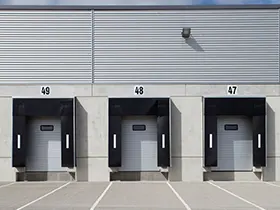
Door Control System
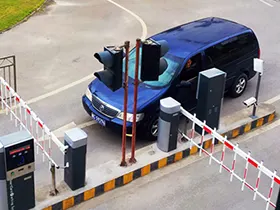
Parking Management
PRODUCT SUPPORT
FAQ - 902–928MHz UHF RFID Antenna
The 902–928MHz range is a UHF frequency band commonly used by RFID systems in the United States and certain other regions. It is also used by other license-exempt wireless devices, subject to applicable local regulations. Its sub-1GHz operating frequency offers a practical balance between antenna size and radio propagation characteristics, making it suitable for applications such as warehouse inventory, logistics tracking, asset management, and industrial identification.
Airplux offers UHF RFID antennas designed for the 902–928MHz band. When selecting an antenna, make sure its frequency range is compatible with the RFID reader, tags, and regulations in the intended market.
Choosing the right 902–928MHz RFID antenna involves more than checking its frequency range. Consider the following factors:
Gain: Determines how RF energy is distributed in the antenna’s radiation pattern.
Beamwidth: Helps define the intended horizontal and vertical coverage.
Polarization: Circular polarization can accommodate variations in tag orientation, while linear polarization can work well when tag alignment is predictable.
Installation: Consider the available mounting space, antenna orientation, and surrounding materials.
Compatibility: Check the reader’s frequency range, impedance, connector interface, and supported RF power.
The best antenna depends on the reading area, tag placement, and operating requirements of the application.
RFID antennas are installed inside or around smart cabinets to communicate with tags attached to stored items. When an item is placed in or removed from the cabinet, the RFID reader receives tag information through the antenna and sends it to inventory management soft ware. This helps record item movement, check stock levels, and identify missing or unreturned items. Antenna placement, tag orientation, cabinet materials, and reader configuration all affect reading performance.
The installation position depends on the reading area and how items move through the warehouse. Antennas may be mounted near storage areas, inventory checkpoints, or designated entry and exit points to identify tagged goods during receiving, storage, and dispatch. For hanging installations, the Airplux APRIA9008CF features a hang-mount design. Its final position should be tested with representative tags and goods to check coverage and reduce missed or unintended reads.
Yes. RFID can support parking management by identifying vehicles fitted with suitable RFID tags as they approach an access point. An antenna communicates with the vehicle tag through an RFID reader, allowing the system to verify access and record vehicle entry or exit. Antenna placement should be planned around the vehicle’s approach path, tag position, and barrier location. Actual reading performance depends on tag type, vehicle speed, installation geometry, and reader settings.
RFID antennas help identify tagged goods at designated points throughout a warehouse or logistics process. When connected to RFID readers and inventory software, they can support tasks such as receiving, stock checks, order preparation, and dispatch verification. Multiple antennas may be used to cover different reading zones, depending on the facility layout and workflow. Reliable identification depends on tag placement, antenna positioning, reader settings, and the surrounding environment.
Please feel free to contact us by info@airpluxtec.com for more detailed info if you’re interested in this Antenna, or please check here for our more UHF RFID Smart Cabinet Antenna products, or here for more RFID Products.
Contact
We are always ready to serve you.
Please feel free to contact us
for any antenna inquiry or requirement.
Leave us a message in the form below and
we will get back to you within 24 hours.