
7dBi Omni-directional UHF RFID Antenna
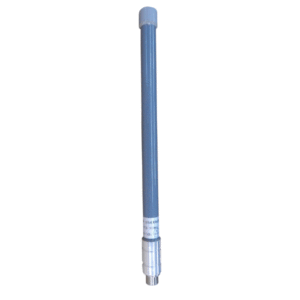
7dBi Omni-directional UHF RFID Antenna
Model: APOFA900V07
Frequency Range: 902-928MHz
Polarization: Vertical
Gain: 7dBi
Descriptions
- Omni Antenna
- 7dBi
- Vertical Polarization
- Φ20*1200mm
Applications
- Smart retail
- Freezer management
- Asset management
- Filing cabinet management
Product Descriptions
Airplux APOFA900V07 is a High Performance High Quality Omni High Gain UHF RFID Antenna.The antenna frequency range is FCC 902-928MHz, also available for ETSI 865-868MHz version.With 7dBi antenna gain, vertical polarization and low VSWR.The fiberglass antenna radome is rugged waterproof and weather resistant, the mast bracket on antenna allows you to easily install the antenna on any mast structure or attach the antenna to the exterior of a building. Standard with N-Female connector, available of any type of customized antenna connector & cable length based on the actual usage requirements and applications.
This Omni-directional UHF RFID Antenna will be good for the applications of Smart retail, Freezer management, Asset management, Filing cabinet management and so on different RFID Applications and Systems.
Product Specifications - Omni-directional UHF RFID Antenna
Model | APOFA900V07 | |
Electrical specifications | ||
Frequency range (MHz) | 902-928 | |
Polarization | Vertical | |
Gain(dBi) | 7±0.5 | |
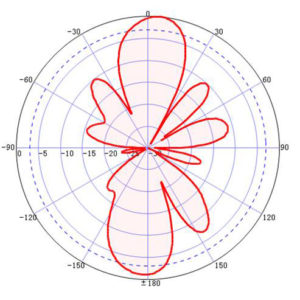
Half-power beam width(°) | Hor:360 Ver:16±3 | |
Impedance(Ω) | 50 | |
VSWR | ≤1.5 | |
Maximum input power(W) | 50 | |
Lightning protection | DC Ground | |
Mechanical specifications | |
Connector | N-Female |
Connector position | bottom |
Size(mm) | Ф20*1200 |
Antenna weight(kg) | 0.8 |
Wind loading area(㎡) | ≤0.2 |
Rated wind velocity(m/s) | 36.9 |
Radome material | Fiberglass |
Radome color | Grey |
Operating temperature(℃) | -40~55 |
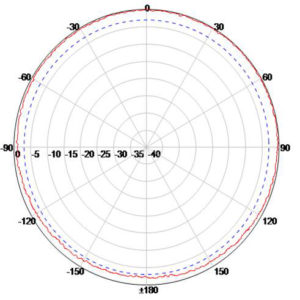
H-Plane
E-Plane
PRODUCT SUPPORT
FAQ - 902–928MHz UHF RFID Antenna
Choosing the right 902–928MHz RFID antenna involves more than checking its frequency range. Consider the following factors:
- Gain: Determines how RF energy is distributed in the antenna’s radiation pattern.
- Beamwidth: Helps define the intended horizontal and vertical coverage.
- Polarization: Circular polarization can accommodate variations in tag orientation, while linear polarization can work well when tag alignment is predictable.
- Installation: Consider the available mounting space, antenna orientation, and surrounding materials.
- Compatibility: Check the reader’s frequency range, impedance, connector interface, and supported RF power.
The best antenna depends on the reading area, tag placement, and operating requirements of the application.
The 902–928MHz band is shared by different types of wireless devices, so interference may occur when multiple systems operate nearby. In RFID installations, nearby readers and other RF sources may affect reading consistency, particularly in environments with several wireless systems.
Interference management usually involves suitable reader configuration, frequency planning, transmit power control, and frequency-hopping techniques where supported by the system. Antenna selection also matters: an appropriate radiation pattern and polarization can help control the intended reading area. Proper impedance matching supports efficient power transfer, but it does not eliminate interference from other devices.
An omni-directional RFID antenna can be installed at an asset monitoring point to identify tagged equipment and items within its effective reading area. Its 360° horizontal coverage can help detect tags approaching from different directions, making it worth considering for asset tracking in warehouses, storage areas, and facilities. The final setup depends on tag placement, antenna height, reader configuration, and the layout of nearby objects.
Yes. UHF RFID antennas can be used in freezer management systems to identify tagged goods, containers, or equipment during storage and handling. When selecting an antenna, check its operating temperature range and ensure that the tags, reader, cables, and other connected components are also suitable for the freezer environment. Condensation, moisture exposure, and changes in tag performance at low temperatures should also be considered during system testing.
A long fiberglass RFID antenna needs a suitable mounting structure and enough clearance for its physical dimensions. Before installation, check the antenna’s length, weight, mounting bracket, wind loading area, and rated wind velocity. The antenna should be securely mounted, with its cable routed to avoid excessive strain or damage. For outdoor installations, connector protection and appropriate grounding should also be included in the installation plan.
An omni-directional UHF RFID antenna with an N-Female connector requires a compatible N-Male connector on the connecting cable. Before connecting it to an RFID reader, check the connector interface, operating frequency, 50Ω impedance, and cable specifications. Cable length and quality also matter because signal loss along the cable can reduce the RF power delivered to the antenna. Any required connector adapters should be suitable for the operating frequency.
Please feel free to contact us by info@airpluxtec.com for more detailed info if you’re interested in this Omni UHF RFID Antenna, or please check here for our more RFID Antenna products.
Contact
We are always ready to serve you.
Please feel free to contact us
for any antenna inquiry or requirement.
Leave us a message in the form below and
we will get back to you within 24 hours.