
7dBi ETSI UHF Integrated RFID Reader Antenna
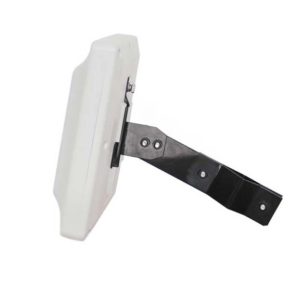
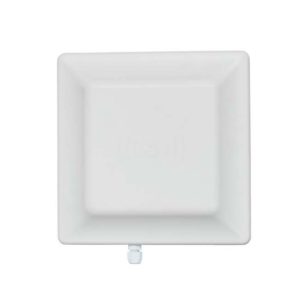
UHF Integrated RFID Reader Antenna
Model: APRIA8007CD
Frequency Range: 865-868MHz
Polarization: Circular
Gain: 7dBi
Descriptions
- 865-868MHz
- 7dBi
- Circular Polarization
- 220*220*55mm
Applications
- RFID logistics tracking
- Warehouse management
- Door control system
- Man management system
Electrical Specifications | |
Frequency | 865-868MHz |
Gain | 7dBi |
Beam width | Hor:60° Ver:60° |
Polarization | Circular |
VSWR | ≤1.4 |
F/B Ratio | ≥20 |
Impedance | 50Ω |
Maximum power | 50W |
Lightning protection | DC Ground |
Connector | Customized |
Mechanical Specifications | |
Dimension | 220*220*55mm |
Net weight | 0.62kg |
Packing size | 40.5*30.5*10.5cm |
Gross weight | 1.5kg |
Radome material | ABS |
Radome colour | White |
Pole Diameter | Φ30-50mm |
Rated wind velocity | 60m/s |
Operating temperature | -40-70℃ |
PRODUCT SUPPORT
FAQ - ETSI UHF Integrated RFID Reader Antenna
The 865–868MHz frequency band is commonly used for UHF RFID applications in Europe and other markets that adopt this frequency range. It supports applications such as inventory management, asset tracking, logistics, access control, and automatic identification. Before selecting an RFID antenna, check that its frequency range matches the local regulations, RFID reader, and tags used in the system.
No. An 865–868MHz RFID antenna is designed to operate within a specific frequency range, so it must be matched with a reader that supports the same band. You should also check the antenna impedance, connector, cable, and maximum input power. The RFID tags must operate within the reader’s supported frequency range as well. Always confirm compatibility using the specifications of all three components.
Yes. RFID can help businesses record item movements between designated warehouse zones, such as receiving, storage, picking, and dispatch areas. By placing RFID identification points at relevant locations, businesses can maintain more accurate movement records and improve inventory visibility. The system layout should reflect the actual movement paths of goods.
An RFID system can identify tagged cards or badges when people pass through a designated entrance. The reader sends the identification data to an access control system, which can check permissions and record entry events. The antenna supports tag identification, while access authorization and door operation are handled by the connected system.
Inconsistent reads may result from unsuitable tag placement, changing tag orientation, high tag density, nearby metal or liquid materials, or incorrect reader configuration. Antenna positioning and the movement speed of tagged items can also affect performance. Testing with representative products under normal operating conditions helps identify the cause.
Position the antenna according to the direction and path of the tagged items, rather than choosing a mounting location based only on convenience. Consider the distance between the antenna and tags, nearby reflective materials, and the possibility of reading items outside the intended area. On-site testing is necessary to determine a suitable installation position.
Please feel free to contact us by info@airpluxtec.com for more detailed info if you’re interested in this Antenna, or please check here for our more ETSI UHF Integrated RFID Reader Antenna products.
Contact
We are always ready to serve you.
Please feel free to contact us
for any antenna inquiry or requirement.
Leave us a message in the form below and
we will get back to you within 24 hours.