
DAS & Small Cell Applications and Solutions
DAS & Small Cell
Applications & solutions
DAS and Small Cell solutions deliver dedicated in-building coverage and capacity where macro networks fall short — ensuring seamless connectivity in high-density venues, eliminating dead zones in complex structures, and meeting public safety requirements across every deployment.
Common DAS & Small Cell Applications and Solutions
Tailored DAS and Small Cell solutions for the coverage, capacity, and compliance needs of each application.
Hospitality
- Hotels
- Resorts
- Conference Hotels
Stadiums & Large Venues
- Stadiums
- Arenas
- Convention Centers
Education & Campuses
- Universities
- College Campuses
- Large Educational Facilities
Commercial & Retail Buildings
- Office Towers
- Corporate Offices
- Shopping Malls
- Retail Centers
Transportation Hubs & Infrastructure
- Airports
- Railway Stations
- Bus Terminals
- Metro & Underground Transit
Healthcare Facilities
- Patient Rooms & Waiting Areas
- Clinical & Treatment Areas
- Medical Imaging & Radiology Departments
- Emergency Departments & Critical Care Units
Why DAS & Small Cells Are Needed
DAS and Small Cells help address wireless coverage and capacity challenges in buildings, public venues, and other demanding environments. They support more consistent cellular connectivity by extending coverage into hard-to-reach areas and providing additional capacity where network demand is high.
Multi-Floor Coverage
Distribute wireless signals across multiple floors and complex indoor layouts to maintain connectivity throughout large buildings.
Indoor Coverage
Extend cellular signals into indoor areas where outdoor networks struggle to reach, including deep indoor spaces and enclosed rooms.
Network Capacity
Support wireless connectivity in busy locations where many users and devices require simultaneous network access.
Localized Coverage
Address specific coverage gaps in underground levels, enclosed rooms, and isolated areas where cellular signals are weak.
How DAS & Small Cell Is Used Across Industries
DAS and Small Cell deployments vary across industries and environments. Each presents different requirements for coverage, capacity, public safety, and antenna placement. Explore how these systems are used across six industries and the deployment factors that shape antenna selection.
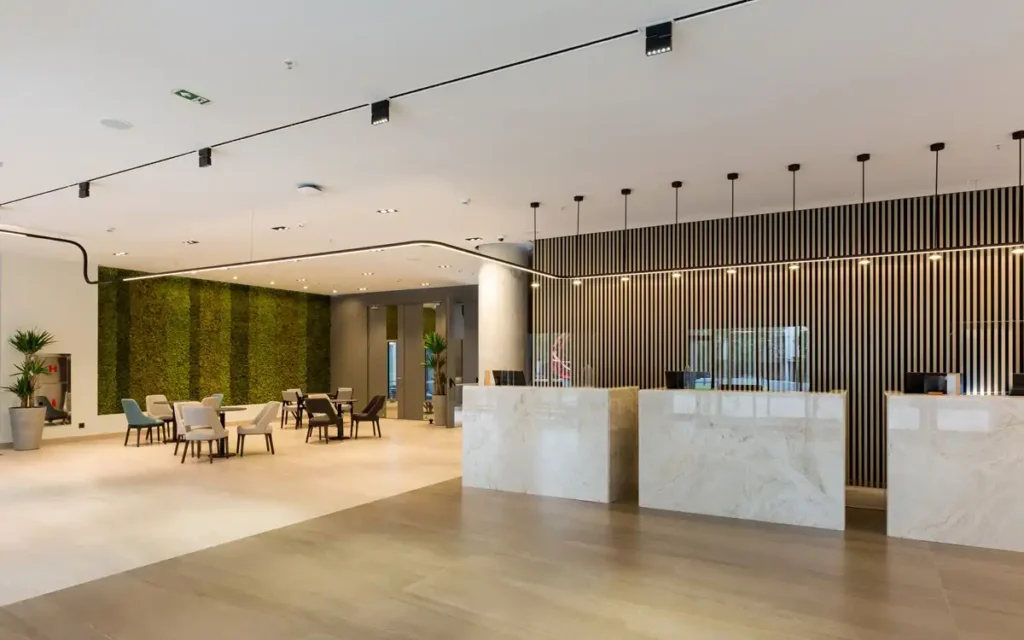
Hospitality
Hotels and resorts require reliable cellular coverage across guest rooms, lobbies, conference areas, and other shared spaces, including back-of-house corridors and meeting facilities. Signal strength can vary between floors and rooms due to walls, building materials, and the multi-floor layout of the property.
DAS and Small Cell deployments can help address coverage gaps in these areas. Antenna placement should account for room layouts, public spaces, building structure, installation constraints, and the coverage requirements of each zone.
Key Deployment Considerations:
Room-to-Room Coverage | Multi-Floor Layouts | Antenna Placement | Guest Density
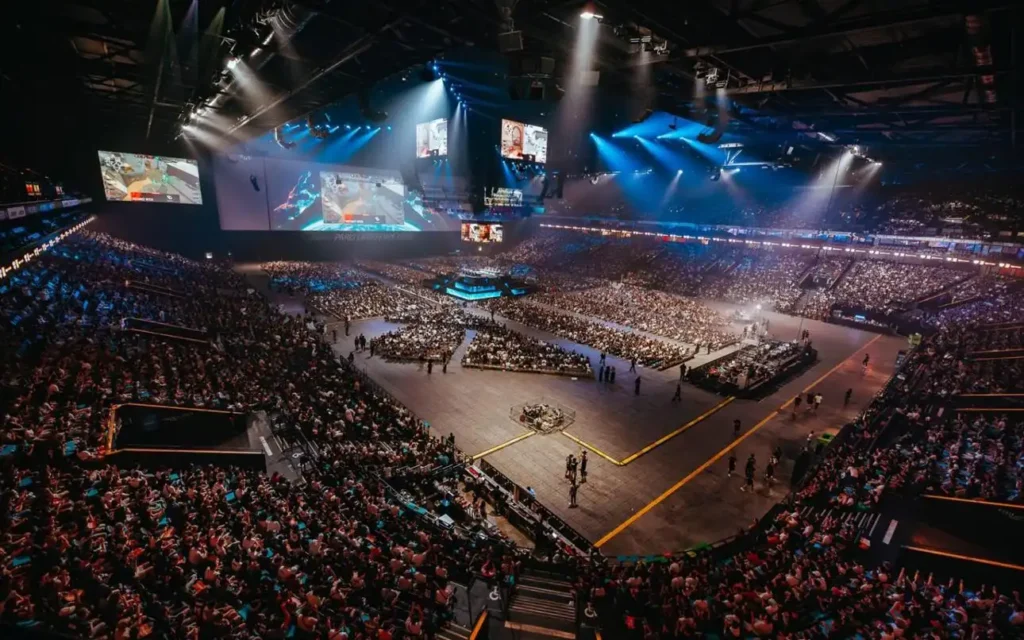
Stadiums & Large Venues
Stadiums, arenas, and convention centers bring large numbers of people into concentrated areas during events and peak periods, creating high demand for cellular connectivity. Seating structures, concrete and steel enclosures, and event layouts can make consistent coverage and capacity more challenging.
DAS and Small Cell solutions can help support wireless connectivity across seating bowls, concourses, and event spaces. Deployment planning should consider audience density, venue layout, multi-operator requirements, and the distribution of coverage zones.
Key Deployment Considerations:
High User Density | Large Coverage Areas | Seating & Structural Layout | Capacity Distribution

Education & Campuses
Universities and large educational facilities include classrooms, lecture halls, libraries, laboratories, student areas, and campus buildings of varying age and construction. Wireless coverage needs can vary across buildings, floors, and spaces with different levels of occupancy.
DAS and Small Cell deployments can help extend cellular coverage across campus buildings, indoor learning spaces, and outdoor areas between facilities. Antenna placement should reflect building layouts, construction materials, indoor coverage needs, and areas with higher concentrations of users.
Key Deployment Considerations:
Multi-Building Coverage | Indoor Signal Distribution | Antenna Placement | Occupancy Levels
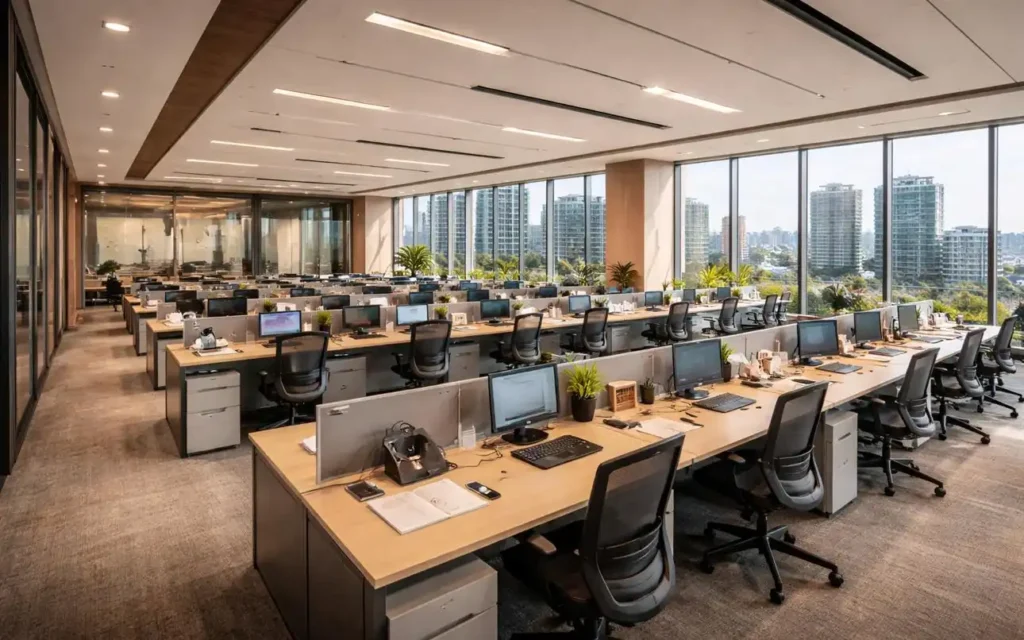
Commercial & Retail Buildings
Office towers and shopping malls contain multiple floors, enclosed areas, elevators, parking structures, and dense interior structures that can affect cellular signal propagation. Busy offices and retail spaces may also require additional capacity during peak hours and shopping periods.
DAS and Small Cell solutions can help improve coverage in offices, meeting rooms, retail floors, back-of-house areas, and other indoor spaces. Deployment should consider floor layouts, structural obstructions, ceiling heights, user density, and antenna locations.
Key Deployment Considerations:
Multi-Floor Coverage | Structural Obstructions | Peak User Demand | Antenna Placement
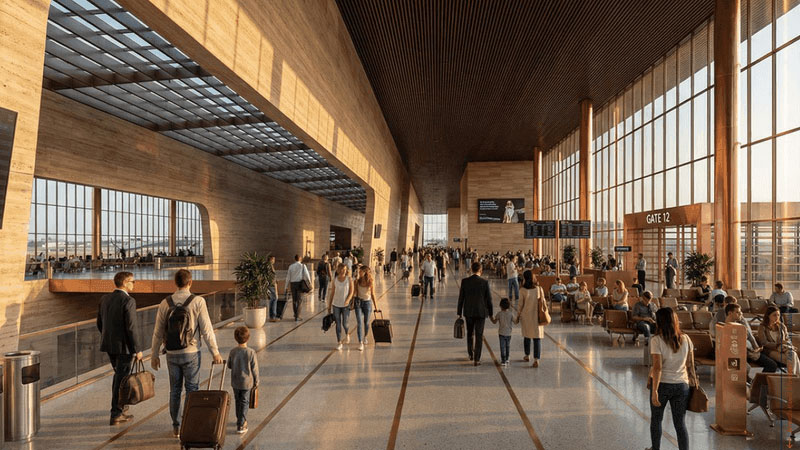
Transportation Hubs & Infrastructure
Airports, railway stations, bus terminals, and underground transit facilities serve large numbers of passengers across terminal buildings, platforms, tunnels, and extensive underground spaces. Concrete structures, enclosed platforms, long tunnels, and changing passenger density can create challenging coverage conditions.
DAS and Small Cell deployments can help provide cellular coverage across terminals, platforms, concourses, and passenger routes. Antenna placement and deployment design should account for facility layout, structural barriers, handover between indoor and outdoor zones, and coverage requirements along passenger routes.
Key Deployment Considerations:
Underground Coverage | Structural Obstructions | Passenger Density | Coverage Along Transit Routes
Healthcare Facilities
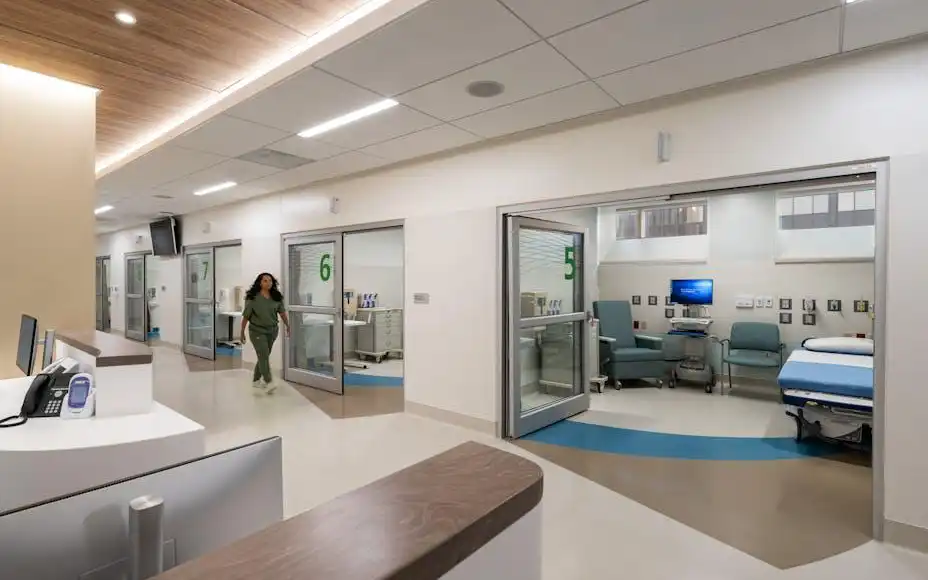
Hospitals include patient rooms, waiting areas, treatment spaces, emergency departments, and specialized clinical areas. Walls, floor layouts, equipment, and changing operational needs can affect wireless coverage throughout the facility.
DAS and Small Cell solutions can help address coverage requirements across different hospital zones. Deployment planning should consider the building layout, equipment locations, antenna placement, and applicable wireless and electromagnetic compatibility requirements.
Key Deployment Considerations:
Complex Indoor Layouts | Coverage Across Departments | Equipment & Structural Obstructions | Electromagnetic Compatibility
DAS vs Small Cell: Which Solution Fits Your Application?
DAS distributes wireless signals across multiple areas, while Small Cells provide localized coverage and capacity. Both technologies can work together depending on project requirements.
| Comparison | DAS | Small Cell |
| How It Works | Distributes signals through a network of antennas connected to a central source. | Uses compact cellular base stations to provide localized coverage and capacity. |
| Coverage | Distributes wireless coverage across large buildings and multiple areas. | Provides coverage and capacity in specific locations or smaller areas. |
| Typical Applications | Airports, stadiums, shopping malls, hotels, and large buildings. | Offices, campuses, urban areas, and high-demand locations. |
| Main Advantage | Supports coverage distribution across extensive areas. | Adds localized coverage and capacity where needed. |


Relevant content
Relevant content
Looking for the Right Antenna Solution?
Airplux provides customized antenna solutions for different applications and project requirements. Contact our antenna experts to discuss your next project.