
RFID for Apparel: The Ultimate Guide to Slashing Costs & Boosting Efficiency

RFID Apparel Management: The Ultimate Guide to Reducing Costs & Boosting Efficiency

How RFID technology can help the apparel industry reduce costs and increase efficiency, as well as its application scenarios in refined management and warehouse inventory, this article explores with you the new perspectives and ideas that RFID technology provides for industry development.

Table of contents

Introduction

Challenges of Traditional Apparel Warehouse Management

The Introduction of RFID Technology

RFID Application Scenarios in the Apparel Industry

RFID Application Case Studies
Introduction

In this era of rapid development and constant change in digital intelligence, industries across the board are actively seeking innovative solutions to cope with increasingly fierce market competition. The apparel industry is also gradually moving towards refined management and maximization of cost efficiency. RFID technology, renowned for its advantages such as high efficiency and high-precision identification capabilities, is becoming one of the key technologies for the apparel industry to achieve this goal.

Challenges in Traditional Apparel Warehouse Management

Low inventory accuracy

Manual inventory counts are prone to errors, leading to inaccurate inventory information and affecting subsequent sales and replenishment decisions.

Low work efficiency

Manual operations are time-consuming and require significant manpower, especially during periods of surging order volumes, which can easily lead to delays.

Difficulty in tracking and locating goods

 In large-scale warehouses, manually locating and tracking specific goods is time-consuming, labor-intensive, and inefficient.

These issues severely impact the operational efficiency and customer satisfaction of apparel e-commerce businesses.

The Application of RFID Technology in the Apparel Industry

Introduction of RFID Technology


  1. What is RFID technology?

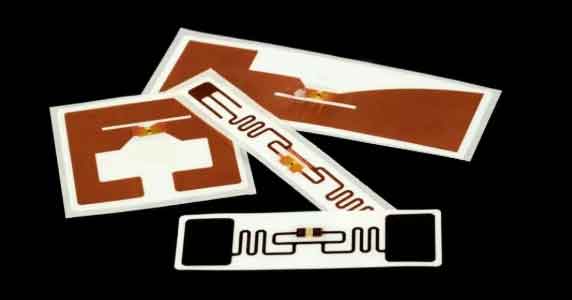
RFID technology, or radio frequency identification technology, is a non-contact automatic identification technology. It automatically identifies target objects and obtains relevant data through radio frequency signals without human intervention, enabling fast and accurate data collection and processing.

  1. Advantages of RFID technology

Compared with traditional barcodes, RFID tags can store more information and can be read without the need for line-of-sight alignment, greatly improving the efficiency and accuracy of data collection.

The Application of RFID Technology in the Apparel Industry

RFID Applications in the Apparel Industry

Apparel Production Process

In the apparel production process, RFID technology plays a crucial role in various stages, including raw material management, production process monitoring, and product quality traceability.

Raw Material Management

RFID tags are assigned to each batch of raw materials during the procurement stage, with the tags clearly recording detailed information such as supplier, batch number, material, and color.

Production Process Monitoring

RFID readers are installed at each workstation along the production line. As clothing components with RFID tags pass through each workstation, the readers automatically read and record information such as production progress and process parameters. This helps identify bottlenecks in production, adjust production schedules, and improve production efficiency.

Quality Traceability

Each garment’s tag contains accurate data on the entire production process from raw material procurement to manufacturing. In the event of a quality issue, the tag’s traceability information can be quickly retrieved to identify the problematic stage, such as a specific raw material batch, production workstation, or operator, enabling targeted corrective actions to reduce quality risks.

Anti-counterfeiting and Brand Protection

RFID tags can also serve as anti-counterfeiting measures to protect brands. By embedding unique RFID identifiers in clothing products, companies can effectively combat counterfeit and substandard products, thereby enhancing consumer trust.

The Application of RFID Technology in the Apparel Industry

Clothing Warehousing and Logistics

There are also many innovative applications of RFID technology in clothing warehousing and logistics.

Automated Inventory Management

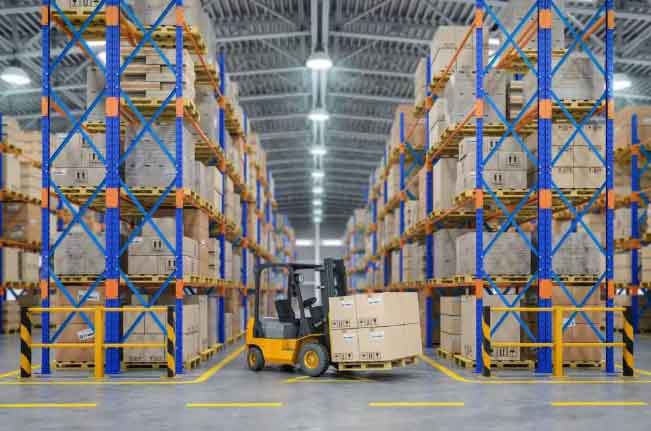
By installing RFID readers and writers in warehouses, real-time information on clothing inventory levels and locations can be obtained. The system can automatically capture RFID tag information and update inventory data to accurately reflect dynamic changes in inventory, providing timely and accurate information for enterprise

Efficient Inbound and Outbound Processes

RFID technology combined with a channel machine inventory system can automatically classify and group goods based on different attributes and requirements, significantly improving the efficiency of goods inbound and outbound management. Additionally, the system can directly convert EPC (Electronic Product Code) data from RFID tags into UPC(Universal Product Code) information for display, enabling operators to clearly and intuitively view the accurate specifications and quantities of goods during inventory and outbound processes, ensuring precise and error-free inventory results and effectively minimizing human error.

Rapid location and tracking of logistics

RFID tags on clothing packaging can communicate with read/write devices on transport vehicles and logistics nodes, supporting real-time access to information such as the location, status, and estimated arrival time of goods. Companies and customers can use the logistics tracking system to monitor the transport status of goods anytime, anywhere, improving the transparency and controllability of logistics.

The Application of RFID Technology in the Apparel Industry

RFID Application Case Study

Decathlon

Full-chain coverage

  1. Decathlon has deeply integrated RFID technology into its entire supply chain, including production, warehousing and logistics, and retail stores.

Source coding

  1. During the production process, each item is fitted with a UHF RFID tag with a unique fixed code, and the data is synchronized and stored in the back-end intelligent system.

Smart Logistics Sorting

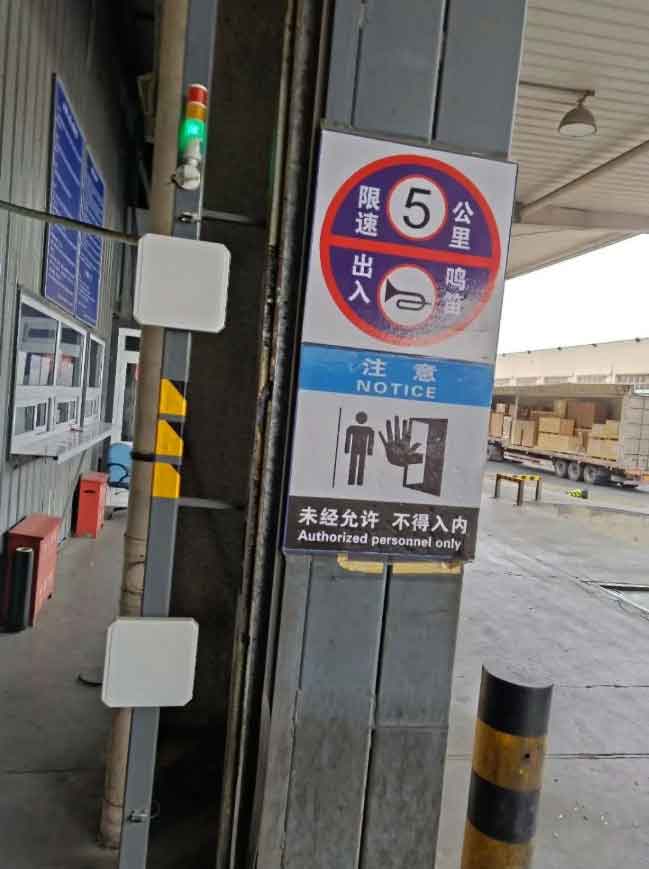
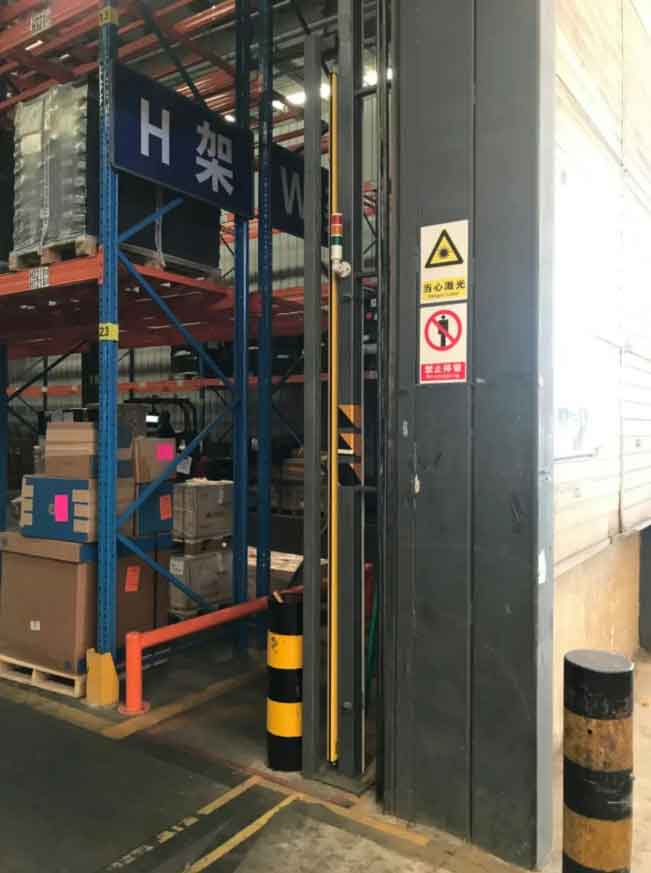
  1. When goods arrive at the distribution center from the factory, they pass through sorting lines and scanning channels equipped with UHF RFID readers.
  2. The system automatically, efficiently, and accurately identifies the goods and directs them to the correct locations.

Efficient Store Operations

  1. Quick Inventory Counting: Store staff use RFID handheld devices to rapidly complete inventory counts within the store.
  2. Unmanned/Self-Service Checkout: RFID technology is applied in-store to enable unmanned self-service checkout, enhancing the customer experience.

Significant Benefits Achieved Through RFID Technology

  1. Efficiency Improvement: Inventory counting efficiency has increased by 5 times, and counting frequency has doubled; goods in/out and picking efficiency have significantly improved.
  2. Accuracy Improvement: Factory packing error rates have dropped significantly from 1.5% to 0.2%; order delivery accuracy rates exceed 99.95%.
  3. Cost and Loss Reduction: Product anomaly handling time has decreased by 90%; total consumption costs have decreased by over 70%; loss costs have decreased by 90%.
  4. Management Optimization: Achieved intelligent inventory management, efficient product turnover, and innovative customer experience.
Challenges in Traditional Apparel Warehouse Management

ZARA

Zara has significantly improved inventory management efficiency and shortened product replenishment cycles by deploying RFID systems in its global warehouses. This has not only enhanced operational efficiency but also strengthened the brand’s market competitiveness.

The Application of RFID Technology in the Apparel Industry

RFID technology, with its advantages of contactless automatic identification and rapid, accurate data reading, has achieved widespread application in the field of apparel warehouse inventory management, significantly improving operational efficiency and management standards for businesses. As technology continues to advance and costs decrease, the application prospects for RFID technology will become even more promising. 

Smart Logistics Sorting

  1. When goods arrive at the distribution center from the factory, they pass through sorting lines and scanning channels equipped with UHF RFID readers.
  2. The system automatically, efficiently, and accurately identifies the goods and directs them to the correct locations.

Efficient Store Operations

  1. Quick Inventory Counting: Store staff use RFID handheld devices to rapidly complete inventory counts within the store.
  2. Unmanned/Self-Service Checkout: RFID technology is applied in-store to enable unmanned self-service checkout, enhancing the customer experience.
Close Menu