
Cellular Antennas for Signal Boosters, Amplifiers, Repeaters
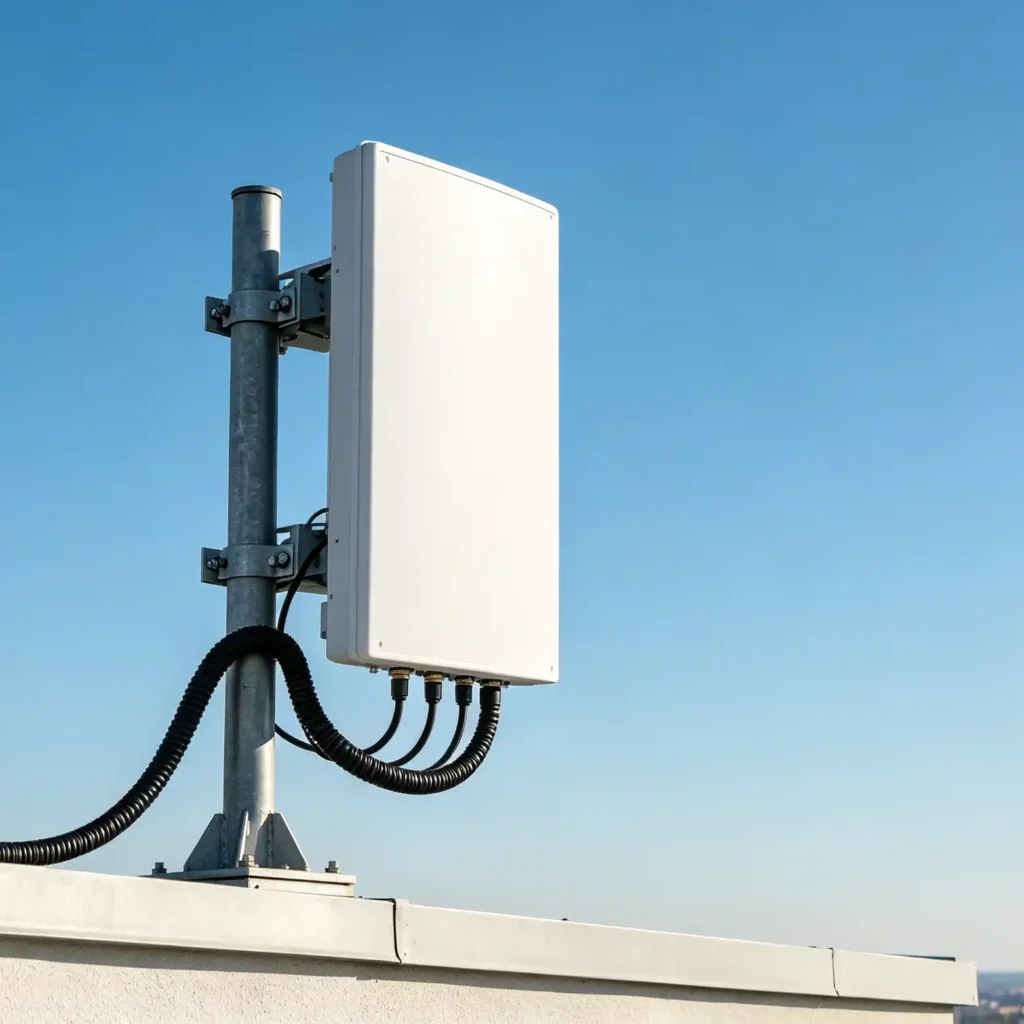
Cellular Antennas for Signal Boosters, Amplifiers, Repeaters
Airplux Technologies provides a complete range of indoor and outdoor cellular antenna solutions designed for signal boosters, cellular amplifiers, and wireless repeater systems. Our antennas help improve mobile signal coverage and enhance wireless connectivity in areas affected by weak signals, building structures, or limited network availability.
Designed for residential, commercial, industrial, and public applications, Airplux cellular antennas include omni ceiling antennas, indoor panel antennas, log periodic antennas, and outdoor omnidirectional antennas. With different frequency configurations, radiation patterns, and installation options, our solutions support flexible cellular coverage requirements for 4G LTE and 5G networks.
Overview of Cellular Antennas for Signal Booster Systems
Cellular antennas for signal boosters, amplifiers, and repeaters are designed to improve wireless connectivity in areas with weak or unstable mobile signals. As a key RF component in signal enhancement systems, these antennas help receive cellular signals, transfer RF energy efficiently, and distribute improved coverage through different installation environments.
A typical cellular signal booster system consists of an outdoor antenna, signal amplifier, and indoor antenna. The outdoor antenna captures available signals from nearby cell towers, while the amplifier enhances the signal and the indoor antenna distributes improved cellular coverage throughout the target area. Different antenna designs provide different coverage characteristics depending on signal conditions, installation locations, and application requirements.
Airplux provides a wide range of cellular antennas for 4G LTE and 5G signal booster applications, including omnidirectional antennas, directional antennas, indoor ceiling antennas, panel antennas, and outdoor antennas. With flexible frequency configurations and reliable RF performance, Airplux solutions support residential, commercial, and industrial wireless coverage requirements.
How Cellular Booster Antenna System Works
A cellular antenna system works together with signal boosters and amplifiers to improve wireless coverage in areas with weak cellular signals. The outdoor antenna receives available signals from nearby cell towers, while the booster amplifies the RF signal and the indoor antenna distributes improved coverage to users inside the building.
Cell Tower
Signal Source
Outdoor Antenna
Receives RF Signal
Signal Booster
Amplifies Signal
Indoor Antenna
Signal Distribution
Mobile Users
Improved Coverage
Why Choose Airplux Cellular Antennas
Cellular signal booster systems require antennas with reliable RF performance, wide frequency compatibility, and stable signal transmission capabilities. As a critical component of booster solutions, the antenna directly affects coverage efficiency, signal quality, and overall system performance.
Optimized Signal Reception:Designed to capture and receive cellular signals efficiently, Airplux antennas help signal booster systems improve weak signal acquisition in areas with limited network coverage.
Wide Cellular Band Compatibility:Supporting different cellular frequency bands, Airplux antennas provide flexible solutions for LTE, 4G, and 5G signal booster systems across various network environments.
Improved Signal Booster Performance:With optimized impedance matching and stable electrical characteristics, Airplux antennas help minimize signal loss and maintain efficient communication between external antennas, boosters, and indoor coverage antennas.
Flexible Installation for Different Coverage Needs:Available in multiple antenna designs, including omnidirectional and directional configurations, Airplux solutions can adapt to different installation scenarios such as homes, offices, warehouses, and outdoor coverage projects.
Cellular Antennas Product Range
Airplux provides a complete range of cellular antennas designed for signal booster and repeater systems. Our product portfolio covers indoor coverage antennas and outdoor signal reception antennas, including ceiling antennas, panel antennas, log periodic antennas, and omnidirectional antennas.
With different radiation patterns, frequency configurations, and installation options, Airplux cellular antennas provide flexible solutions for residential, commercial, and industrial signal enhancement applications.
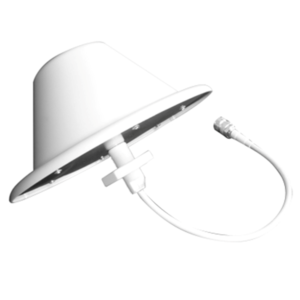
Omni Ceiling Antenna
Model
Electrical specifications
Frequency range (MHz)
Polarization
Gain(dBi)
Half-power beam width(°)
Impedance(Ω)
VSWR
Maximum input power(W)
Lightning protection
Mechanical specifications
Connector
Connector position
Size(mm)
Antenna weight(kg)
Wind loading area(㎡)
Rated wind velocity(m/s)
Reflector material
Radome material
Radome color
Operating temperature(℃)
APOCA802725
806-960/1710-2700
Vertical
2/5
Hor:360 Ver:60/30
50
≤1.5
50
DC Ground
N-Female
With cable
φ185×85
0.22
≤0.2
36.9
Aluminum
ABS
White
-40~55
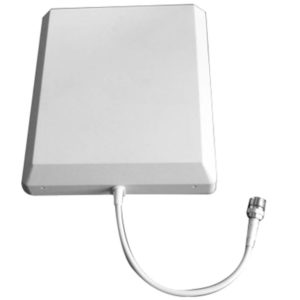
Indoor Panel Antenna
Model
Electrical specifications
Frequency range (MHz)
Polarization
Gain(dBi)
Half-power beam width(°)
Front-to-back ratio(dB)
Impedance(Ω)
VSWR
Maximum input power(W)
Lightning protection
Mechanical specifications
Connector
Connector position
Size(mm)
Antenna weight(kg)
Wind loading area(㎡)
Rated wind velocity(m/s)
Reflector material
Radome material
Radome color
Operating temperature(℃)
APIPA802708
806-960/1710-2700
Vertical
8±1
Hor:85±15 Ver:60±20
≥8
50
≤1.5
50
DC Ground
N-female
With cable
207×177×45
0.35
≤0.2
36.9
Aluminium
ABS
White
-40~55
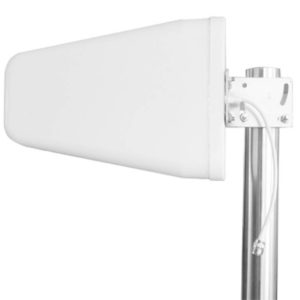
Log Periodic Antenna
Model
Electrical specifications
Frequency range (MHz)
Polarization
Gain(dBi)
Half-power beam width(°)
Impedance(Ω)
VSWR
Maximum input power(W)
Lightning protection
Mechanical specifications
Connector
Connector position
Size(mm)
Antenna weight(kg)
Wind loading area(㎡)
Rated wind velocity(m/s)
Reflector material
Radome material
Radome color
Operating temperature(℃)
APLPA802789
806-960/1710-2700
Vertical
8±1/9±1
Hor:90±10/75±10 Ver:75/60
50
≤1.5
50
DC Ground
N-Female
With cable
300×210×65
0.58
≤0.2
36.9
Aluminum
ABS
White
-40~55
Outdoor Omni-directional Antenna
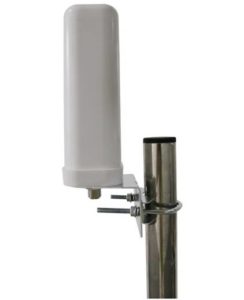
Model
Electrical specifications
Frequency range (MHz)
Polarization
Gain(dBi)
Half-power beam width(°)
Impedance(Ω)
VSWR
Maximum input power(W)
Lightning protection
Mechanical specifications
Connector
Connector position
Size(mm)
Antenna weight(kg)
Wind loading area(㎡)
Rated wind velocity(m/s)
Reflector material
Radome material
Radome color
Operating temperature(℃)
Mounting hardware (mm)
APOOA802735
806-960/1710-2700
Vertical
3/5
Hor:360/75±10 Ver:60
50
≤1.5
50
DC Ground
N-Female
bottom
φ65×190
0.5
≤0.2
36.9
Aluminum
ABS
White
-40~55
φ30~φ50
FAQ – Cellular Antennas for Signal Boosters, Amplifiers & Repeaters
A cellular antenna works as a key RF component in signal booster, amplifier, and repeater systems by receiving and distributing cellular signals between the network source and the coverage area.
A typical system includes:
Outdoor Antenna → Signal Booster / Amplifier → Indoor Antenna
The outdoor antenna captures available cellular signals from nearby towers, while the amplifier improves signal strength and the indoor antenna distributes enhanced coverage inside the target area.
Proper antenna selection, installation location, and RF performance are important factors affecting overall system efficiency.
Cellular antennas for signal boosters and repeaters are designed to support different frequency bands depending on regional network standards and application requirements.
Common cellular frequency ranges include:
- 700MHz / 800MHz bands for LTE coverage
- 900MHz bands for cellular communication
- 1800MHz / 2100MHz bands for LTE applications
- 2600MHz bands for higher-frequency LTE networks
- 3500MHz bands for 5G applications
The selected antenna frequency range should match the connected booster or repeater system to ensure reliable RF performance.
Airplux provides cellular antenna solutions supporting various 4G LTE and 5G frequency requirements.
The main difference between omnidirectional and directional cellular antennas is their radiation pattern and signal coverage method.
Omnidirectional Cellular Antenna:
Omnidirectional antennas provide 360-degree horizontal coverage and are suitable for applications where signals may come from multiple directions.
Directional Cellular Antenna:
Directional antennas focus RF energy toward a specific direction, helping improve signal reception when the cellular tower location is known.
Directional antennas are commonly used for long-distance signal reception, while omnidirectional antennas are suitable for flexible coverage environments.
The correct choice depends on installation conditions, signal availability, and coverage requirements.
Choosing the right cellular antenna for a signal booster or repeater system requires considering several factors:
Frequency Compatibility
The antenna frequency range should match the bands supported by the booster or repeater equipment.
Antenna Type
Omnidirectional and directional antennas provide different coverage characteristics depending on signal direction and installation requirements.
Gain Performance
Suitable antenna gain helps improve signal reception and coverage efficiency.
Installation Environment
Outdoor antennas, indoor ceiling antennas, and panel antennas are designed for different deployment scenarios.
Connector Compatibility
The antenna connector and cable system should match the connected RF equipment.
A properly selected antenna helps maximize signal booster performance and maintain stable cellular connectivity.
Cellular antennas for signal boosters, amplifiers, and repeaters are installed in different environments depending on coverage requirements.
Common applications include:
Residential Buildings
Improve indoor cellular coverage in homes with weak mobile signals.
Commercial Buildings
Support reliable cellular connectivity in offices, hotels, and public buildings.
Warehouses and Industrial Facilities
Provide improved coverage in large indoor areas where cellular signals are limited.
Remote and Outdoor Locations
Help capture available signals in areas with weak network coverage.
Outdoor antennas are commonly installed on rooftops, poles, or building exteriors, while indoor antennas are installed on ceilings or walls to distribute improved cellular signals.
Yes, many cellular antennas can support both 4G LTE and 5G signal booster systems when their frequency range matches the required network bands.
Wideband cellular antennas are commonly used for multi-band applications because they can support multiple cellular frequency ranges within one antenna design.
However, antenna selection should consider:
- Supported frequency bands
- Signal booster specifications
- Required coverage area
- Installation environment
Airplux provides cellular antenna solutions designed for different LTE, 5G, and wireless coverage applications.
About Airplux Antenna Solutions
Airplux Technologies is a specialized antenna manufacturer integrating antenna design, research and development, production, and sales. We provide reliable antenna solutions covering RFID antennas, WiFi antennas, DAS antennas, IoT antennas, base station antennas, and customized antenna products from 350MHz to 6GHz.
With professional antenna design capabilities and flexible manufacturing experience, Airplux supports customers with both standard antenna products and customized solutions for different project requirements. Our antennas are widely used in various wireless communication and identification systems worldwide, serving system integrators, enterprises, and manufacturers with stable performance and reliable quality.
Please contact us for more detailed info or any inquiry: info@airpluxtec.com
Explore Antenna Solutions
need the right antenna solution?
From standard antenna products to customized designs,Airplux provides professional antenna solutions for
different wireless communication requirements.