RFID Fixed Asset Management

What Does an RFID Fixed Asset Management System Encompass?

This article explains how RFID Fixed Asset Management uses RFID technology to enable efficient asset tracking, automated inventory, and full lifecycle management.

Table of contents

  1. Introduction
  2. Asset Tracking and System Operation
  3. Applications
  4. Features
  5. Conclusion

Introduction

An RFID fixed asset management system is an advanced asset management solution built on RFID technology, representing the evolution from traditional barcode-based systems toward digital asset management.

It enables long-range, high-speed, and bulk data identification, while maintaining reliable performance in environments affected by dust, dirt, or wear. This technology effectively addresses common asset management challenges, significantly reducing inventory time compared with manual or barcode-based methods.

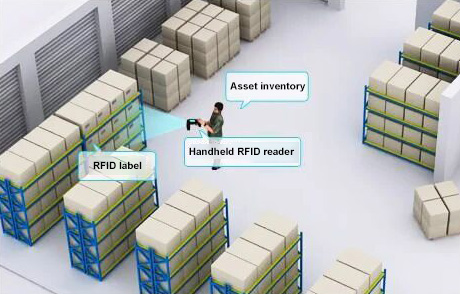
A single walk-through can complete inventory tasks, with inventory reports generated automatically by the system.

RFID asset management software is increasingly adopted by enterprises, government agencies, research organizations, and educational institutions to support intelligent and data-driven fixed asset management.

Asset Tracking and System Operation

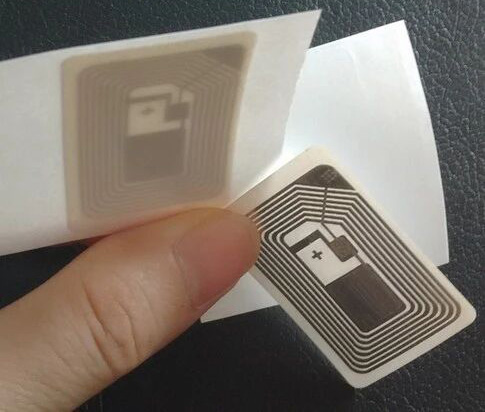
The RFID asset management system centers on asset tracking, assigning a unique electronic tag to each asset. It integrates RFID technology into all aspects of fixed asset management—including procurement, warehousing, issuance, transfers, maintenance, inventory, depreciation, modifications, decommissioning, and disposal.

For incidents like asset loss, unauthorized tag removal, or unapproved movement, the system provides real-time monitoring and alerts on the management interface.

Applications

System Administration

Organizational structure management, department information management, data dictionary management, user information management, system role management, supplier management, etc.

Master Data Management

System information management, asset type and coding management, unit of measure management, asset classification management, etc.

Daily Asset Management

Asset return, asset issuance, asset return to warehouse, asset transfer, asset maintenance, asset disposal, asset scrapping, asset inquiry, etc.

Consumables Management

Consumables Receiving, Consumables Issuance, Consumables Return, Consumables Scrapping, Consumables Inventory, Consumables Transfer, Consumables Query, Consumables Statistics.

Asset Inventory Management

Inventory Tasks, Inventory Data Download, Inventory Data Upload, Inventory Processing.

Reporting & Analytics

Asset detail reports, asset carryover reports, inventory sheets, asset maintenance statistics, asset depreciation lists, asset budget reports, asset procurement reports, etc.

Asset Analytics & Insights

Categorized asset proportion analysis, departmental asset proportion analysis, overall asset increase/decrease analysis, asset inventory analysis, asset budget analysis, etc.

Features

  1. Establishes reliable digital asset records by automatically binding RFID tags to assets, enabling full lifecycle visibility.
  2. Provides accurate reference data to enhance asset utilization, prevent duplicate purchases and waste, and improve return on investment.
  3. Utilizes handheld terminals for inventory reporting, comprehensively improving data accuracy and usability while reducing inventory time.
  4. The system supports real-time location queries and movement tracking for high-value assets, enhancing asset security and visibility. Enterprises gain real-time visibility into fixed assets, enabling rational asset allocation and effective tracking.
  5. Asset management becomes more flexible. By leveraging the large data capacity and rewritable nature of RFID tags, various management activities can be converted into digital records for comprehensive documentation and traceability.

Conclusion

An RFID fixed asset management system delivers a structured and intelligent approach to managing assets across their entire lifecycle. By replacing manual and barcode-based processes with automated identification, real-time monitoring, and centralized data analysis, organizations can significantly improve inventory efficiency, asset accuracy, and overall management transparency.

As digital transformation continues to reshape enterprise operations, RFID-based asset management systems are increasingly becoming a foundational tool for organizations seeking to enhance asset control, optimize resource allocation, and support long-term, data-driven decision-making.

Close Menu