
Weekly News: ZTE Faces Potential Over $1 Billion U.S. Penalty in Bribery Probe
Dec 12, 2025
1. ZTE faces potential US fine exceeding USD 1 billion over long-running FCPA probe
2. Rogers launches satellite-to-mobile service to expand remote area coverage
3. FCC considers blocking China’s three major telecom operators from direct US network access
4. Global Telecom Engineering earns certifications from T-Mobile, Verizon, and UScellular for FWA devices
5.UK’s Telecom Plus in discussions with Ovo regarding potential equity deal
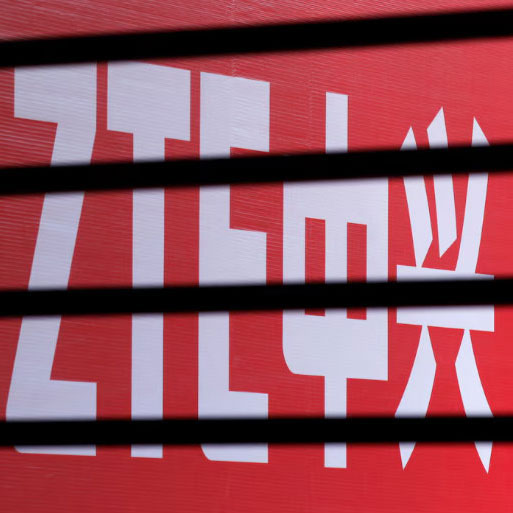
ZTE faces potential US fine exceeding USD 1 billion over long-running FCPA probe
Chinese telecom equipment manufacturer ZTE is reportedly facing a new round of severe penalties in the United States, with settlement discussions indicating a potential fine exceeding USD 1 billion. The case is tied to long-standing investigations under the Foreign Corrupt Practices Act (FCPA). Such a penalty would impact ZTE’s global operations, supply chain relationships, and business activities involving US technologies.
Market reaction has been immediate, with ZTE’s stock declining following the news. This case underscores the heightened geopolitical and compliance pressures facing major telecom vendors, particularly those operating across US-China regulatory boundaries.
Rogers launches satellite-to-mobile service to expand remote area coverage
Rogers Communications has launched its new “Rogers Satellite” service, enabling users in remote and rural regions of Canada to connect directly through satellite without relying on terrestrial cell towers. The initial plan, priced at around CAD 15 per month, supports essential apps such as WhatsApp, Google Maps, and X, with future upgrades planned for voice and full mobile data services.
This marks a major step for Canada’s connectivity strategy as operators worldwide explore NTN (Non-Terrestrial Network) integration. The service aims to enhance safety, emergency communications, and nationwide digital inclusion, strengthening the trend of satellite-cellular convergence in modern wireless networks.
FCC considers blocking China’s three major telecom operators from direct US network access
The US Federal Communications Commission (FCC) announced this week that it is evaluating a proposal to restrict China Mobile, China Telecom, and China Unicom from maintaining direct interconnection with US telecom networks. The initiative is tied to concerns related to the STIR/SHAKEN caller ID authentication ecosystem and potential national security risks.
If adopted, US carriers would be required to sever direct voice interconnection agreements with these companies, potentially disrupting cross-border calling and enterprise communication services. The move reflects the continued tightening of telecom security policies in the United States and the broader decline in direct US-China telecommunications integration.
Global Telecom Engineering earns certifications from T-Mobile, Verizon, and UScellular for FWA devices
Hardware vendor Global Telecom Engineering, Inc. announced that its TITAN5000, TITAN5100, and TITAN5400 fixed wireless access (FWA) devices have been certified by three major US carriers: T-Mobile, Verizon, and UScellular. These certifications allow the devices to be officially deployed on leading US wireless networks, accelerating adoption across enterprise broadband, wireless-to-the-home, and outdoor fixed connectivity use cases.
The approval highlights the continued growth of the US FWA market, where operators are increasingly turning to advanced CPE and multi-vendor hardware strategies to expand coverage, reduce deployment costs, and provide fiber-like speeds over wireless.
UK’s Telecom Plus in discussions with Ovo regarding potential equity deal
British utilities and telecom provider Telecom Plus is reportedly in discussions with energy retailer Ovo regarding a potential equity transaction that could value Ovo’s retail energy business at over GBP 400 million.
Although centered in the energy sector, the deal has strategic implications for Telecom Plus, which combines broadband, mobile, home services, and utilities under a unified subscription model. A partnership or acquisition could strengthen its bundled offering and improve customer retention by merging energy and telecom services.
This aligns with a growing trend where operators integrate connectivity with smart-home and energy-management ecosystems to build long-term, multi-service customer relationships.