NFC technology Explained: What NFC Is, Core Applications, and Beyond
Introduction to NFC technology. Discover NFC core applications like card emulation and file transfer, and how NFC is shaping future innovations in payments, smart devices, and daily life.
Table of Contents
What is Near Field Communication
Two Core Applications of Near Field Communication
Additional Application Features of Near Field Communication
Introduction
According to data from international research firm ABI Research, shipments of NFC-enabled devices and products will exceed 20 billion units in the coming years, between 2023 and 2027.The number of users utilizing NFC payments has increased by 30% compared to two years ago.
As a convenient communication technology, NFC has been quietly serving us for many years.In our daily lives, we occasionally spot it. For instance:
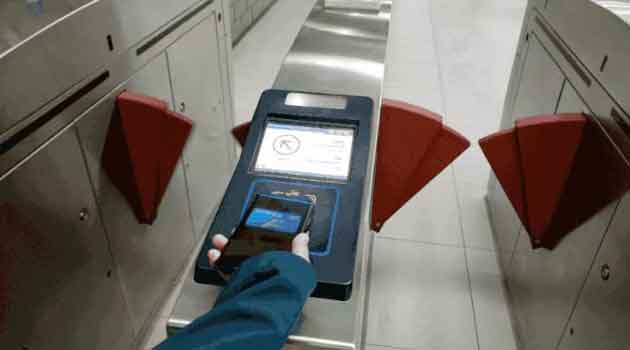
Subways and buses:
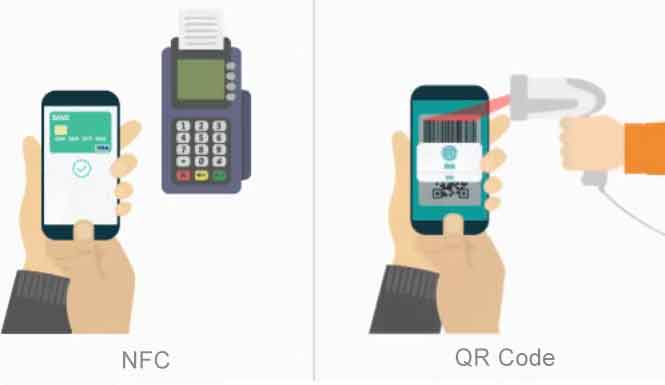
Mobile payments:
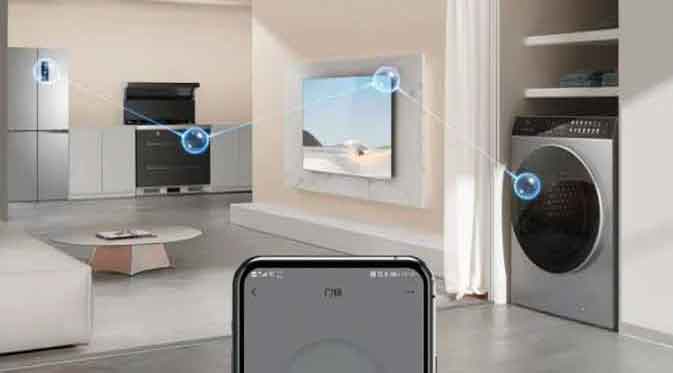
Home appliances and furniture:
So when exactly was NFC invented? What technology underpins it? What are its advantages and disadvantages? Most of us probably can’t clearly explain these points.
Today, let’s briefly explore NFC based on these questions.
What is NFC technology
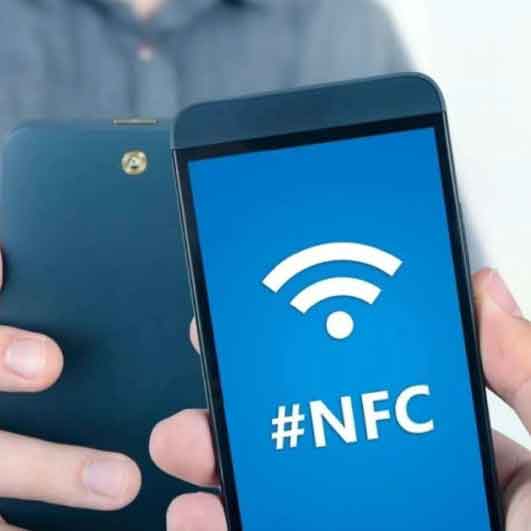
NFC stands for Near Field Communication, a short-range wireless communication technology. Developed jointly by Philips and Sony in 2003, NFC is a contactless identification and interconnection technology. Compared to RFID, NFC features a very short operating distance, higher bandwidth, and lower power consumption.
As a short-range high-frequency wireless communication technology, NFC enables contactless peer-to-peer data transfer between electronic devices.
Two Core Applications of NFC technology
Card Emulation
This is one of NFC’s earliest functions. It enables smartphones to act as transit passes and bank cards, significantly reducing the number of physical cards needed for daily travel. Since Nokia launched the first NFC-enabled phone in 2006, an increasing number of smartphones now support NFC technology.
For instance, devices from Apple, Nokia, Samsung, Sony, HTC, as well as domestic brands like Huawei, Xiaomi, Oppo, and Meizu, all support NFC functionality.
For bank card emulation, several apps support this feature, including Alipay, Apple Pay, Samsung Pay, Mi Pay, and Huawei Wallet.
How it works:
Make sure NFC is enabled on your phone.
Open the Alipay app.
Place your bank card against the back of your phone.
Once detected, Alipay begins reading the card information.
After successful reading, you can view details such as the bank account number, e-cash balance, and the most recent 10 transaction records.
These records include amount and time information but exclude merchant details, and only cover in-person “card insert” transactions, not online purchases.
File Transfer
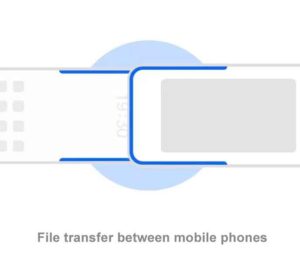
Similar to Bluetooth on mobile phones, simply bring two phones with NFC enabled close together to establish a connection. You can then choose to send or receive files.
Many cameras and photo printers now also use NFC for quick image transfer, offering exceptional convenience and speed.
Additional Application Features of NFC technology
Shared bicycles
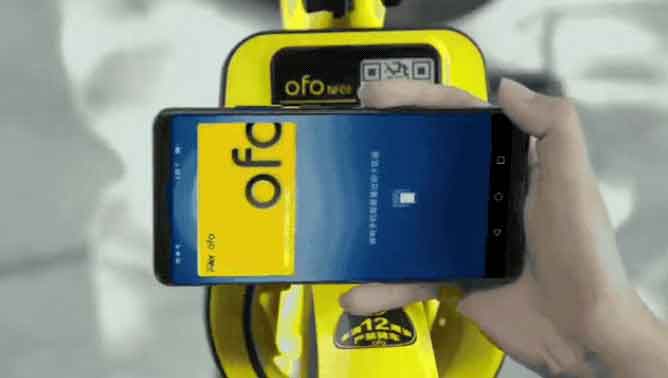
Both Mobike and Ofo have released models with NFC support. Users can skip the QR code scanning step and unlock the bike by simply holding their phone near the smart lock.
NFC business cards
These allow you to make calls or visit websites instantly via NFC tags.
NFC car keys
Unlock vehicle doors just by tapping your phone.
Smart product information
Use NFC tags to quickly access product details and services.
That said, due to gaps in infrastructure and the broader industrial chain, NFC has yet to realize its full potential.
Conclusion
Nowadays, most smartphones support NFC functionality. As technology continues to advance and evolve, NFC will become increasingly integrated into our daily lives. Give it a little more time, and we believe it will embrace its own springtime.