Electronic Product Antennas Guide: PCB, FPC and LDS Antennas

Electronic Product Antennas Guide: PCB, FPC and LDS Antennas

This Electronic Product Antennas Guide provides a concise overview of PCB, FPC, and LDS antennas used in modern electronic devices, covering their structures, advantages, limitations, and key design considerations to support practical antenna selection and integration.

Table of Contents

  1. Introduction

  2. Types of Electronic Product Antennas

  3. Design Considerations for Smart Devices

  4. Evolution of Antenna Technologies

  5. Common Antenna Design Considerations

  6. LDS Antenna Process Flow

Introduction

Antennas are indispensable core components in communication systems, serving to transmit signals from the transmitter to the receiver or radiate signals from the receiver back to the transmitter system.

In electronic products, PCB antennas, FPC antennas, and LDS antennas are the most common built-in antenna types, each with distinct structures, performance characteristics, and application scenarios. Below is a detailed introduction to these three antenna types.

This article provides a practical Electronic Product Antennas Guide for understanding their differences and typical use cases.

Types of Electronic Product Antennas

PCB Antennas

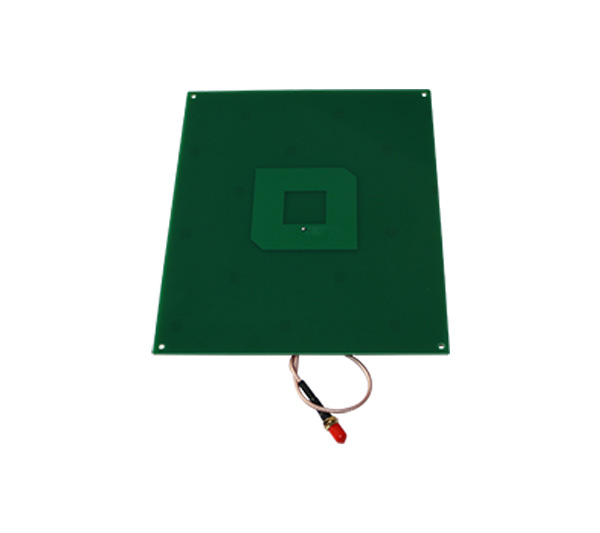
PCB antennas are primarily used on single-band module circuit boards such as Bluetooth modules, Wi-Fi modules, and Zigbee modules.

Advantages:

1) Low cost;

2) Requires only one-time tuning, with no subsequent adjustments needed.

Disadvantages:

1) Only suitable for single-band module circuits;

2) Performance variations may occur between different PCB antenna batches.

PCB Antenna

FPC Antennas

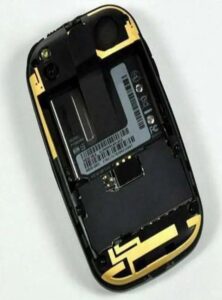
FPC antennas are fabricated on flexible PCBs. Compared to PCB antennas, FPC antennas offer bendable and foldable characteristics, adapting to more complex and compact internal structures. They are widely used in mid-range and entry-level smartphones with complex frequency band requirements and various smart hardware products.

Advantages:

1) Suitable for most small electronic devices;

2) Capable of supporting complex antennas for over ten frequency bands;

3) High performance;

4) Cost-effective

Disadvantages: Requires individual tuning for each product model.

FPC Antennas

LDS Antenna

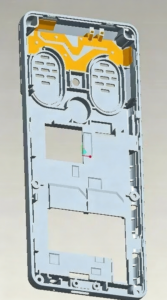
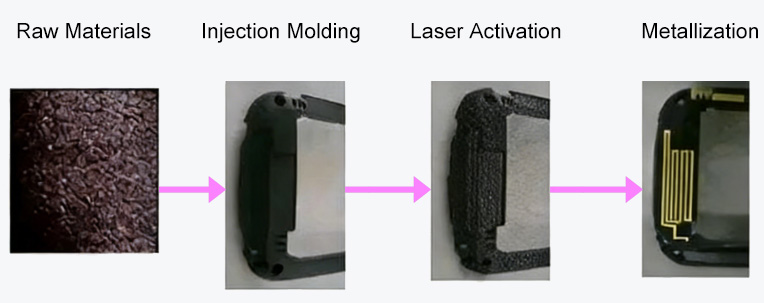
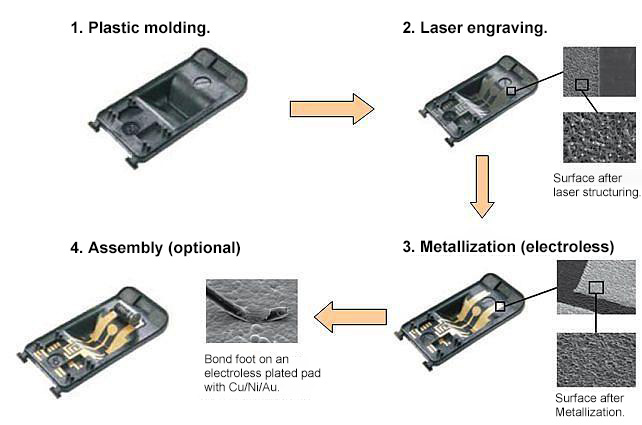
LDS antennas offer exceptional space utilization. The manufacturing process involves laser etching antenna patterns onto specially treated plastic substrates followed by metallization, making them ideal for highly compact internal applications.

Advantages:

1) Maximizes utilization of irregular surfaces in three-dimensional space to reduce antenna volume;

2) Stable performance, high consistency, and precision;

3) Durable with minimal maintenance requirements.

Disadvantages: Higher cost and specific surface finish requirements for the product exterior.

LDS Antennas

Key Design Questions for Smart Devices

I. Key Design Questions for Smart Devices

1) What key considerations are essential when designing smartwatch antenna structures?

2) How is the LDS antenna in this smartwatch manufactured?

II. Pogo Pin and Signal-Related Antenna Design

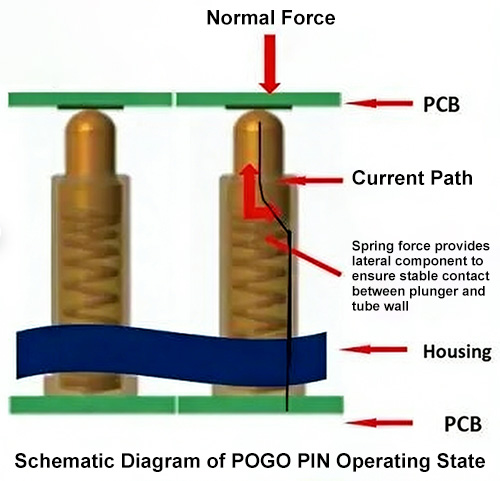
In products, any functional modules connected via Pogo Pins and involving signal transmission (such as GSM, Wi-Fi, or GPS) require coordinated antenna design to ensure stable and reliable signal performance.

Evolution of Antenna Technologies

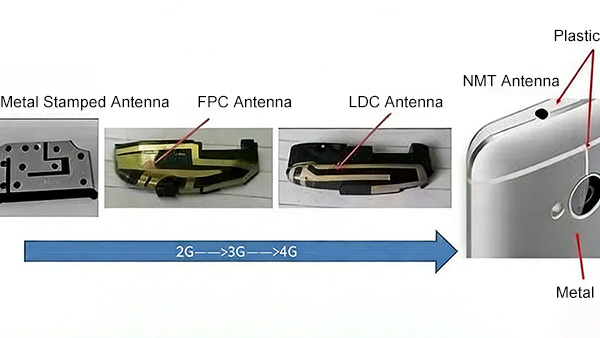
Early mobile phones predominantly used external antennas.

Starting with NOKIA, internal antenna designs were gradually introduced, initially often employing metal sheet forms (typically stamped from 0.1 mm thick stainless steel).

As cost control demands increased, metal antennas were progressively replaced by FPC antennas.

FPC antennas offer flexible materials that conform to curved surfaces and allow bending. They provide superior space utilization compared to metal antennas while offering greater freedom in aesthetic and structural design.

In assembly, FPC antennas typically only require surface mounting with positioning pins at feed points, whereas metal antennas often necessitate hot melt adhesive for fixation. Consequently, FPC antennas have become the mainstream antenna technology solution.

With further technological advancement, LDS antennas emerged. This technology directly forms antenna patterns via laser etching on specially treated material surfaces. It is now widely adopted in high-end smartphones, typically serving as the primary antenna and often integrated with speaker enclosures for comprehensive space and cost optimization.

Electronic Product Antennas Guide: PCB, FPC and LDS Antennas

Common Antenna Design Considerations

Antenna Area Requirements

When designing antennas, focus on the following key points:

1) One of the critical parameters for antennas is the effective area, particularly for the main antenna.

  • 3G networks generally require approximately 400 mm²;
  • 4G networks typically require around 500 mm²;

Due to the need for backward compatibility with 2G/3G networks, achieving such areas in actual designs is often challenging. Therefore, designs frequently utilize side space or metal frames to meet these requirements.

2) 4G antennas (especially all-network antennas) present higher tuning complexity. Both pre- and post-design evaluations with antenna manufacturers are essential, incorporating their professional recommendations. Multiple structural or design iterations may be required for optimal results.

3) Maintain a minimum 1 mm clearance between antennas and other components.

4) Avoid placing electromagnetic components or high-speed signal lines near antennas to minimize mutual interference.

5) Design specifications typically require a 5 mm clearance between antennas and the main board. While this may be difficult to achieve in actual structures, the minimum clearance should not be less than 2 mm.

6) For phones with metal frames, a minimum clearance of 2 mm or more is generally required between the metal frame and the antenna.

LDS Antenna Process Flow

Electronic Product Antennas Guide: PCB, FPC and LDS Antennas
Close Menu