
How RFID Technology Is Transforming Retail and Supply Chain Operations

How RFID Technology Is Transforming Retail and Supply Chain Operations
RFID technology has become one of the most important tools for improving inventory accuracy, operational efficiency, and supply chain visibility. From warehouse management and omnichannel fulfillment to smart shelves and self-checkout, retailers are adopting RFID at an unprecedented pace. Discover how RFID technology is reshaping modern retail and why it is becoming a key driver of digital transformation across the supply chain.
I. Why RFID Is Becoming a Core Technology in Modern Retail
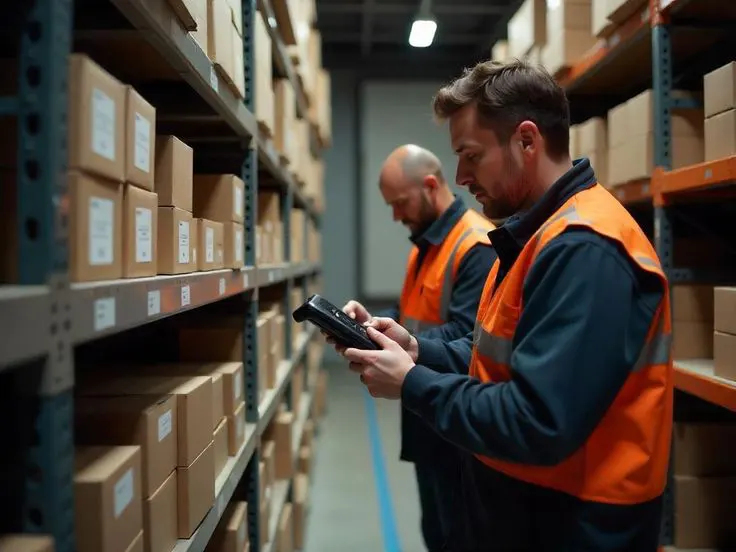
For many years, retailers mainly used RFID as a warehouse and inventory management tool. However, that perception is changing quickly.
Today, rising labor costs, omnichannel fulfillment demands, and growing pressure for real-time inventory accuracy are pushing retailers to rethink how they manage operations. As a result, more companies are moving RFID technology from the backroom to the sales floor.
At the same time, major retailers such as Walmart are expanding RFID requirements across multiple product categories. Because of this shift, brands and suppliers no longer see RFID as a short-term pilot project. Instead, they increasingly view it as long-term operational infrastructure.
More importantly, the retail industry is entering a new stage of RFID adoption. Companies now use RFID not only to track inventory, but also to improve operational efficiency, customer experience, and supply chain visibility.
This shift has become especially visible in large-scale retail environments where inventory accuracy directly affects revenue. A retailer operating thousands of stores may manage hundreds of thousands of SKUs across multiple channels, including physical stores, e-commerce platforms, and buy-online-pickup-in-store services. In these environments, even small inventory inaccuracies can quickly lead to out-of-stock situations, delayed fulfillment, or lost sales opportunities.
As omnichannel retail continues to expand, inventory visibility has become more important than ever. Customers now expect retailers to provide accurate stock information in real time. If a product appears available online but is actually missing from store shelves, customer trust declines immediately. Because of this, retailers increasingly view RFID technology as a practical way to connect physical inventory with digital retail systems.
In many ways, RFID is becoming one of the foundational technologies behind modern retail automation.
II. Why Retailers Are Investing in RFID Again
Retailers today face several operational challenges. Labor costs continue to rise, inventory accuracy remains difficult to maintain, and omnichannel fulfillment requires real-time stock visibility across multiple locations. In addition, out-of-stock situations directly affect revenue, while traditional barcode scanning often moves too slowly for large-scale retail operations.
The labor shortage issue has become particularly serious across warehousing and logistics operations. In recent years, transportation and warehouse sectors have faced hundreds of thousands of open positions, making it increasingly difficult for companies to maintain operational efficiency through manual processes alone. As temporary labor usage increases, many operations also struggle with training costs and inconsistent workflow quality.
Because of these pressures, many retailers and suppliers are accelerating investments in automation technologies that reduce dependency on manual labor. RFID technology plays a major role in this transition.
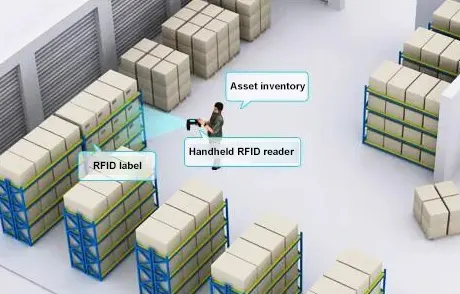
Unlike traditional barcode systems, RFID readers do not require direct line-of-sight scanning. Instead, they can automatically identify thousands of tagged items in seconds while products move through warehouse portals, conveyor systems, shelves, or checkout areas. Processes that previously required hours of manual scanning can now happen almost instantly.
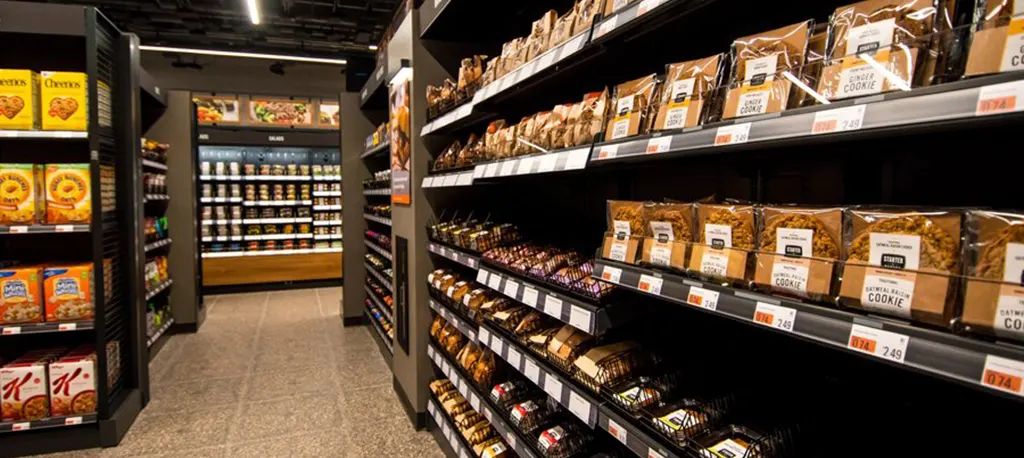
Although camera-based AI automation systems can improve efficiency, many retailers still struggle with the high deployment costs associated with those solutions. Some cashierless retail systems reportedly cost hundreds of thousands of dollars per store, making large-scale expansion difficult for many retailers.
Because of this, RFID technology offers a more scalable and cost-effective alternative.
Meanwhile, RFID hardware costs continue to decline. As the technology becomes more affordable, adoption has accelerated across retail, logistics, healthcare, manufacturing, and supply chain operations.
Industry research also reflects this momentum. Several studies have shown that a large percentage of global retailers now plan to deploy RFID technology within the next few years, largely because the business case has become much easier to justify than it was a decade ago.
III. Walmart’s RFID Expansion Is Influencing the Entire Industry

One of the biggest drivers of RFID adoption in recent years has been Walmart’s expanded RFID initiative.
Walmart has experimented with RFID technology for years, particularly in apparel, where item-level inventory visibility significantly improved operational accuracy. After seeing strong results, the company expanded RFID requirements into additional categories, including electronics, home goods, sporting goods, toys, and automotive products.
The scale of Walmart’s operations makes inventory accuracy especially critical. The retailer operates thousands of stores globally and manages enormous product volumes every day. Even small improvements in inventory visibility can create major operational and financial benefits at that scale.
For example, RFID technology helps Walmart improve stock accuracy, reduce misplaced inventory, and strengthen buy-online-pickup-in-store performance. When inventory systems reflect actual shelf availability more accurately, customers gain greater confidence that products listed online are truly available in stores.
At the same time, Walmart’s RFID initiative is influencing suppliers throughout the retail ecosystem. Suppliers now face growing pressure to comply with RFID tagging requirements and industry standards such as EPC and Auburn University RFID Lab specifications.
This shift is changing the role of RFID across the supply chain. Instead of treating RFID as an optional innovation project, many suppliers now see it as a necessary part of doing business with major retailers.
As a result, RFID adoption is expanding far beyond apparel and gradually becoming standard infrastructure across broader retail categories.
IV. RFID Is Moving Beyond the Warehouse
Historically, most RFID deployments focused on warehouses and distribution centers. Today, however, retailers are increasingly exploring how RFID infrastructure can improve customer-facing retail operations as well.
One growing application is smart shelving. RFID-enabled shelves can automatically detect inventory movement and identify when products are missing, misplaced, or running low. Instead of relying on manual shelf inspections, retailers can receive real-time inventory updates and replenish products more efficiently.
This capability becomes especially valuable in high-volume retail environments where stockouts directly reduce sales opportunities.
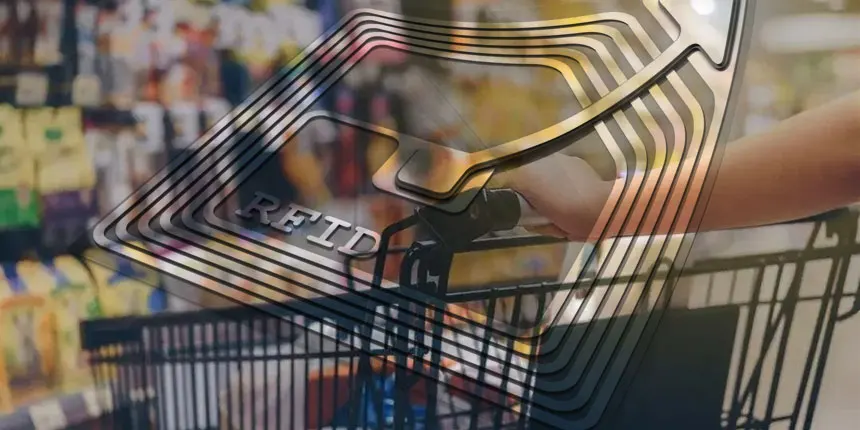
Retailers are also using RFID technology to improve checkout efficiency. Traditional barcode scanning requires products to pass individually in front of a scanner, which slows the checkout process during busy periods. RFID systems, by comparison, can identify multiple products simultaneously, allowing retailers to create faster and more seamless checkout experiences.
Some retailers are also exploring RFID-supported digital pricing systems. Combined with electronic shelf labels, RFID can help retailers react more quickly to inventory changes. For example, slow-moving products can receive automated discounts, while expiring inventory can be identified before it creates unnecessary waste.
In addition, RFID data can support store layout optimization. RFID-enabled carts and baskets help retailers better understand customer movement patterns inside stores, including which areas receive the most traffic and how shoppers interact with different product categories.
These insights allow retailers to improve product placement, optimize promotional displays, and create more efficient store layouts overall.
About Us
Airplux Technologies Limited is one professional Antenna Solution Provider which is integrating R&D, production and sales of antennas. Airplux manufactures superior quality DAS/Small Cell antennas, WiFi antennas, IOT/RFID/M2M/GPS antennas, Base Station antennas and customized antennas from 100MHz to 80GHz. We specializes in the production of custom antennas and related accessories.
Working Hours
- Monday - Friday: 8:00 - 18:00
- Saturday: 8:00 - 12:00
We are always ready to serve you.
Please send email to info@airpluxtec.com,
we will get back to you within 24 hours.