
Fiberglass Antennas: Structure, Performance, and Application Guide
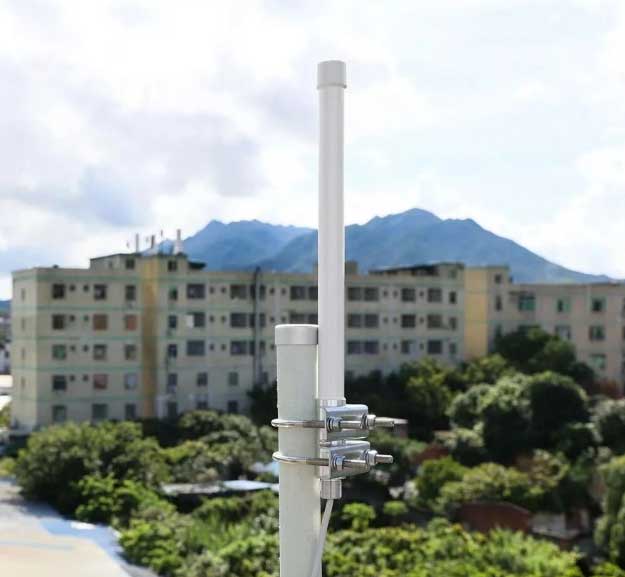
Fiberglass Antenna Performance Guide
Fiberglass Antenna Performance Guide provides a detailed look at how fiberglass antennas deliver reliable, long-lasting RF performance in demanding outdoor environments. This guide explains their key advantages, design considerations, and best-fit applications.
Table of Contents
- Introduction
- Common Operating Frequencies and Their Applications
- Part of the Fiberglass Antenna Performance Guide
- Key Functional Advantages in the Fiberglass Antenna Performance Guide
- Exceptional Performance Delivers Superior Experience
- Highlighting Advantages Through Comparison
- Selection and Application Guidelines
- Conclusion
Introduction
Fiberglass antennas are made from glass fiber reinforced plastic. This material is not merely a mix of glass and metal. It is a composite made from glass fibers and resins formed through specialized molding processes, resulting in exceptional strength and durability.
Among these, SMC (Sheet Molding Compound) material is widely used in the production of fiberglass antennas. SMC material offers excellent insulation, corrosion resistance, and heat resistance. Antenna housings made from it effectively shield the internal metal radiators from external environmental impacts.
Even under harsh conditions such as high temperatures, humidity, or acidic/alkaline environments, fiberglass antennas maintain stable performance—a significant advantage over traditional metal antennas.
Common Operating Frequencies and Their Applications
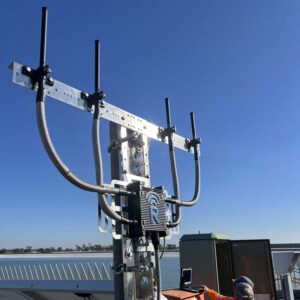
Fiberglass antennas operate across a broad frequency spectrum, with distinct applications for each band.
The 2.4GHz band, familiar to many, is widely used in WiFi communications. Fiberglass antennas operating at 2.4GHz enable wireless network coverage in homes and businesses, delivering convenient high-speed internet access anytime, anywhere.
The 5.8GHz band excels in security surveillance applications. With relatively low interference and high transmission rates, it ensures clear and smooth surveillance footage, providing robust technical support for security measures.
The 470-510MHz frequency band is primarily used for broadcasting television signals. In remote areas, installing fiberglass antennas operating within this band enables reception of clear television signals, enriching cultural life. Additionally, this band is also used in certain IoT communication scenarios.
Part of the Fiberglass Antenna Performance Guide
Frequency is a critical factor affecting antenna performance, closely related to signal transmission distance, penetration capability, and interference resistance.
Generally, high-frequency signals are suitable for short-range, high-speed transmission. For example, the 5.8GHz frequency has a shorter wavelength, resulting in better signal directionality and faster transmission rates. However, it has weaker penetration capability, is easily affected by obstacles, and has a relatively short transmission distance.
Conversely, low-frequency signals travel farther but at slower speeds, and generally provide better penetration performance. Frequencies like 470-510MHz possess longer wavelengths, enabling them to bypass certain obstacles and offering stronger penetration capabilities. This makes them suitable for long-distance signal coverage, though data transmission rates are comparatively lower.
Key Functional Advantages in the Fiberglass Antenna Performance Guide
Signal Reception and Transmission
The fundamental function of fiberglass antennas is to receive and transmit various types of signals. Through internal metallic radiators, they convert electrical signals into electromagnetic waves for transmission while simultaneously converting received electromagnetic waves back into electrical signals, enabling seamless information exchange.
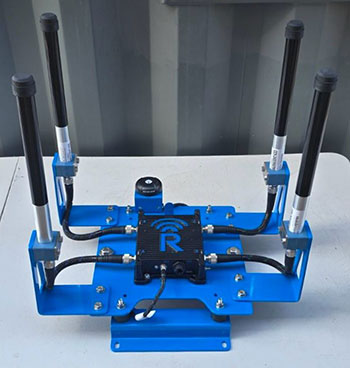
In satellite communications, fiberglass antennas precisely capture signals from satellites and relay ground signals to satellites, establishing long-distance communication links. In base station communications, they expand signal coverage and enhance communication quality. For drone communications, FRP antennas ensure real-time data transmission between drones and ground control centers, guaranteeing stable flight operations.
Performance in Harsh Environments
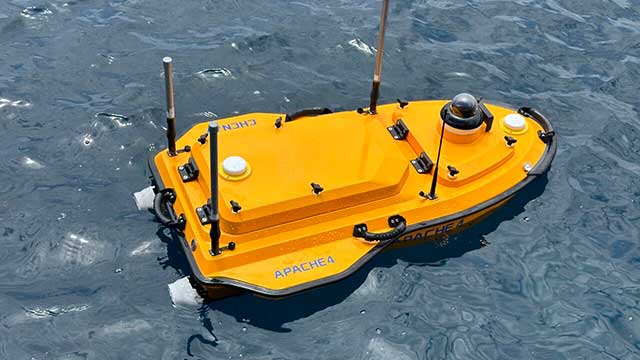
The superiority of FRP antennas is particularly evident in challenging settings like coastal areas and chemical plants. High humidity and salt spray in coastal regions rapidly corrode metal antennas, whereas the corrosion-resistant properties of fiberglass antennas effectively prevent such degradation, ensuring stable communication performance.
In chemical plants, airborne corrosive gases and dust can easily damage traditional antennas. Fiberglass antennas, however, leverage their superior material properties to operate stably for extended periods in such environments, providing reliable communication support for production scheduling and safety monitoring.
Exceptional Performance Delivers Superior Experience
High Gain and Long-Range Transmission
High gain is one of the major advantages of FRP antennas. It reflects the antenna’s ability to concentrate radiated or received energy in a specific direction. Higher gain enhances signal strength in targeted directions, enabling transmission over greater distances.
In remote areas such as mountains and deserts, high-gain FRP antennas concentrate limited signal energy to overcome terrain-induced losses, enabling long-distance and reliable communication coverage.
Stability and Reliability
FRP antennas maintain stable operation even in complex climatic and electromagnetic environments, fully demonstrating their reliability. Whether facing torrential storms, extreme heat, or intense electromagnetic interference, they continue operating reliably, ensuring uninterrupted signal transmission.
For instance, during thunderstorms, the excellent insulation properties of FRP antennas minimize the impact of lightning strikes. In environments crowded with electromagnetic devices, their interference resistance effectively filters out noise, guaranteeing clear and stable communication signals.
Highlighting Advantages Through Comparison
Performance Differences Compared to Metal Antennas
Compared to metal antennas, fiberglass antennas offer distinct advantages in multiple aspects. Regarding corrosion resistance, metal antennas are prone to rust and corrosion in harsh environments, resulting in shorter lifespans, while fiberglass antennas maintain optimal performance over extended periods.
In terms of weight, fiberglass antennas are lightweight, facilitating easier installation and transportation. This advantage is particularly pronounced in scenarios with strict weight constraints, such as drones and satellite communication equipment.
In terms of signal transmission performance, FRP antennas offer more controllable gain and directionality, enabling optimized signal transmission based on specific requirements. Although the initial manufacturing cost of FRP antennas may be slightly higher, their extended service life and lower maintenance costs result in superior overall cost-effectiveness.
FRP Antennas vs. Other Antenna Technologies
Compared to PCB antennas, PCB antennas are compact and low-cost, making them suitable for small electronic devices. However, they have limited signal transmission range and lower gain. Fiberglass antennas, on the other hand, are better suited for outdoor long-distance communication scenarios, providing stronger signals and more stable transmission.
Spring antennas, while flexible, exhibit relatively weaker gain and interference resistance, making them primarily used in portable devices with less stringent communication requirements. For scenarios demanding high signal strength and stability—such as base station communications or broadcast television transmission—fiberglass antennas represent a superior choice.
Selection and Application Guidelines
How to Select the Right Fiberglass Antenna for Your Needs
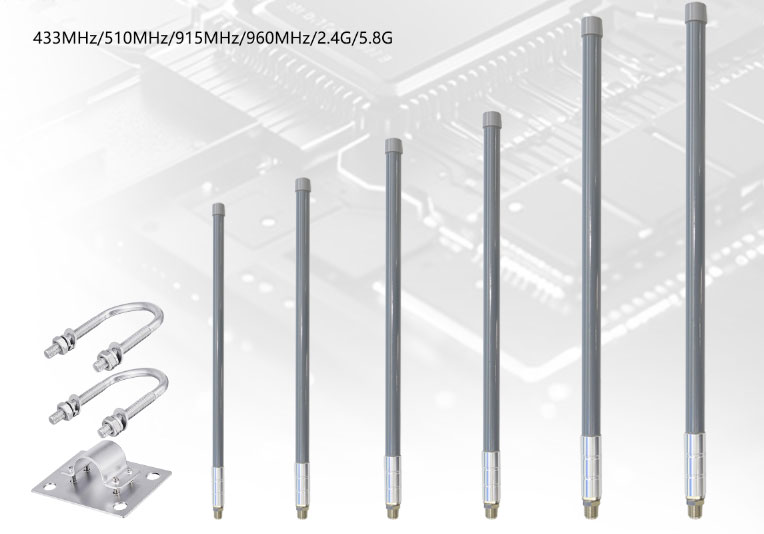
When selecting a fiberglass antenna, first consider the operating frequency. Choose the corresponding frequency based on the specific communication system to ensure compatibility. Second, gain is a crucial factor: high-gain antennas are needed for long-distance communication, while low-gain antennas suffice for short-range coverage.
Polarization is also an important factor, as different orientations suit distinct scenarios—vertical polarization for terrestrial communications and horizontal polarization for satellite communications, for instance. Additionally, ensure the interface type matches the communication equipment to prevent connectivity issues.
Key Installation and Maintenance Points for Practical Applications
When selecting an installation location, avoid obstacles whenever possible and choose an elevated position to ensure unobstructed signal propagation. Follow standardized installation methods to securely fasten the antenna, preventing wind-induced movement or structural damage.
For routine maintenance, regularly inspect the antenna’s exterior for damage or deformation. Clean accumulated dust or debris from the antenna surface to prevent performance degradation.
Conclusion
Fiberglass antennas deliver a powerful combination of durability, long-distance performance, and environmental resilience. Whether deployed in remote regions, industrial facilities, or outdoor communication networks, FRP antennas ensure stable and high-quality signal transmission. With proper selection and installation, they provide a cost-effective and long-lasting solution for a wide range of wireless applications.